

You’ve got land, a list of jobs to do, and about a hundred tractor options staring back at you online. Sub-compact, compact, utility, and that’s before you get to horsepower ratings, attachment compatibility, and brand debates on every farm forum you visit.
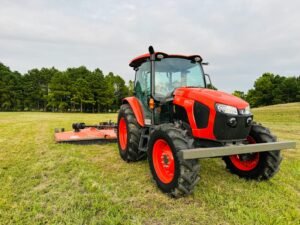
Here’s what most of those forums won’t tell you: the majority of first-time buyers get this wrong. Not because they didn’t do research, but because they researched the wrong things first.
By the end of this guide, you’ll know exactly what size tractor fits your farm, what tasks it should handle, and which attachments actually do the work. No spec sheets. No brand wars. Just practical direction so you buy the right machine the first time.
Quick Summary
- Best for: Beginner farmers and homesteaders on 1–10 acres who want clear, practical guidance before buying
- Watch out for: Buying too much horsepower, skipping the attachments budget, and choosing brand over dealer support
- Verdict: A 25–45 hp compact tractor handles the vast majority of small-farm operations. Match the size to your hardest job, not your wish list
What We Learned from Small Farmers
We spoke with dozens of small-farm owners who bought their first tractor in the last five years. The single most common regret: buying a 60-hp utility tractor for a 5-acre property because it felt like the smart long-term investment. That machine spent most of its time in a barn too big to maneuver comfortably, too expensive to run for simple mowing. Size matters more than raw power on small land.
What Is a Tractor for Small Farms and How Is It Different?
A small-farm tractor is a compact to mid-size machine in the 15–50 hp range, designed for properties under 50 acres. It’s built to handle multiple jobs: mowing, tilling, hauling, lifting, and running implements off a PTO (power take-off, the rotating shaft that drives attachments like tillers, mowers, and augers).
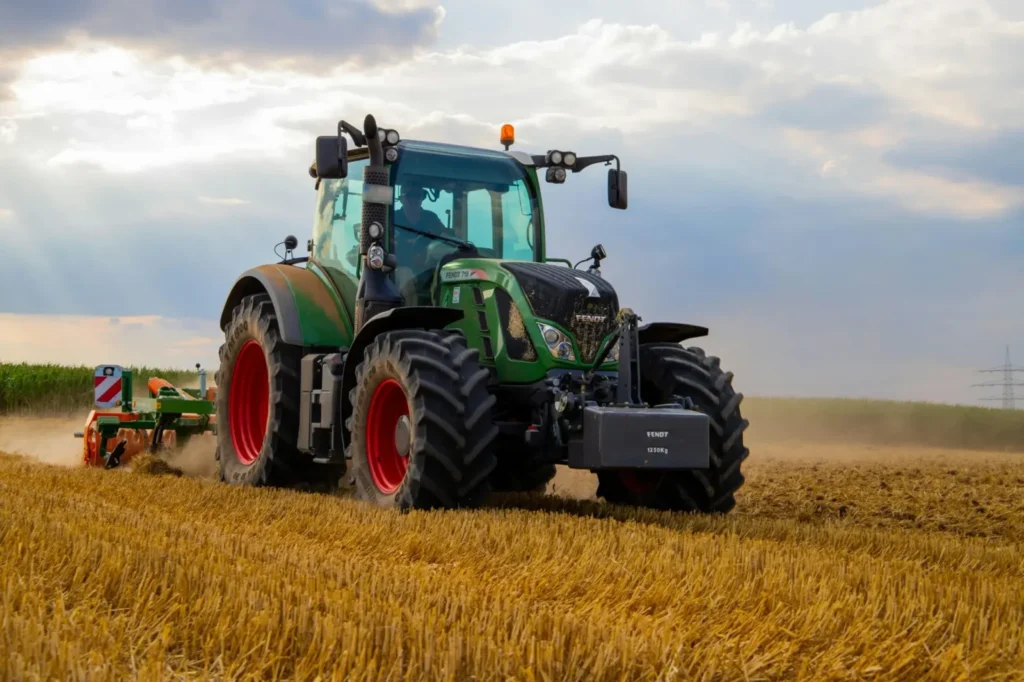
Large farm tractors in the 100–400 hp range are built for scale, covering hundreds of acres fast. On a 5-acre homestead, that machine is expensive to buy, expensive to run, and physically awkward in tight terrain. You can’t get it close to a fence line or turn it around in a small paddock.
For small farms, maneuverability and the right implement fit matter more than raw horsepower. A 25-hp compact that works your land beats a 100-hp machine that can’t get to where the jobs are.
Types of Tractors for Small Farms
You don’t need to memorize every tractor category, just these three. For a deeper breakdown of how each type works and what it’s built for, see our full guide to types of tractors explained.
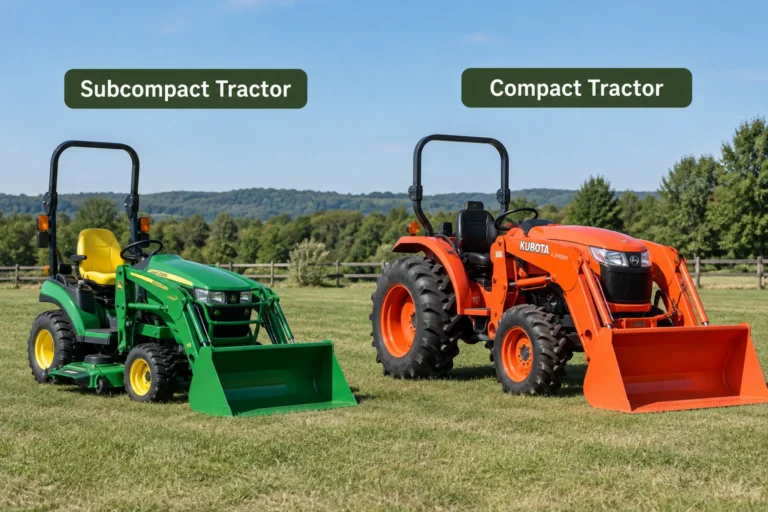
Sub-Compact Tractors (Under 25 hp)
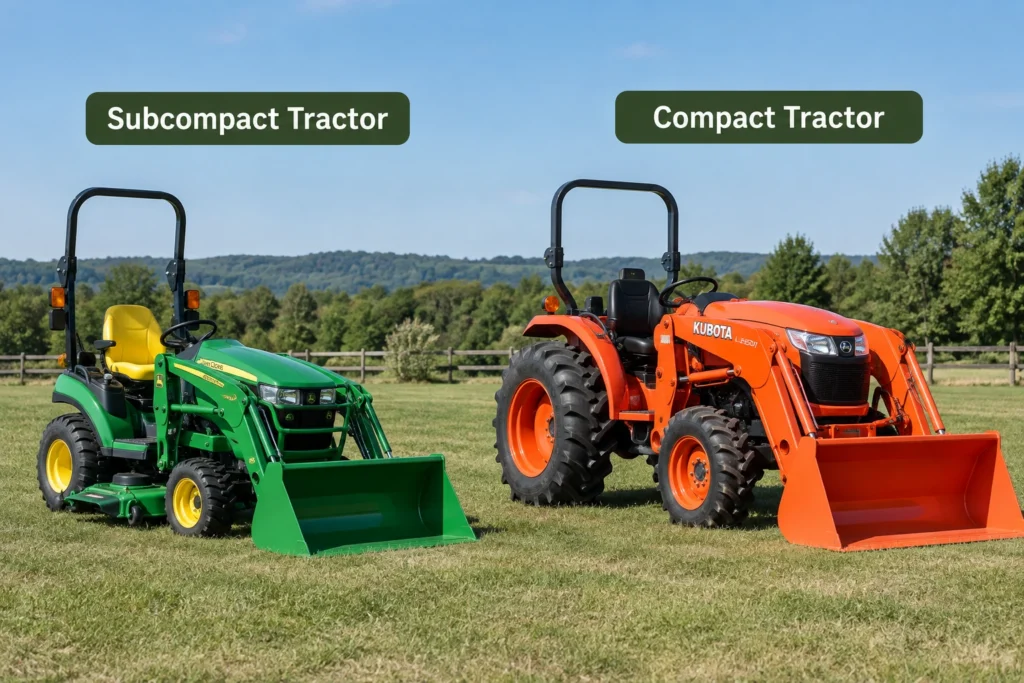
Sub-compacts are the smallest full-featured tractors on the market. They’re designed for properties under 5 acres and tight working spaces, orchard rows, backyard homesteads, and small vegetable plots. Light enough to be gentle on turf, small enough to fit in a standard garage. If you’re mostly mowing, doing light tilling, and moving occasional small loads, this is your entry point.
Compact Tractors (25–45 hp)
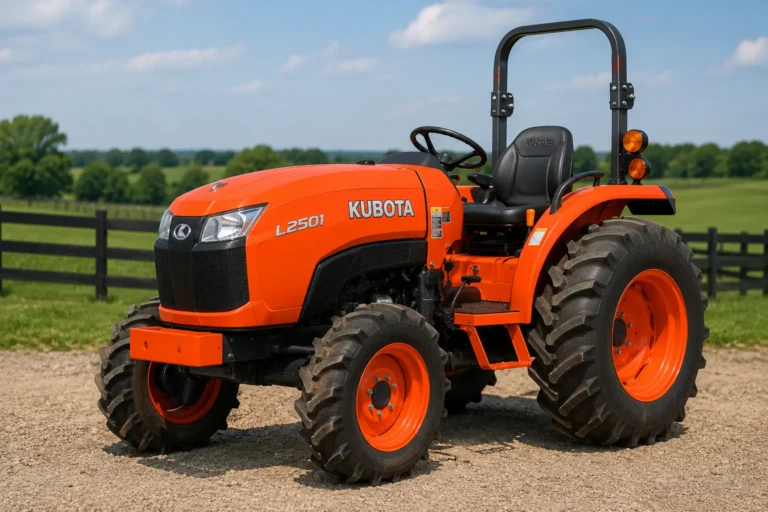
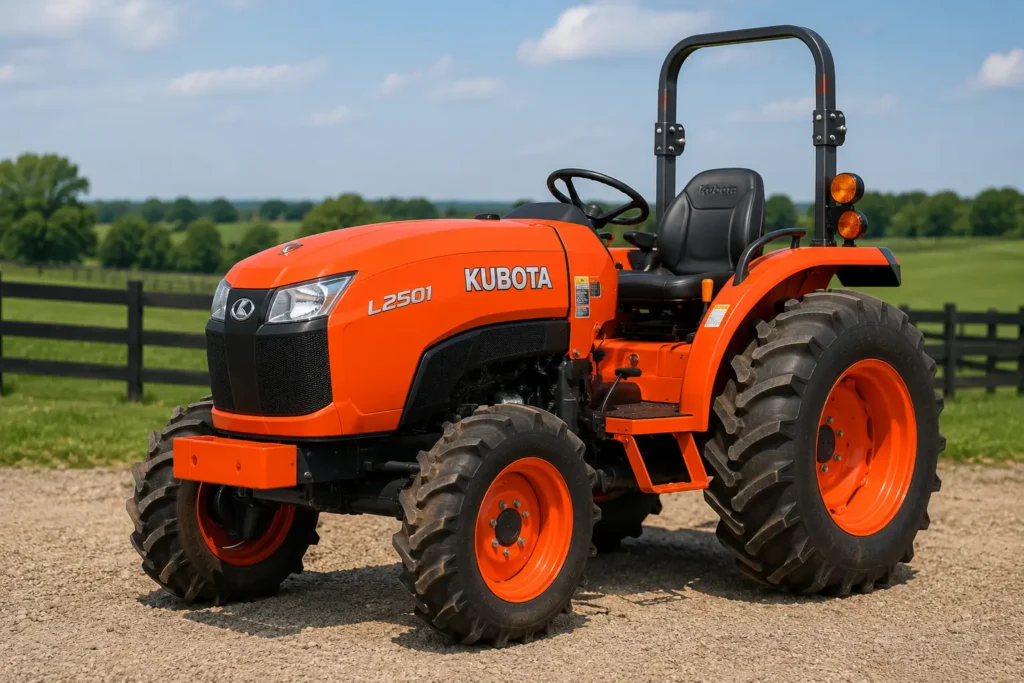
Compact tractors are the most common choice for small farms in the 3–20 acre range. They handle a front-end loader, a mid-mount mower, a rear tiller, and a box blade without breaking a sweat, versatile enough for most jobs a small farm throws at them. Most first-time buyers who do a mix of tasks end up here. See our guide to compact tractors for small farms for model-level comparisons.
Utility Tractors (45–100 hp)
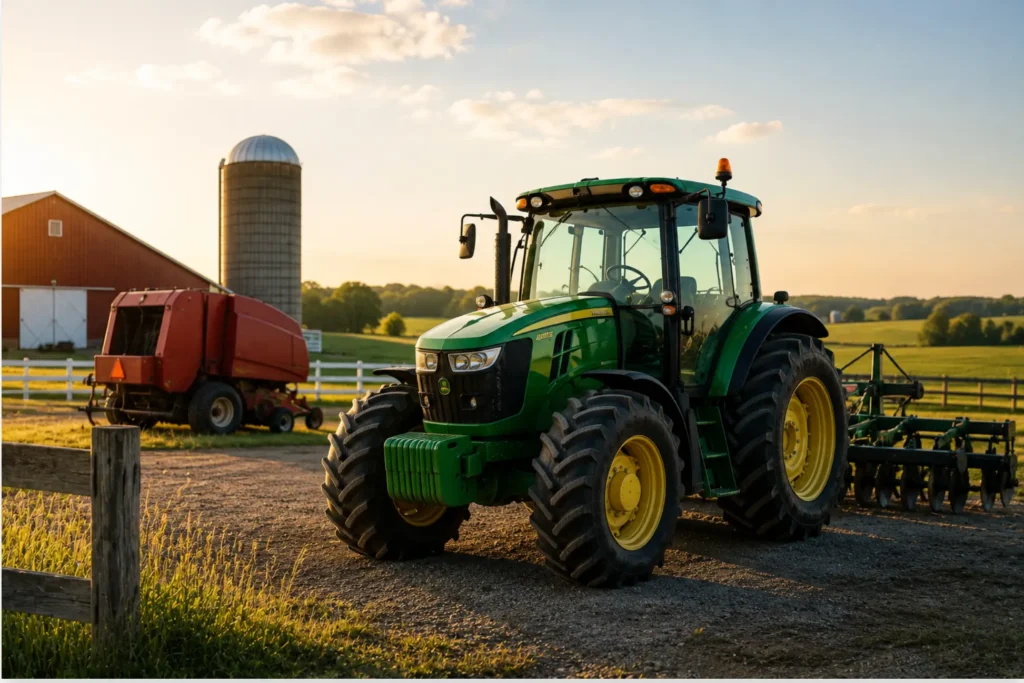
Utility tractors are built for larger operations, typically 20–100 acres, and heavier-duty work like baling hay, running large-width tillers, or pulling heavy wagons. For most beginner homesteaders and small-scale farmers, it’s more machine than they need. The purchase price, operating costs, and physical size all reflect that.
How to Know Which Tractor to Get for Your Small Farm
Most people start tractor shopping by comparing horsepower numbers. That’s actually the last thing you should look at. Work through these three steps first.
Step 1: Start with Your Land Size
Land size sets the floor on your tractor decision, not the ceiling. A 3-acre property doesn’t need 60 hp. A 15-acre operation running hay production might. Use acreage as your first filter, then let your specific tasks tell you what you actually need.
Step 2: List Your Actual Jobs
Before you look at a single model, write down every job you plan to do in a year. Be specific. Most small farms fall into one or more of these categories:
- Mowing: Finish mowing, brush mowing, or pasture maintenance. The most common job and the easiest on a small tractor.
- Tilling: Garden beds, cover crop incorporation, pasture renovation. Requires real PTO horsepower; this is where underpowered sub-compacts hit their limit.
- Hauling and lifting: Moving compost, topsoil, feed, or hay with a front-end loader. Loader capacity depends on tractor weight and hydraulic flow, not just engine hp.
- Heavy brush and land clearing: In many cases, a dedicated walk-behind brush mower handles fence lines and overgrown edges better and cheaper than a tractor attachment. Worth comparing before you buy.
Step 3: Factor in the Full Budget
The sticker price is not your total cost. Before you fall in love with a model, add up:
- The tractor – new or used (more on that below)
- A front-end loader, if it doesn’t come included, often costs $2,000–$4,000 extra
- 2–3 key implements: tiller, mower, box blade
- Delivery, setup, and first-year service
A $15,000 compact with no attachments is less useful than a $10,000 compact with a loader and tiller already on it. Budget the full package before committing to a brand or model.
What Size Tractor Do You Actually Need?
There’s no universal answer, but there’s a reliable framework. Size comes down to three things: your workload, your terrain, and your hardest specific task.
Rough terrain demands better traction and ground clearance, which means more machine. Heavy tilling or regular loader work demands more hydraulic capacity and PTO power. Mowing a flat 3-acre lawn? A sub-compact handles it fine.
The simplest test: what’s the hardest single job this tractor will have to do on your worst terrain? Size for that. Everything else will be easy.
Tractors for Specific Acreages
What Size Tractor for 5 Acres?
For most 5-acre operations, a sub-compact or compact in the 20–35 hp range is the right call. Sub-compacts work well if your tasks are light mowing, small-bed tilling, and moving light loads. Step up to a compact if you’re running a front-end loader regularly, tilling larger areas, or dealing with any meaningful brushwork.
Best for 5 acres: Sub-compact (15–25 hp) for light tasks on flat land. Compact (25–35 hp) if loader work and heavier tilling are regular jobs.
What Size Tractor for 10 Acres?
At 10 acres, your workload matters more than the number itself. If you’re mowing pasture, maintaining fence lines, and doing light hauling, a 35-hp compact handles it comfortably. If you’re running a market garden, managing cover crops, and doing regular loader and tiller work, a 40–50 hp compact or small utility is a better fit.
Best for 10 acres: A 35–50 hp compact covers most 10-acre operations. Move to the upper end if your tasks are heavy or the terrain is rough.
Which Tractor Is Best for Small Farmers?
There is no single best tractor for small farms. The right machine depends entirely on your land, your tasks, and your budget. But some factors matter more than brand name, and most first-time buyers don’t find this out until after they’ve already bought.
Dealer Proximity: The Factor Most Buyers Ignore
Your nearest dealer matters more than your preferred brand. Here’s why: a tractor that needs a part in the middle of spring planting season is useless if the dealer is 90 miles away and backed up three weeks. The brand with the best local support often beats the “better” brand with no local presence.
Before you commit to a model, drive to the dealership. See how the service department runs. Ask how long parts typically take. That conversation will tell you more than any spec sheet.
The dealer test
Ask the service manager: ‘If my tractor needs a repair in late April, what’s your typical turnaround?’ If they hesitate or give a vague answer, that’s your answer. Spring is when every tractor in the county breaks down at the same time.
New vs. Used: What the Math Actually Says
A clean used tractor with 500–800 hours on it from a reputable dealer is often the smartest purchase a first-time small-farm owner can make. Here’s the case for each side:
- New tractor: Full warranty, zero surprises, current technology. Higher price, steeper depreciation in the first 3 years. Right choice if you’re running it hard from day one and want no maintenance unknowns.
- Used tractor (500–1,500 hours): Significant price savings often 30–50% less than new for a 3–7 year old machine. The original owner absorbed the depreciation hit. Risk: you inherit any deferred maintenance. Have a mechanic inspect it before you buy.
- Used tractor (1,500+ hours): Proceed with caution. Not necessarily bad, a well-maintained tractor at 2,000 hours beats a neglected one at 400 hours. But get a full service history and budget for upcoming maintenance items.
Resale Value: What Holds and What Doesn’t
If there’s any chance you’ll upgrade in 5–10 years, resale value matters. The brands with the strongest dealer networks and widest name recognition, Kubota and John Deere among them, typically hold value better than lesser-known imports. Kioti and New Holland Agriculture also hold reasonably well in most markets.
Generic import tractors can be a good value new, but they often take a steep resale hit. If resale is part of your calculus, stick with brands that have a strong local dealer presence in your region.
Brand Names Worth Knowing
John Deere, Kubota, Kioti, and Mason Ferguson are the names you’ll encounter most often in the small-farm segment. Each has its strengths in price positioning, dealer density, and parts availability. We compare them directly in our best tractor for small farm guide, including which makes the most sense at different price points and acreages.
Essential Tractor Implements for Small Farms
A tractor without implements is a very expensive way to move slowly across your field. The machine is the platform that implements the actual work. These four are the ones you’ll use most. Our full tractor implements for small farms guide covers attachment selection and sizing in detail.
Front-End Loader
The most-used implement on any small farm. Moves compost, gravel, topsoil, manure, and anything else that needs to go from point A to point B. If your tractor doesn’t come with a loader, budget for one upfront; adding it later almost always costs more, and some models require a factory-matched loader for proper hydraulic integration.
Mower (Finish or Bush Hog)
A finish mower handles lawns and manages pasture. A bush hog (rotary cutter) handles rough grass, weeds, and light brush. Most small farms need one of each eventually. The bush hog is the workhorse; it mows what the finish mower would choke on in 30 seconds.
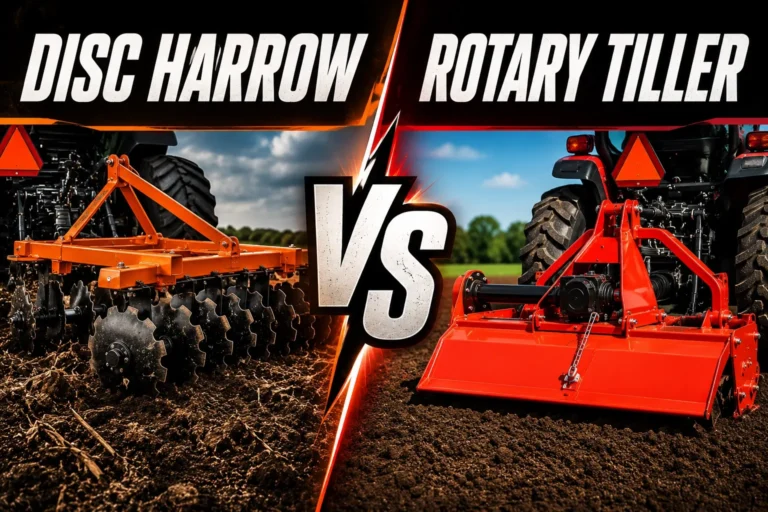
Tiller
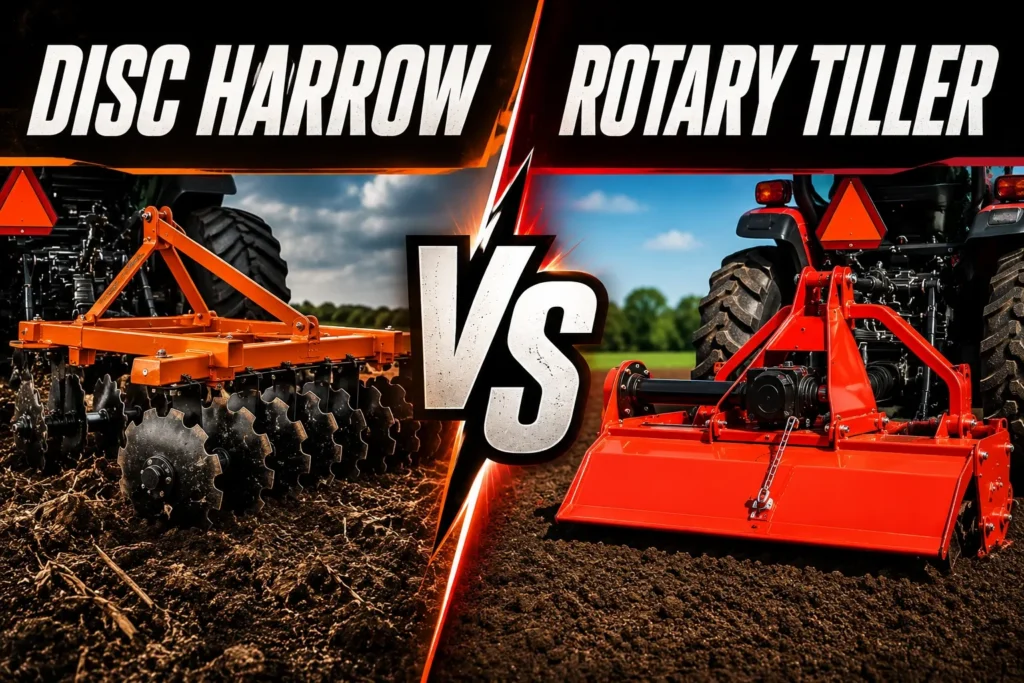
Runs off the PTO and breaks up soil for planting, cover crop incorporation, or pasture renovation. If you’re growing vegetables or managing a market garden, a rear-tine tiller is non-negotiable. Match the tiller width to your tractor’s PTO horsepower. An underpowered tractor pulling an oversized tiller will stall, slip belts, and wear prematurely.
Box Blade or Rear Blade
The unsung workhorse of small-farm maintenance. A box blade grades driveways, moves gravel, fills ruts, and levels ground faster than any hand tool. If you have a gravel road or driveway, you’ll use this every spring. One of the least glamorous implements and one of the most consistently used.
Quick Decision Guide: Which Tractor Size Fits Your Farm?
Use this as your starting point, then adjust it if your terrain is rough or your tasks are consistently heavy.
|
Land Size |
Recommended Type |
Horsepower Range |
Typical Tasks |
|
Under 3 acres |
Sub-compact |
15–25 hp |
Mowing, light tilling, and small loader work |
|
3–10 acres |
Compact |
25–45 hp |
Loader work, tilling, bush hogging, hauling |
|
10–20 acres |
Compact or small utility |
35–55 hp |
Heavy tilling, hay work, full loader operations |
|
Heavy workload on any size |
Utility |
45–100 hp |
Baling, large-area tilling, and serious hauling |
|
VERDICT The rule: buy the smallest tractor that handles your hardest job on your worst terrain. That machine will handle everything else with room to spare. |
Common Mistakes First-Time Tractor Buyers Make
These three mistakes account for the majority of buyer regret in the small-farm tractor market. Knowing them up front saves you real money.
-
Buying Too Much Horsepower
It feels like future-proofing. It usually isn’t. A 60-hp tractor on a 5-acre property is hard to maneuver, burns more fuel per hour, and costs significantly more upfront than a compact that does the same jobs better in that space. Buy for what your land and your tasks actually require, not for a hypothetical expansion that may never happen.
-
Ignoring the Attachments Budget
A bare tractor is about as useful as a truck with no bed. The implements, loader, mower, tiller, and box blade are what actually run your farm. It’s common for new buyers to stretch their budget on the tractor itself and have nothing left for attachments. Then the machine sits in the barn doing nothing useful while they save up.
Budget the full package before you shop. If you can’t afford the tractor plus a loader and at least one implement, you’re looking at the wrong tractor.
-
Choosing Brand Over Dealer
Brand loyalty makes sense for products you service yourself. Tractors need dealer support, especially in your first couple of years when you’re still learning the machine. A well-supported Kioti or New Holland with a dealer 10 miles away will serve you better than a John Deere with the nearest dealer 80 miles out. Check dealer proximity before you check the brand logo.
Frequently Asked Questions
These are the questions new buyers search for most. Each answer is written to get you to a decision, not to keep you reading.
How do I know which tractor to get for my small farm?
Start with your hardest job on your most difficult terrain size for that. List every task you need the tractor to handle in a year. Identify the heaviest and most demanding ones. Then verify the machine fits your land physically; a tractor that’s too large to maneuver is one you won’t use. Compact tractors in the 25–45 hp range handle the widest variety of small-farm tasks. See our ” How to choose a tractor for small farms guide for a full decision framework.
What size tractor do I actually need?
For 1–3 acres with light tasks: sub-compact (15–25 hp). For 3–10 acres with a full range of jobs, including loader work and tilling: compact (25-45 hp). For 10+ acres or heavy-duty work like baling and large-scale tilling: small utility (45-60 hp). Rough terrain can push you up one tier regardless of acreage. A steep, rocky 5 acres demands more than a flat 10 acres.
What size tractor is best for 5 acres?
A compact tractor in the 25–35 hp range handles most 5-acre operations. Sub-compacts work if the land is flat and tasks are light. If you’re doing regular loader work, tilling a vegetable garden, or managing uneven terrain, step up to a compact.
What size tractor is best for 10 acres?
A 35–50 hp compact tractor covers most 10-acre small farms comfortably. For light operations, mostly mowing and occasional hauling, 30–35 hp is enough. For heavy tilling, regular loader work, or rough terrain, move to 45–50 hp.
Is it better to buy a new or used tractor for a small farm?
For most first-time buyers on a limited budget, a clean used tractor with 500–1,000 hours is the smart move. You get a proven machine at 30–50% below the new price, and the original owner absorbed the depreciation. If budget allows and you want zero surprises in year one, new makes sense, especially with current financing rates from major dealers. Either way: have a mechanic inspect a used machine before you buy, and check service history.
The Bottom Line
Buying a tractor for a small farm doesn’t need to be complicated, but it does require a few honest decisions before you start shopping.
- Know your land size and terrain
- List your hardest jobs
- Budget the full package tractor plus implements
- Find the best dealer in your area before you find the best brand
- Buy the smallest machine that handles your hardest task
Once you’ve got your size range narrowed down, these guides will help you go deeper: compact tractors for small farms, sub-compact vs. compact tractors, tractor implements for small farms, and the best tractor for small farms. Use them after you’ve completed the steps above, not before. The order matters.