

Most small farmers don’t realize this until it’s too late. They either over-till with a rototiller and end up with compacted hardpan beneath the surface, or they invest in a plow that their tractor simply can’t handle. Both mistakes cost real money, and worse, they cost growing seasons.
After reviewing dozens of farmer discussions, equipment guides, and real-world case studies, one question keeps coming up: Plow vs Rototiller. Not because it’s complicated, but because the answer genuinely depends on your land, your crops, and your budget, and most online advice ignores that entirely.
Here’s what this guide will walk you through: the true difference between both tools, how each one affects your soil long-term, what they actually cost to run, and which one makes sense for your specific situation.
Plow vs Rototiller: Quick Answer
The main difference between a plow and a rototiller is how they prepare soil.
A plow turns and breaks deeper soil layers, making it better for large farms and hard ground. A rototiller mixes and loosens the topsoil, making it ideal for small farms and vegetable gardening.
Choose a Plow if:
- You’re working on new or compacted land
- Your farm is 10+ acres
- You need deep soil turning
- You have a higher-horsepower tractor
Choose a Rototiller if:
- You farm under 10 acres
- You grow vegetables or soft crops
- Your soil is already loose or previously worked
- You want a beginner-friendly tool
Plow vs Rototiller: Side-by-Side Comparison
| Feature | Rototiller | Plow |
| Soil Depth | Shallow (4–8 inches) | Deep (8–12+ inches) |
| Best For | Small farms, gardens, soft soil | Large farms, hard/virgin soil |
| Weed Control | Can spread weeds | Buries weeds effectively |
| Speed | Slower on large land | Faster for large acreage |
| Tractor Requirement | Low to medium HP | Medium to high HP |
| Soil Structure | Can overwork the soil | Preserves structure better |
| Fuel Efficiency | Less efficient for large jobs | More efficient for big areas |
| Learning Curve | Beginner-friendly | Slightly harder to master |
| Long-Term Use | Best for maintenance | Best for land preparation |
Understand the Major Differences
The major difference between a rototiller vs plow for small farms is in soil mixing and inversion. This
distinction impacts weed control, soil biology, long-term structure, and fuel use.
What is a Plow?
On small farms, a plow is used to deeply cut into the soil by flipping it over in sections. Moldboard plows are most commonly used for burying residue, weeds, surface debris, and inverting soil layers. In fact, reports suggest that in 2025, the plow market size was $1.12 billion, and in 2026, it’s going to be $1.18 billion.
What is a Rototiller
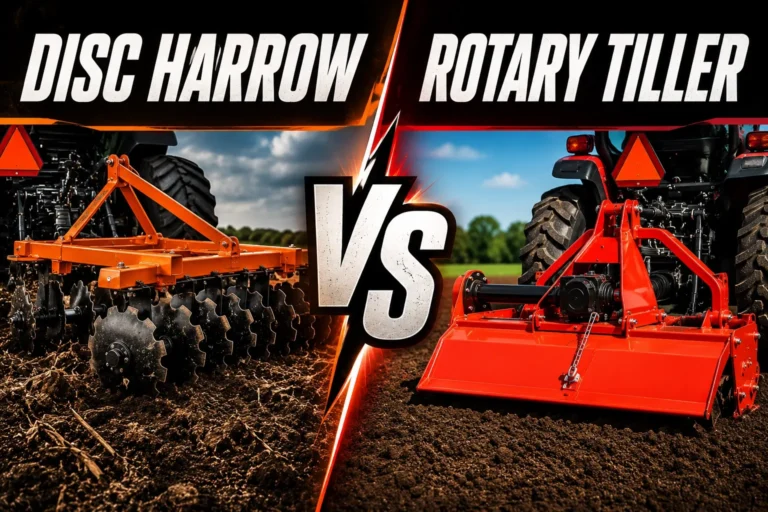
A rototiller chops and blends the top 4-8 inches of soil, using spinning tires powered by a PTO shaft to break and mix the soil into a fine seedbed. As demand for efficient soil preparation continues to rise, this industry is expected to grow at a CAGR of 6.5% between 2026 and 2034.
If you’re considering adding one to your setup, you can check out this detailed guide on the best rototillers for small farms under $1,000, where different models are compared based on performance, durability, and value.
Plow vs Rototiller: Key Differences
When comparing a plow vs rototiller for small farms, the most important factor isn’t convenience; it’s how each tool affects your soil over time. Your choice directly impacts soil structure, drainage, and long-term productivity.
Soil Depth
A rototiller works the top 4–8 inches of soil, making it ideal for planting and maintenance. A plow goes much deeper (8–12+ inches), which is necessary when breaking new ground or improving soil structure.
Weed Control
Rototillers tend to chop and spread weeds, which can sometimes make the problem worse. Plows, on the other hand, bury weeds beneath the surface, making them more effective for heavy weed control.
Speed & Efficiency
For small plots, a rototiller is manageable and precise. But on larger land, it becomes slow and fuel-intensive. A plow covers more ground in less time, making it more efficient for scaling operations.
Costs Over Time
Rototillers are cheaper upfront but require more maintenance and fuel over time. Plows cost more initially but are more durable and cost-effective for long-term use on larger farms.
Long-Term Soil Impact
Overusing a rototiller can break down soil structure and lead to compaction beneath the surface. Plowing, when done properly, helps maintain better soil layering and can improve long-term soil health.
Comparing Equipment Cost
Whether you choose between a plow vs rototiller for small farms, your choice should protect your cash flow and reduce hidden expenses over time. Let’s take a look at the real-world cost factors that small operators experience:
Purchase Costs
The upfront pricing is usually the first consideration for small farmers. The initial purchase price of the plow is typically less. However, tractor compatibility also matters, and if your tractor isn’t suited, upgrading it could erase those initial savings.
A new 5-6 ft PTO Rototiller model will cost approximately $2249, requiring lower horsepower of between 25-40 HP.
In comparison, a new 2 or 3-bottom plow is estimated between $2800 to $4824 and needs 35-60 HP, depending on soil conditions.
Field and Operating Costs
Daily operating costs also separate short-term savings from long-term efficiency. Evaluate the total system cost when comparing a plow vs rototiller for small farms:
Rototillers consume higher fuel per acre and have multiple moving parts that require maintenance. The tines also wear out over time and need replacement.
Plows, on the other hand, emerge with a lower mechanical complexity. This tool has fewer components and requires an additional secondary tillage, like a harrow or disc. And, at least one follow-up pass, which adds time, labor, and fuel.
Crop Type Is Important
Your decision between plow vs rototiller for small farms should align with what you grow, how you plant, and how frequently you rotate fields. Matching equipment to the type of your crop reduces labor, improves yields, and also protects soil structure over time.
Vegetable and Intensive Crops – High-value vegetable farming demands a consistent soil texture and refined seedbeds. For carrots, lettuce, spinach, onions, and other shallow-rooted vegetables, small farms can count on rototillers as the best soil preparation method for small-scale farming.
These produce fine seedbeds and easier transplantation. Because these crops depend on even soil contact, the rototiller creates a smooth finish that can improve emergence rates. This tool’s efficiency is good news for farms focused on market gardening.
Field Crops and Grains – Soybeans, corn, wheat, and cover crops may perform well with plow-based systems, especially on larger acres. Plowing helps prepare larger fields; this is where the plow vs rototiller for small farms becomes crop-dependent rather than machine-dependent.
Long-Term Soil Sustainability
Small farmers must consider decades, not just seasons, before choosing equipment. You will notice the drainage.
What Repetitive Plowing Does
While deep inversion solves immediate problems, overusing it also creates new issues. Repetitive plowing increases erosion and decreases microbial diversity.
Annually, flipping soil layers exposes organic matter to rapid breakdown, leaving the soil more vulnerable to wind and water erosion.
So, occasional plowing resets the compacted ground, but the repeated disturbance also weakens the soil resilience.
Impact of Frequent Rototilling
Shallow tillage appears gentler, but frequent rototilling poses risks. It creates compaction layers and even breaks the soil structure, where, over time, a hardpan forms just below the tilled depth. This restricts root growth, water infiltration, and after rainfall, pulverized soil also becomes more prone to crusting.
Follow a Balance Approach
In practice, most small farmers don’t rely on just one tool; they combine different methods to protect soil health over time.
According to Farm Together, combining reduced tillage with crop rotation creates a more sustainable farming system. Reduced tillage minimizes soil disturbance and helps preserve structure, while crop rotation maintains nutrient balance and reduces pest pressure.
For small-scale farming, the most effective strategy is a moderate, balanced approach:
- Use a plow occasionally (every few years) to break compacted soil
- Rely on limited rototilling for routine soil preparation
- Incorporate cover crops to protect and enrich the soil
- Regularly add organic matter to improve fertility and structure
This approach allows you to get the benefits of both tools while avoiding the long-term damage that comes from overusing either one.
Speed & Labor: Which Saves You More Time?
Rototiller
- Slower for large areas
- Requires multiple passes for best results
- Easier physically, but time-consuming
Plow
- Covers large land quickly
- Requires fewer passes
- More efficient for scaling operations
Real-World Decision Framework
A rototiller vs plow for small farms decision should never be guesswork. Therefore, use this framework to match equipment to your long-term goals:
Identify Your Acreage – A rototiller will suffice for 2-10 acres of intensive vegetables. However, if you have 10-50 acres of mixed crops, consider a plow system. Smaller, high-value plots benefit from speed and precision.
Evaluate Soil Type – Sandy soil is rototiller-friendly, whereas a plow is better for heavy clay. Clay soil responds better to deeper inversion, especially with limited drainage.
Assess Weed Pressure – Weed’s history also matters. A rototiller is for light annual weeds, and a plow system for assessing perennial infestation.
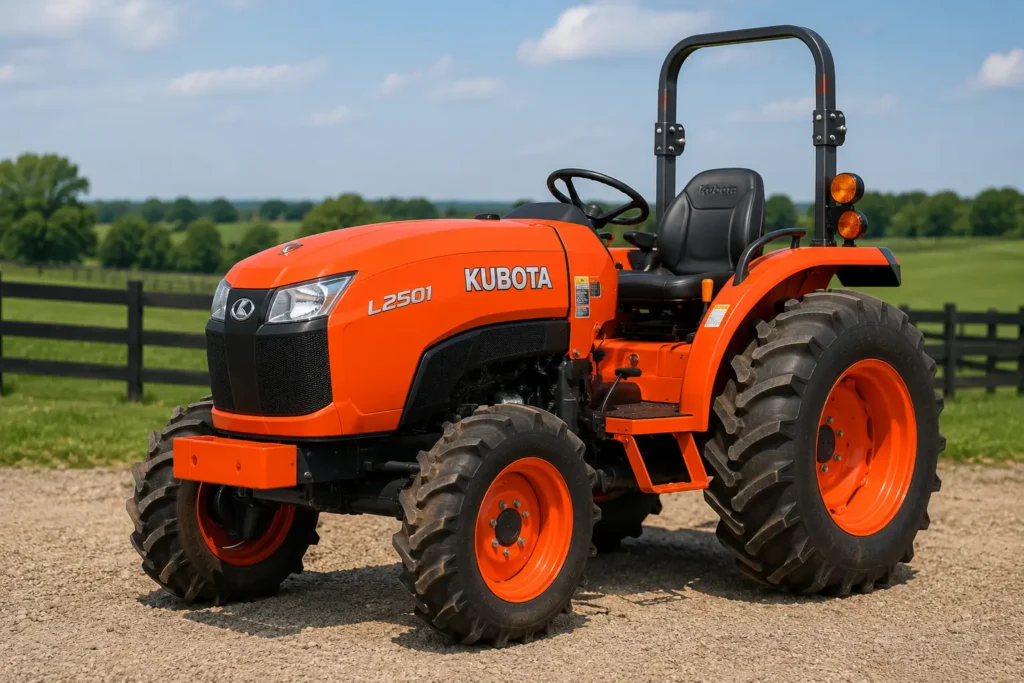
Budget Reality – If your tractor is under 30 HP, a plow may not suit you. The rototiller vs plow for small farms, the decision must match the tractor’s horsepower capacity.
Long-Term Plan – Purchase rototillers for building permanent beds and plows to rotate large fields annually.
Budget Planning for Small Farmers
Imagine a 15-acre diversified farm.
Option A – Rototiller System
- 6-ft tiller approximately $2,800
- Annual tine replacement estimated at $200
- Uses more fuel
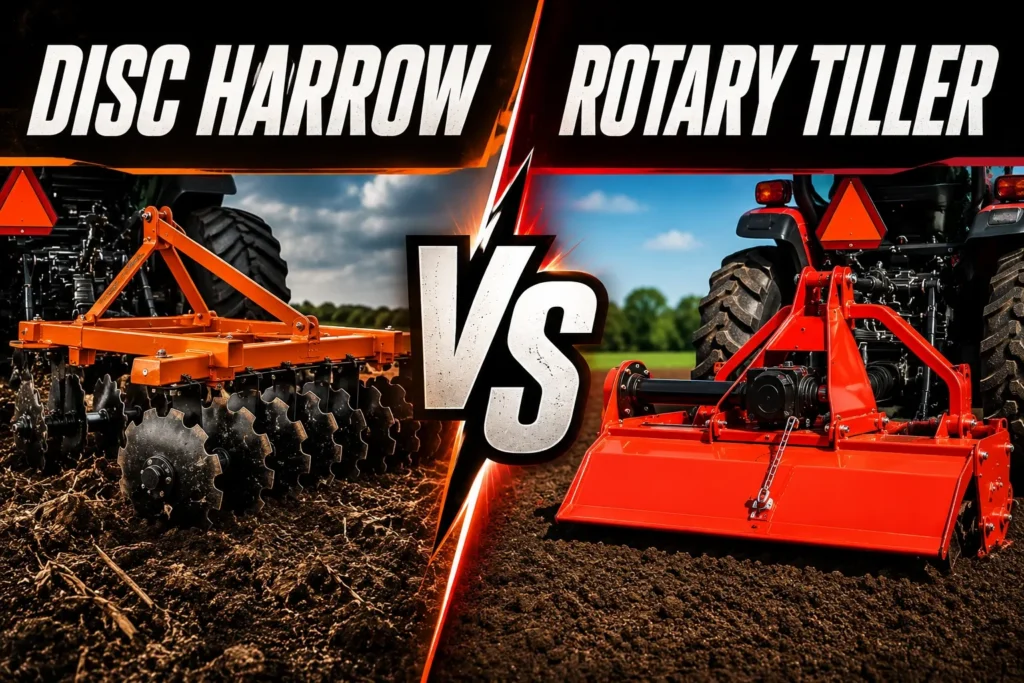
Option B – Plow with Disc
- 2-bottom plow estimated at $1,200
- Disc harrow costs approximately at $2,000
- It provides lower wear costs
When assessing plow vs rototiller for small farms, also look at:
1. The total implementation package
2. Compatibility of your tractor
3. Labor availability
4. Crop rotation plan
Which is Better: A Plow vs Rototiller for Small Farms?
There is no clear winner between a plow vs rototiller for small farms. Select a rototiller if your farm is under 10 acres, you focus on producing vegetables, and want a faster seedbed preparation.
However, if you manage a small farm and rotate field crops, go for a plow. The best soil preparation method for small-scale farming depends on the crop system, soil type, and budget.
Key Takeaways
- The right tool depends more on your farm size and soil condition than anything else
- Plows are built for power, while rototillers are designed for precision
- When starting on new or compacted land, a plow is usually the better first choice
- Long-term soil health matters more than short-term convenience
- Many small farmers get the best results by using both tools strategically
Frequently Asked Questions
Can a rototiller replace a plow?
No, a rototiller cannot fully replace a plow. Rototillers work the top layer of soil (4–8 inches), while plows break and turn deeper soil layers (8–12+ inches). If you’re working on new or compacted land, a plow is usually necessary before using a rototiller.
Do Small Farmers need both a plow and a rototiller
In many cases, yes. Small farmers often use a plow for initial soil preparation and a rototiller for ongoing maintenance. This combination helps improve soil structure while maintaining a fine seedbed.
Which is better for a beginner: a plow or a rototiller?
A rototiller is generally better for beginners because it is easier to operate and works well on already prepared soil. Plows require more experience and a higher-horsepower tractor.
Is a rototiller bad for soil?
A rototiller is not inherently bad, but overusing it can damage soil structure and create compaction beneath the surface. Using it in moderation and combining it with other practices helps maintain soil health.
What is the best option for a 5-acre farm?
For a 5-acre farm, especially for vegetables, a rototiller is usually sufficient. However, if the land is compacted or hasn’t been worked before, starting with a plow may be necessary.
Does plowing damage soil over time?
Excessive plowing can lead to erosion and loss of organic matter. However, occasional plowing can help reset compacted soil and improve structure when used properly.
Conclusion
There’s no single winner when it comes to choosing between a rototiller and a plow; it all comes down to how you farm.
If you’re managing a small plot, growing vegetables, or maintaining already-worked soil, a rototiller gives you the precision and ease you need. But if you’re dealing with new land, compacted soil, or larger acreage, a plow is the better tool for long-term efficiency and soil preparation.
The key is not just choosing one tool, but understanding how each fits into your overall farming system. Many small farmers get the best results by combining both using a plow when needed and relying on a rototiller for regular maintenance.
At the end of the day, your decision should be based on your land, your crops, your tractor, and your long-term goals, not just convenience. If you want to explore more tools that can improve your farm setup, check out our guide on seed drill vs broadcast spreader, where we break down which option works best for small farms and different planting methods.