How to Choose the Right Walk-Behind Brush Mower for Your Farm
Most beginners overthink the horsepower number and underthink everything else. Here’s how to actually match a machine to your situation.
Walk-Behind vs. Flail vs. Tow-Behind
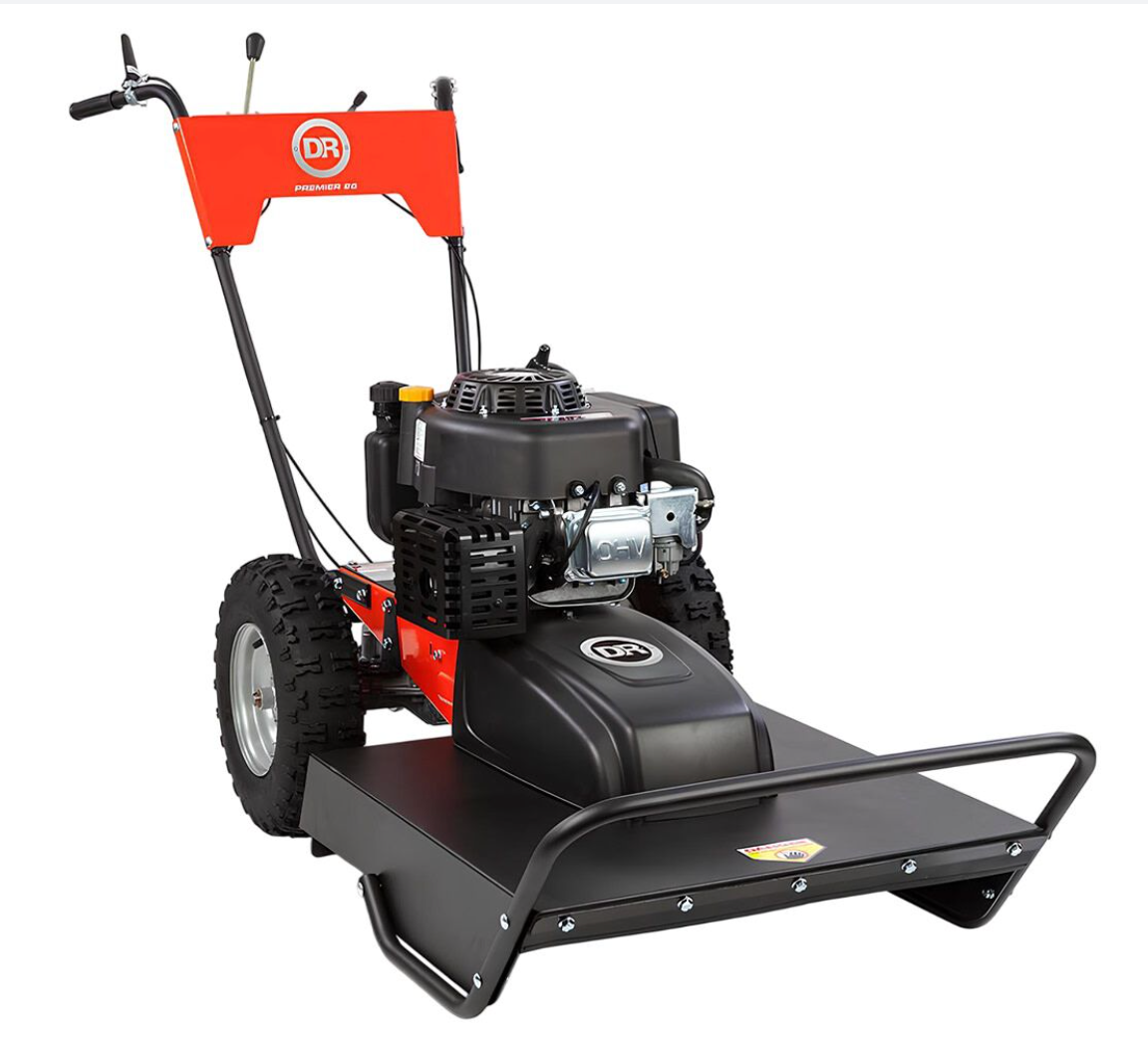
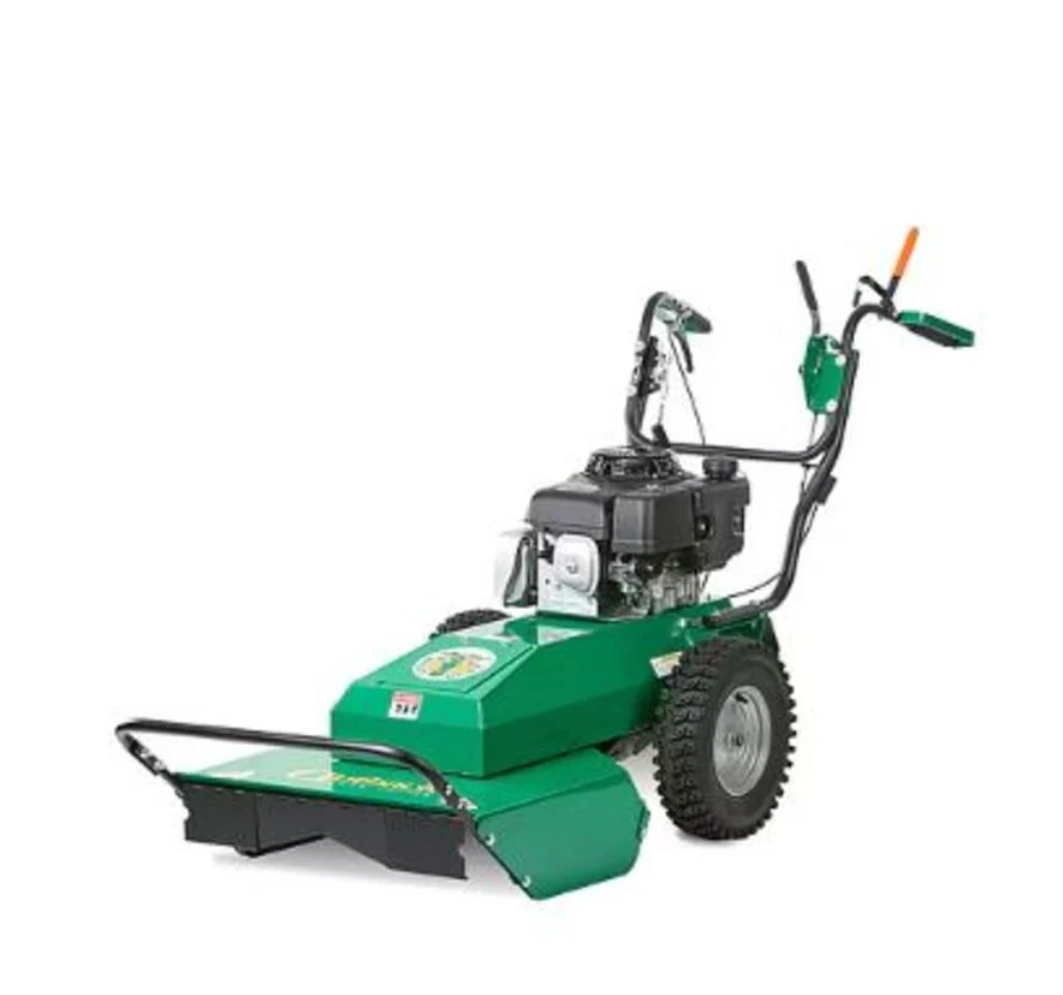
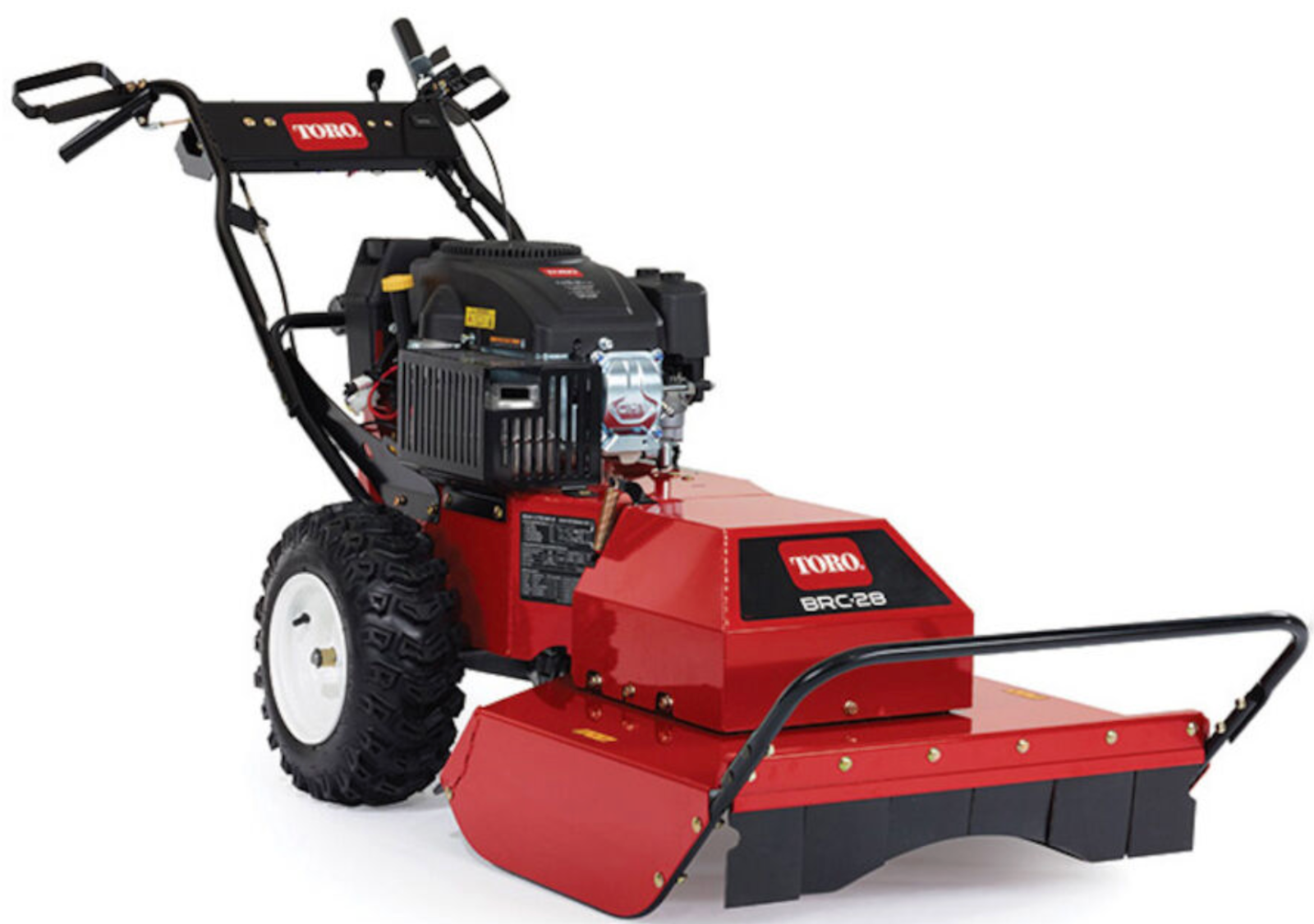
Walk-behind brush mowers (DR PRO 26, Billy Goat, Toro) are standalone machines, no tractor required. They’re the right choice when you need to reach fence lines, tight corners, steep slopes, or any area a tractor can’t access safely. If you don’t own a tractor, start here.
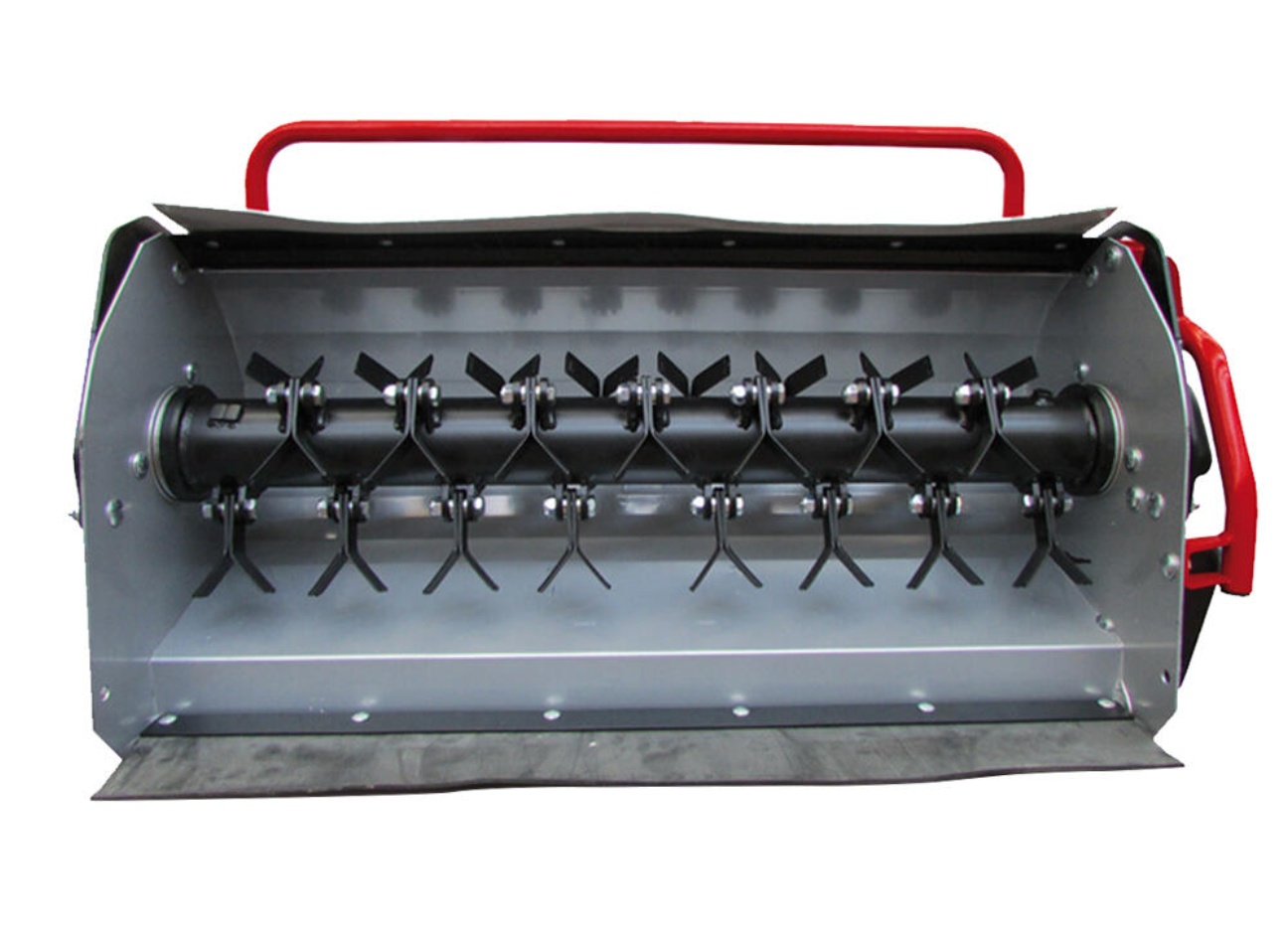
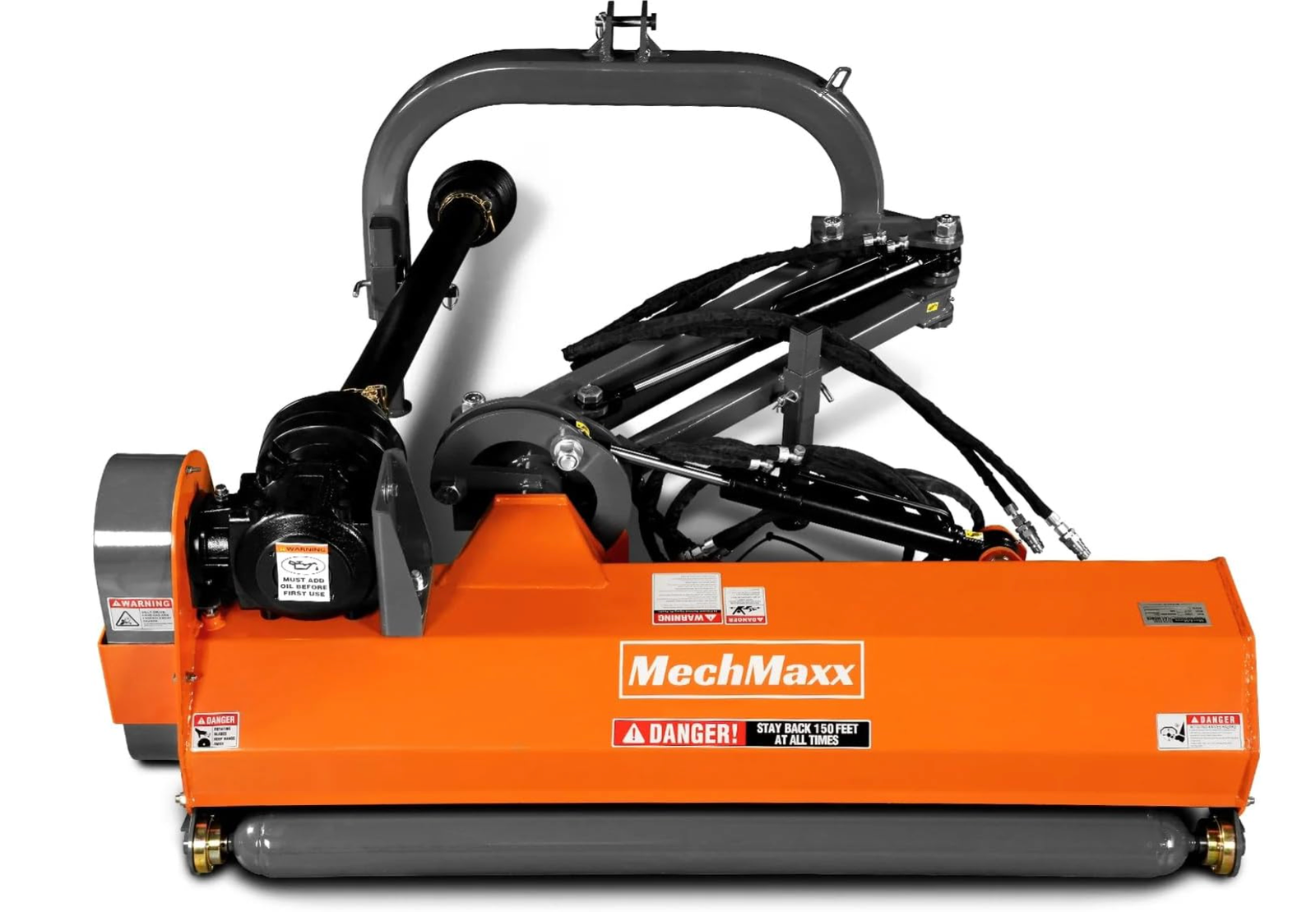
Flail mower attachments (BCS, MechMaxx) mount to a tractor’s three-point hitch and run off the PTO. They cover wider ground faster and produce better mulch than rotary blades, but you need the right tractor to run them. If you already own a compatible tractor, this is often the most cost-efficient path to brush-clearing capacity.
Tow-behind mowers are pulled by an ATV or utility tractor. They cover open ground quickly but struggle with dense brush and can’t navigate tight terrain. If you’re clearing overgrown land with saplings, they’re not the right tool for the job.
By Land Size
Under 1 acre: Any standalone walk-behind on this list handles it. Prioritize ease of use over raw power. The DR PRO 26 is the most forgiving to operate for new users.
1–3 acres: The DR PRO 26 or Billy Goat BC2600HH are both practical. Match the machine to your brush density. If you’re cutting light seasonal growth, the $4,500 Billy Goat is more machine than you need.
3–10 acres: Coverage per hour starts to matter. If you own a compatible tractor, the MechMaxx 60″ covers the most ground per pass at the lowest price. If you don’t, the Toro BRC-28’s 28″ deck and commercial build handle larger jobs, but it takes more time and significantly more budget.
By Vegetation Type
Tall grass and light weeds: Any machine on this list handles this. Match your choice to terrain and budget, not cutting power; you’re not running the engine hard.
Thick brush and multi-stem shrubs: You need high blade tip speed and real torque. The Billy Goat BC2600HH is the right tool. The DR handles moderate brush density well. Avoid the BCS flail for heavy woody stems.
Saplings up to 1.5: The DR PRO 26 and Billy Goat both handle this confidently. Go with the Billy Goat if saplings are your primary challenge.
Saplings over 2″: No walk-behind brush mower handles this reliably at production pace. A chainsaw clears those first; then the brush mower handles cleanup. Don’t buy a machine expecting it to do a job outside its design range.
By Engine Type
Honda engines (Billy Goat): The benchmark for walk-behind reliability. Starts easily after months of storage, holds up under hard use, and parts are available everywhere. You pay for it in purchase price, but you’ll stop paying for it in repair bills.
Briggs & Stratton engines (DR PRO 26, Toro): The Intek and Professional-series engines in these machines are well-matched to the load. Standard maintenance, solid performance. More sensitive to ethanol fuel than Honda uses ethanol-free gas or Sta-Bil if the machine sits for more than 30 days.
Tractor PTO (BCS, MechMaxx): No separate engine to maintain, your tractor does the work. The most cost-efficient path if you already own a compatible tractor. The right answer if you’re in the BCS two-wheel tractor ecosystem.
By Terrain
Flat or gently rolling: Any machine works. Prioritize cutting width and engine power.
Rough or uneven ground: Self-propelled drive becomes important; you don’t want to muscle a 200-lb machine uphill through thick growth. The DR’s power steering and the Billy Goat’s hydrostatic drive both earn their price on terrain like this.
Steep slopes (over 15°): Walk-behind options become a real operator safety concern. The DR PRO 26 (rated to 20°) is the most slope-capable standalone machine on this list, and that’s with its full-pressure oil pump. Evaluate your slope carefully before committing to any walk-behind on hillside work.
Frequently Asked Questions
Can a walk-behind brush mower cut saplings?
Yes, but only up to a point. Most walk-behind brush mowers handle saplings around 1–2.5 inches in diameter. Once the stems get thicker than that, it’s better to cut them first with a chainsaw, then use the mower to clear the rest.
Do small farmers need both a brush mower and a tractor mower?
In many cases, yes. A walk-behind brush mower is useful for tight areas, slopes, and fence lines where a tractor can’t safely go. A tractor mower or flail attachment is better for covering large, open sections of land quickly.
Which is better for a beginner: a brush mower or a string trimmer?
A brush mower is usually the better choice if the land is overgrown. A string trimmer works for light weeds, but once growth gets thick or woody, it becomes slow and exhausting. A brush mower handles that workload more efficiently.
Is a brush mower hard to operate?
Not really, but it does take some getting used to. Machines with features like power steering or hydrostatic drive are easier to handle. Heavier units can be more demanding, especially on uneven ground or slopes.
What type of engine is best for a brush mower?
Honda engines are known for reliability and easy starting, while Briggs & Stratton engines are more common and usually more affordable. If you already own a tractor, a PTO-driven flail mower can be the most efficient option since it uses the tractor’s engine.
What’s the difference between a brush mower and a flail mower?
A brush mower is designed for rough clearing of thick weeds, brush, and saplings. A flail mower is better for mulching and maintaining land after it has already been cleared. If your land is heavily overgrown, a brush mower is usually the first step.
What is the best option for a 3–5 acre small farm?
For most small farms in that range, a walk-behind brush mower like the DR PRO 26 or Billy Goat is enough, especially if you don’t own a tractor. If you already have a tractor, a PTO flail mower can save time on larger sections.
Can I clear overgrown land in one pass?
Not usually. The first pass knocks everything down, but regrowth happens quickly. A second pass in the same season helps bring the land under control and makes future maintenance easier.
Bottom Line: Which Walk-Behind Brush Mower Is Right for You?
Here’s the short version matched to the three situations we see most often:
No tractor, 1–5 acres, mixed terrain: The DR Field & Brush Mower PRO 26 at ~$2,999 is the most capable standalone machine for the price. The power steering and slope-rated engine make it the right choice for most small farms dealing with varied terrain and seasonal brush.
Dense brush, want long-term reliability: The Billy Goat BC2600HH costs more but earns it on tough ground. The Honda engine and hydrostatic drive mean fewer breakdowns and less fighting with the machine on difficult days.
Already own a compatible tractor: The MechMaxx 60″ PTO Flail Mower covers the most ground per hour at the lowest price point for tractor owners. Do the pre-season inspection, carry spare blades, and it delivers.
Every acre of overgrown land you reclaim is an acre working for you again. Match the machine to your brush density, your terrain, and your tractor situation, and you’ll clear it once rather than fighting it back every season.
For more on matching equipment to farm needs, see our best rototillers for small farms under $1,000 same decision-first thinking applied to ground prep.