Quick Comparison Table
| Product |
Best For |
Material |
Tine Type |
Disadvantage |
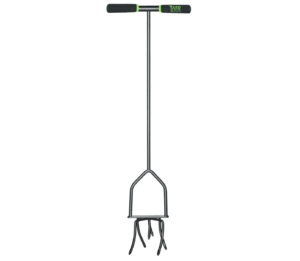
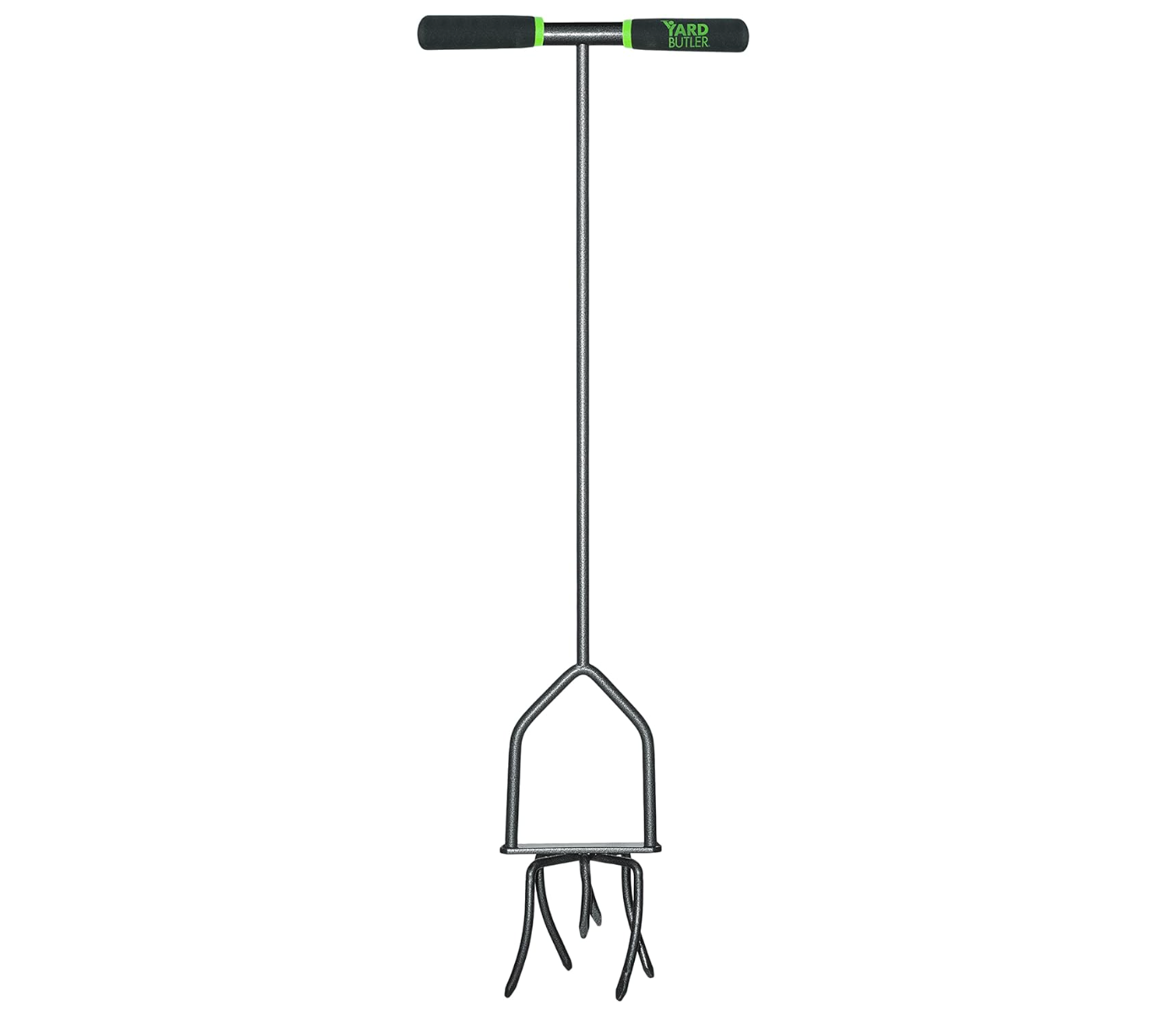
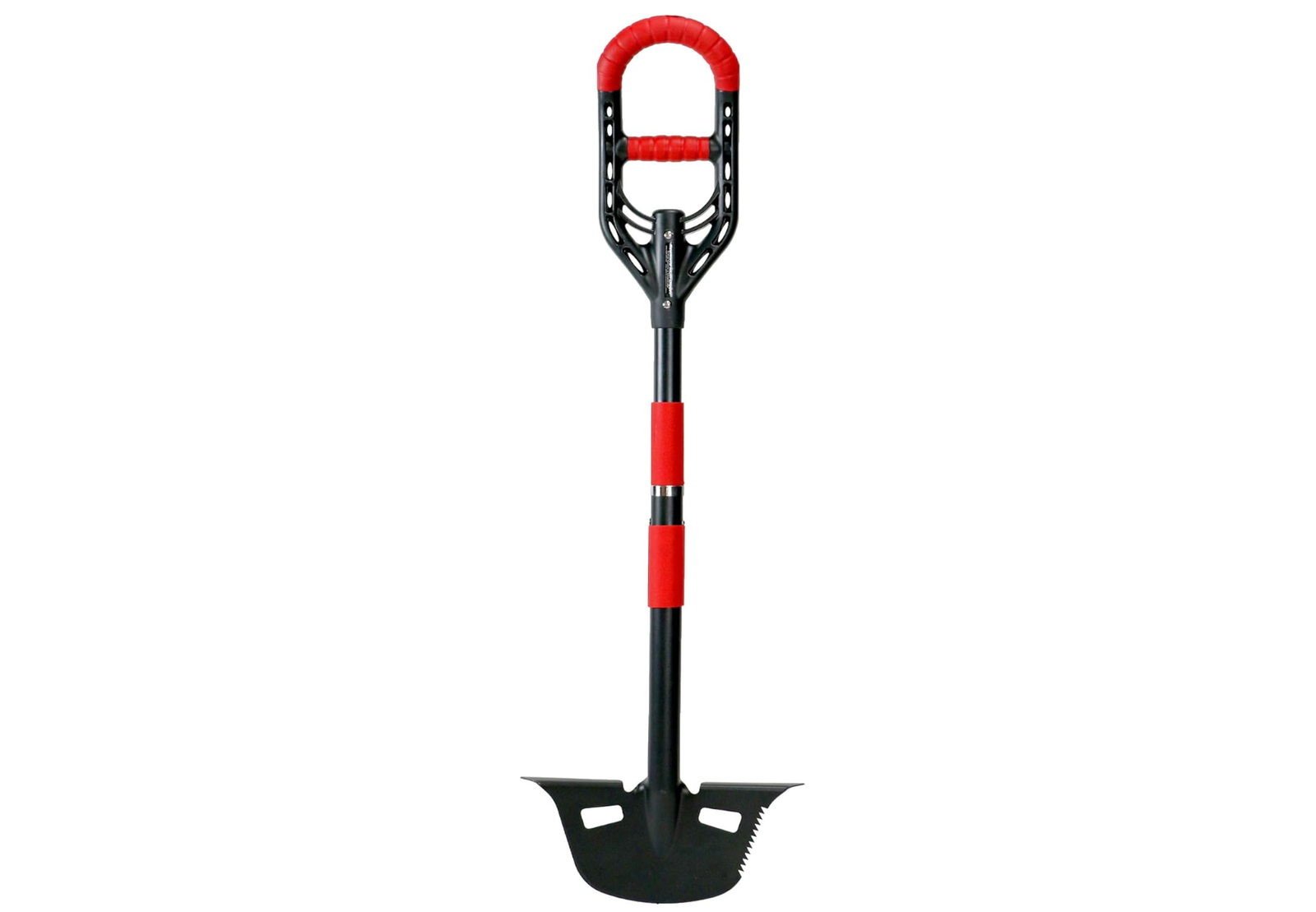
| Yard Butler Twist Tiller |
Overall Use |
Solid Steel |
Deep Fixed Tines |
Too heavy for large fields |
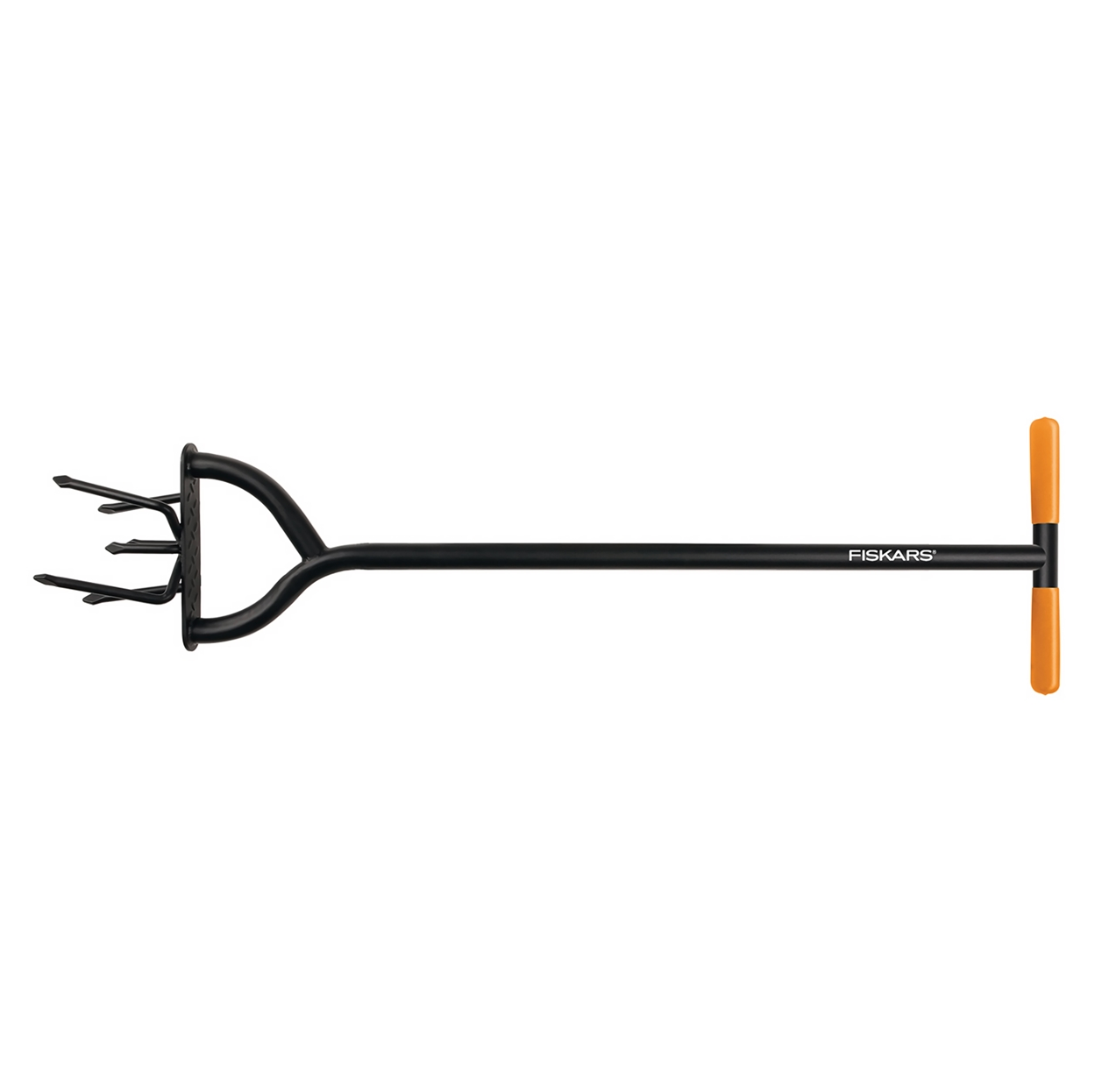
| Fiskars Steel Tiller |
Hard Soil |
Welded Steel |
Welded Steel Tines |
Requires strong upper body |
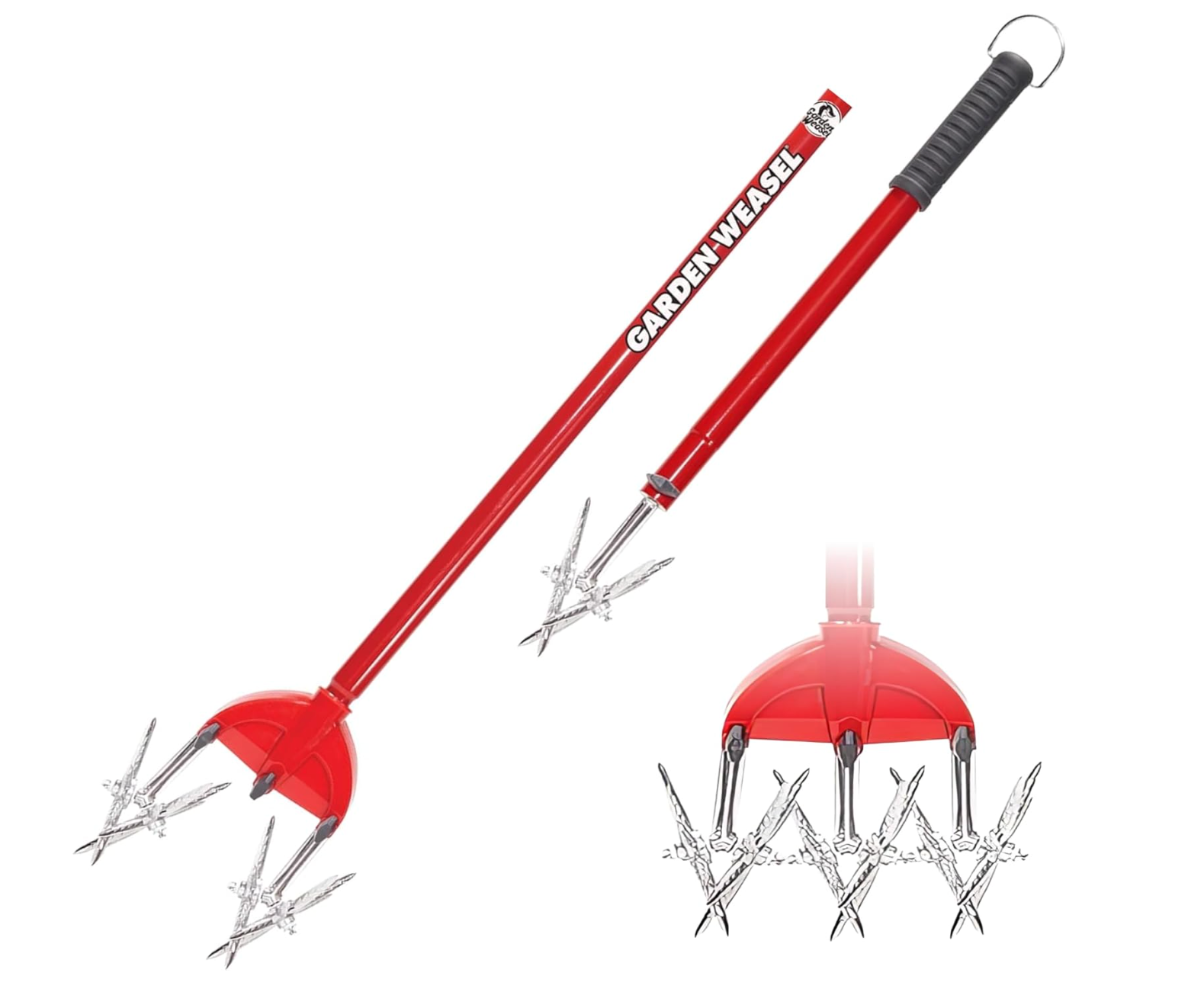
| Garden Weasel 2-in-1 Rotary Cultivator |
Budget/Weeding |
Steel + Rotary |
Rotary Spinning Tines |
Struggles in wet or dense clay |
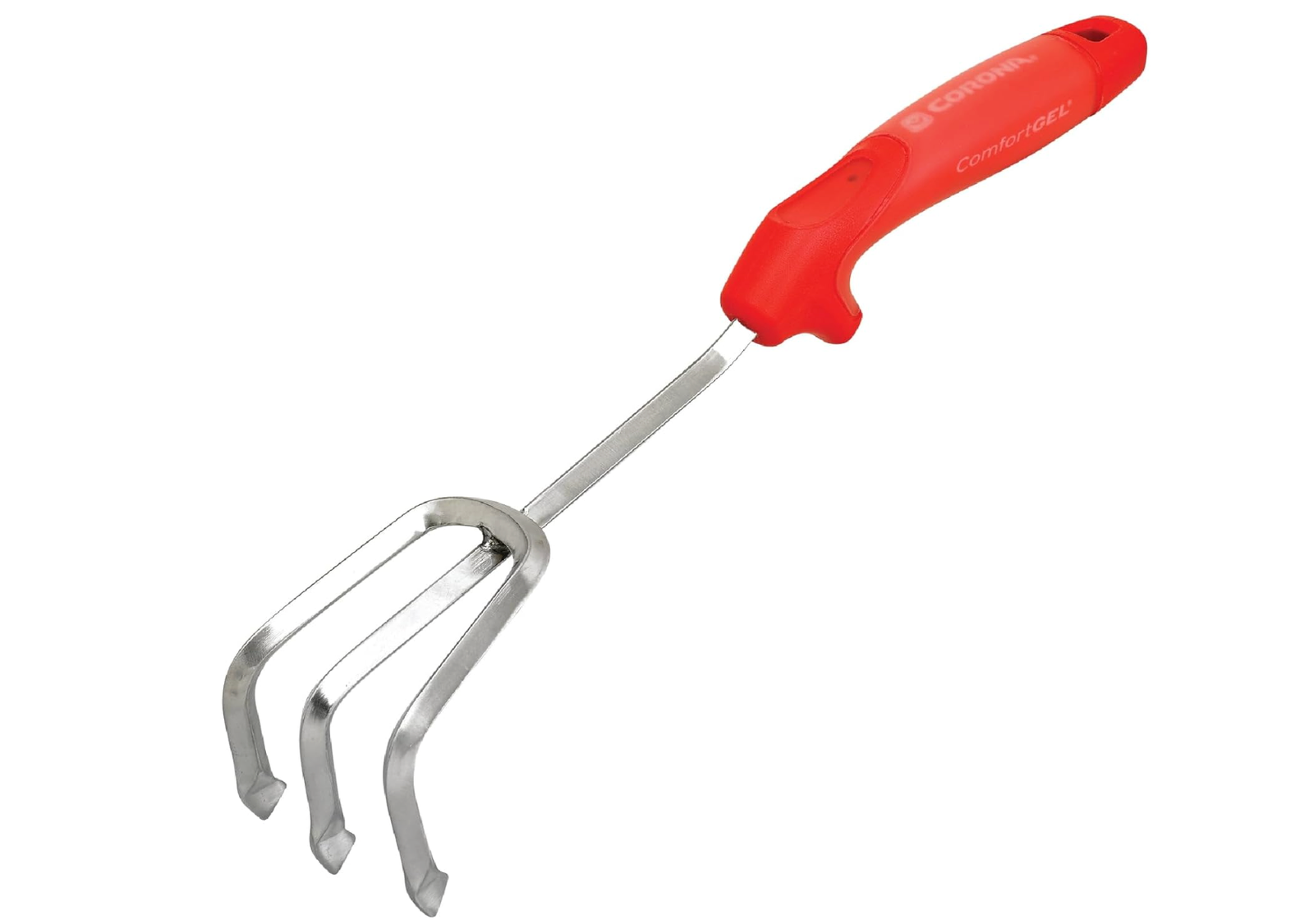
| Corona ComfortGEL Cultivator |
Raised Beds |
High-Carbon Steel |
Fixed Prongs |
Requires bending down to use |
| Roamwild Multi-Digger |
Lightweight Use |
Fiberglass Shaft |
Cutting Tines |
Cannot penetrate compacted clay |
What Is a Hand Tiller and Why Do You Need One
A manual garden tiller is a non-motorized farming tool that uses metal prongs to pierce the earth’s crust. Think of it as a fork designed for farming. You just press the tool down, twist the handle, and it breaks up hard ground easily.
Besides that, it’s also a useful weed removal tool. Small farmers rely on this tool for crop care because they give them control over their delicate seedlings. If you’ve got small-growing seeds you want to protect while weeding, a hand tiller is your go-to tool.
You can easily navigate around tender plant stems and remove invasive weed roots from the dirt. While hand tillers and cultivators are often used interchangeably, tillers are designed for deeper soil breaking, whereas cultivators are better suited for shallow weeding and maintenance. Very few motorized tools can match this level of precision.
How We Found the Best Hand Tillers
Now we didn’t just pick these hand tillers randomly. After researching over 100 of them, we narrowed the list down to five of the best options available today. Every product in this guide was chosen for durability, ease of use, and real performance in garden conditions. But first off, let’s settle the debate: Hand tiller or Electric tiller?
Hand Tiller vs Electric Tiller
Electric tillers work perfectly for breaking up lots of soil at once. However, they can be heavy and really difficult to maneuver safely. On the other hand, a small garden tiller fits perfectly in tight row spaces, and you don’t have to trip over a power cord or call an electrician.
For everyday crop maintenance, the manual option is your go-to. All it needs is a quick wipe after use, and that’s it. An electric tiller is usually way more expensive, and you’ve got to face issues like spark plugs and messy oil changes. Then there is the issue of noise. Electric tillers tend to be noisy and disruptive, particularly when used near homes. With a manual tiller, however, you can cultivate your garden without disturbing anyone.
Best Hand Tiller for 2026
Key Features to Look for in the Best Hand Tillers
If you’re going for hand tillers, you should know which ones are good and how to spot them. The best hand tillers share several important design traits, and you must evaluate them before spending your money. Let’s see what makes a hand tiller really effective.
Tine Design and Strength
The tines do all the heavy lifting in dirt, so you want to go for long claws that pierce deep into the earth. If you’ve got cash to spare, opt for curved tines that twist the dirt even better.
Weak tines will bend if they hit hidden rocks in the ground. Go for high-carbon steel for maximum metal strength, or choose stainless steel instead to prevent rust buildup. In fact, you can even sharpen these tines with a metal file to keep them sharp.
Handle Comfort and Grip
Farming means you’ll spend many hours working directly with the sun. Using a poor handle is just double punishment, as it will leave your hands completely blistered.
The best hand tillers feature ergonomic handles, and most use a wide T-bar for better leverage. This shape reduces strain on your wrists and back. The textured rubber prevents your sweaty hands from constantly slipping while providing extra padding when wearing thick leather gloves.
Trust me, you’ll feel much less vibration in your arm muscles.
Durability and Materials
Get this: plastic parts should have no place on a heavy-duty tool. Your hand tiller needs solid metal construction. Rust-resistant coatings are important for outdoor agricultural work, and powder-coated steel can easily withstand rain and mud.
Also, always check the weld joints on the tool shaft. Weak welds will crack under intense twisting pressure, but strong ones could last for multiple generations.
Weight and Ease of Use
A heavy tool can be very exhausting, but a flimsy tool will bounce off hard dirt. Technically, you need a well-balanced small garden tiller for work.
The weight should sit directly above the digging tines, allowing gravity to do the downward work for you. A proper weight balance preserves your daily farming stamina, especially if you’re an older farmer.
How to Use a Hand Tiller
Farming isn’t just about planting seeds and kicking dirt over them. You need good physical technique to avoid injury.
With the right methods, you save energy for other chores. Even hand tillers require correct usage. But don’t worry, I’ve got it covered.
Step-by-Step Guide
- Always test your soil moisture before you begin. Grab a handful of dirt and squeeze it tightly. If water drips out, the earth is too wet. If it crumbles nicely, then you are ready to work.
- Clear the working area of surface debris first. Remove large rocks to protect your metal equipment, and stand with your feet shoulder-width apart. This gives you a solid working base.
- Hold your tiller with both hands and keep your back completely straight. Push the sharp metal tines into the dirt, use your work boot on the step plate, and twist the handle sharply to either side.
- Finally, pull the tool straight out and move a few inches backward. Repeat this, and you’ve got an excellent way to prep seedbeds.
If you want a deeper breakdown of soil preparation techniques, check out our complete guide on preparing soil for planting.
Common Mistakes to Avoid
There are a few things to avoid when using a hand tiller in your garden or on your farm.
For starters, do not work in soaking wet mud. Wet clay sticks to your hand cultivator tool, making the job heavy and frustrating. Wait for the earth to dry slightly in the sun.
Never bend your lower back to twist the tool. This seems like the best way to do it, but it really isn’t. Just make sure your strong arms and legs push.
Using dull tines is a huge mechanical mistake, too. Keep your tiller sharp and totally clean. Don’t try breaking thick pasture grass directly. Use a sturdy spade to cut the thick sod first, then use your hand tiller to refine the soil.
Over-tilling is another major mistake many beginners make. Pulverizing dirt into fine dust destroys soil structure and harms beneficial organisms. If you’re unsure about proper tilling techniques, you can also review this practical guide from Lowe’s.
As a personal tip, take frequent breaks during long farm shifts.
Frequently Asked Questions
Farmers always have specific questions before buying new equipment. Knowledge prevents you from wasting hard-earned farm money. Let us answer some common agricultural queries below.
-
Can hand tillers break hard soil?
Yes, they can handle tough dirt. The best hand tillers feature sharp steel tines that pierce dense clay quite easily. They help break up hard ground for spring planting, but you might need to work slowly at first. Adding rich compost helps soften the earth beforehand.
-
How deep can a hand tiller go?
Most tools reach about six inches down. This depth is perfect for seeding most crops, though root vegetables like carrots require deeper work.
-
Are hand tillers worth it?
Yes, Motorized machines cost hundreds of dollars upfront, and they require expensive gas and routine maintenance. By contrast, hand tillers cost very little money, and they last for years without breaking down. They also double as an excellent weed removal tool.
Final Thoughts
Choosing the right tools improves your harvest. The best hand tillers protect your physical body and turn agricultural chores into simple tasks. A reliable hand cultivator prepares your farm beds for the best planting season and harvest. Say goodbye to struggling with heavy, loud machinery and go for hand tillers today.
Do you want to learn more about farming? Read our full guide on the Best Rototiller for small farms under $1000 in 2026. Visit Small Farmers Resource for more expert agricultural tips!