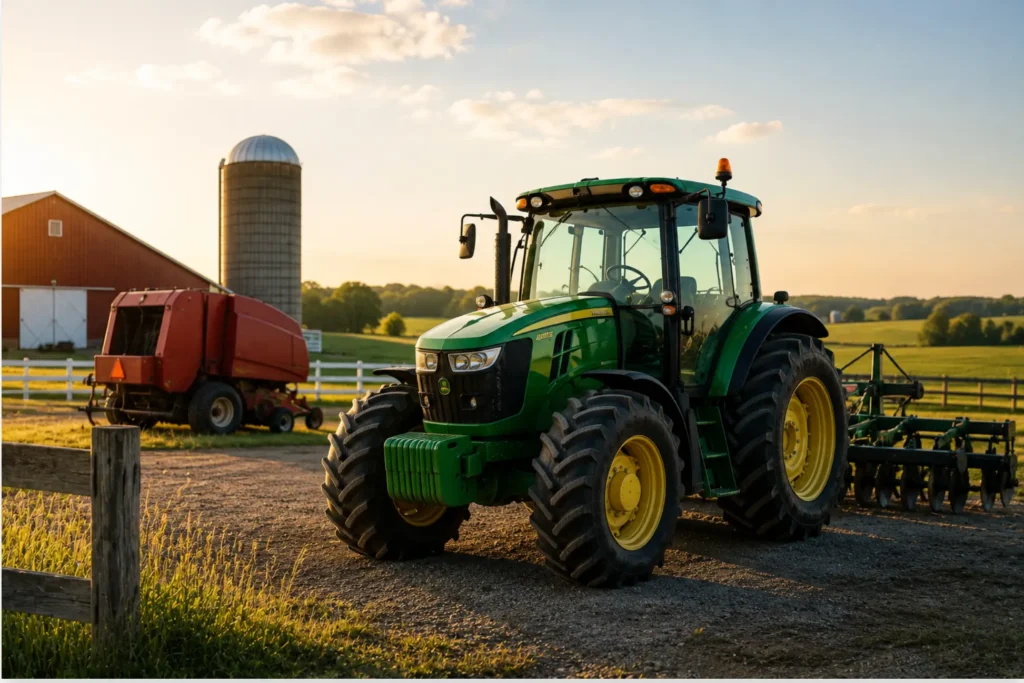
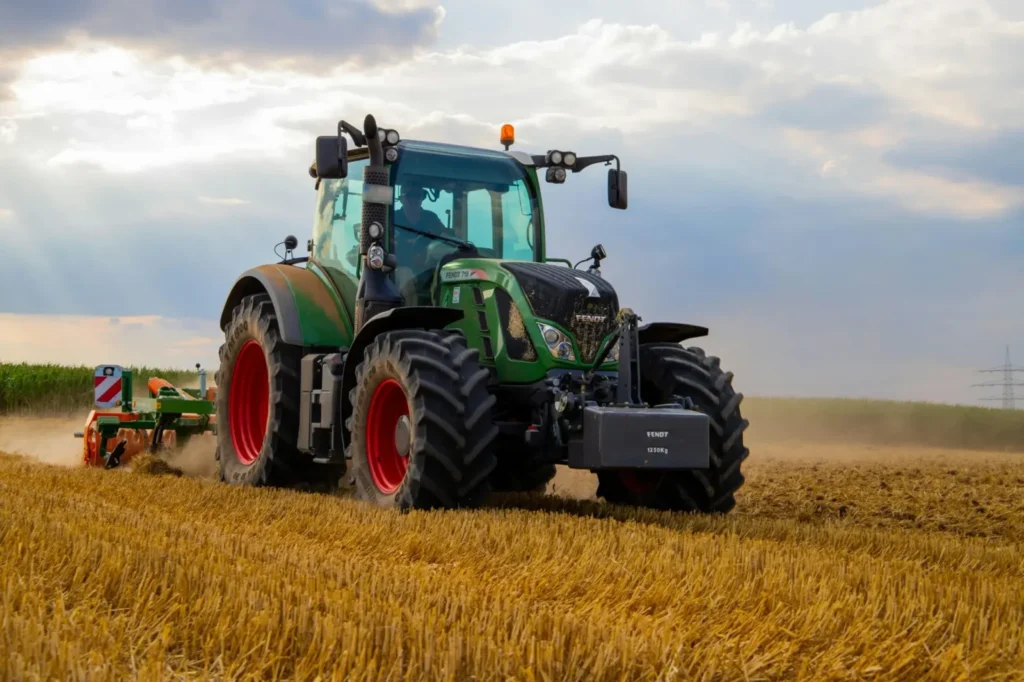
You’ve got 5 acres, a long list of jobs, and a lot of competing opinions online. One forum says buy the biggest tractor you can afford. Your neighbor says, ” Go for Kubota”. The dealer wants you in a cab tractor with attachments you’ll use twice a year.
Here’s the honest answer: the “best” tractor for your farm depends on your acreage, your actual tasks, your budget, and critically, your realistic plans. Not the fantasy 50-acre operation you might have someday. The farm you’re running right now.
If you’re still figuring out the basics of tractor categories, sizing, and what type of machine fits small acreage best, start with our complete guide to tractors for small farms before diving into specific models and recommendations.
Most first-time buyers get this wrong. They overbuy horsepower, overlook dealer support, forget that implements costas much as the tractor, and end up with a machine that’s either too big to be useful or too cheap to be reliable. This guide is built to help you avoid all of that.
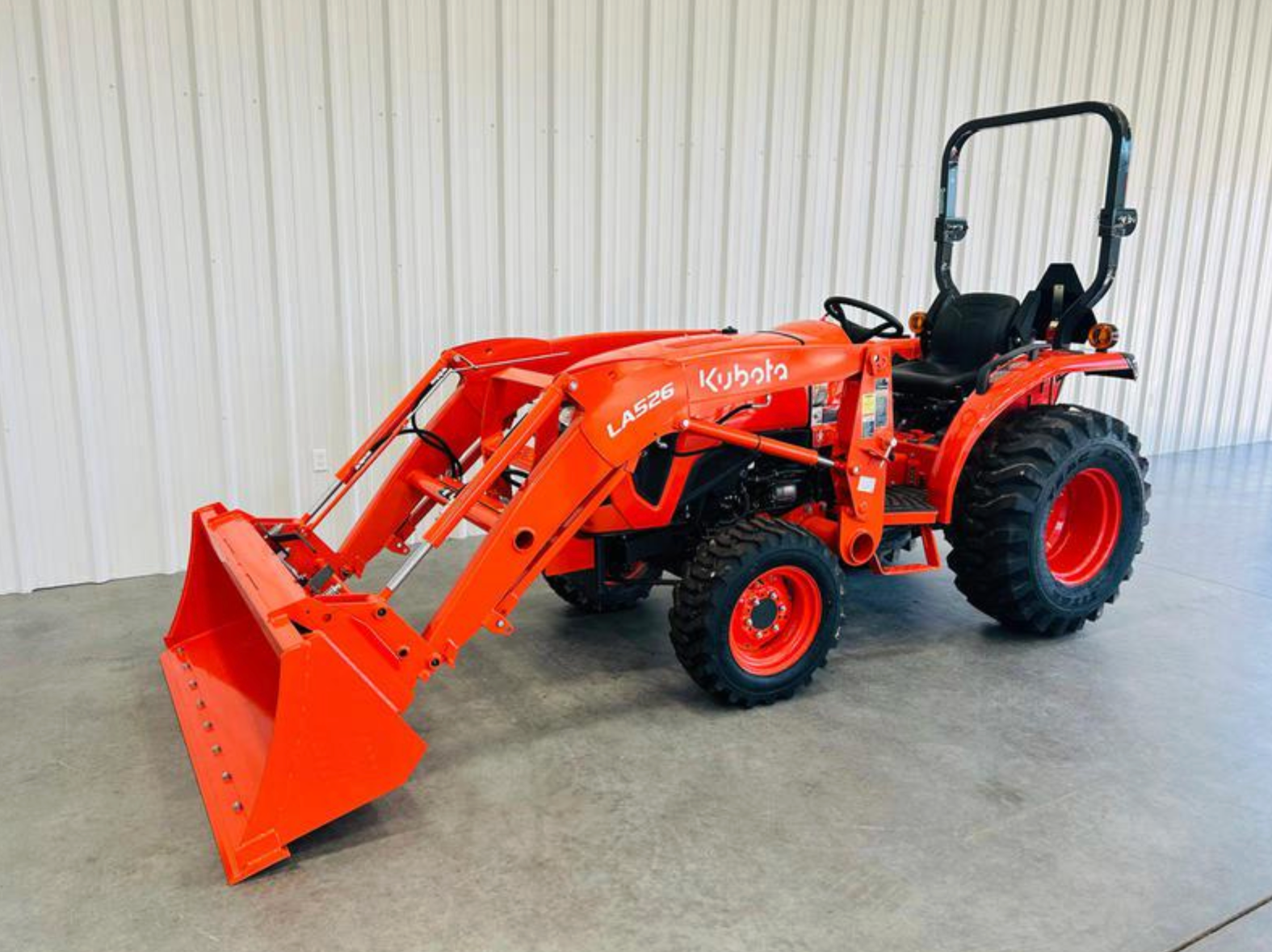
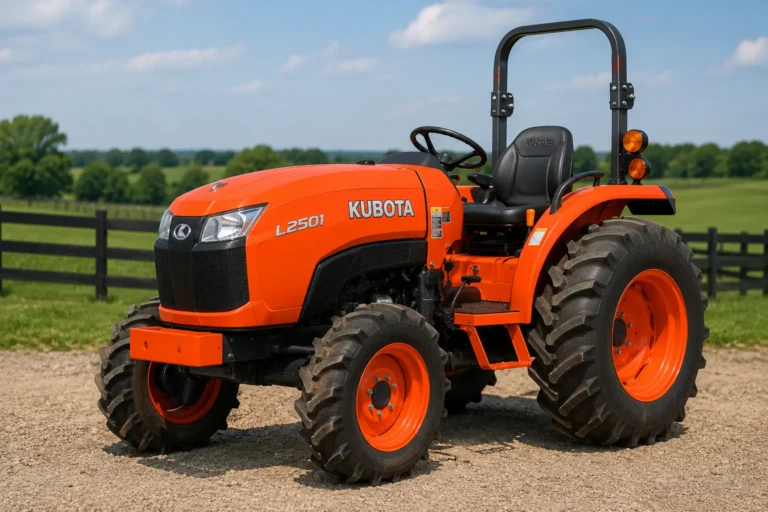
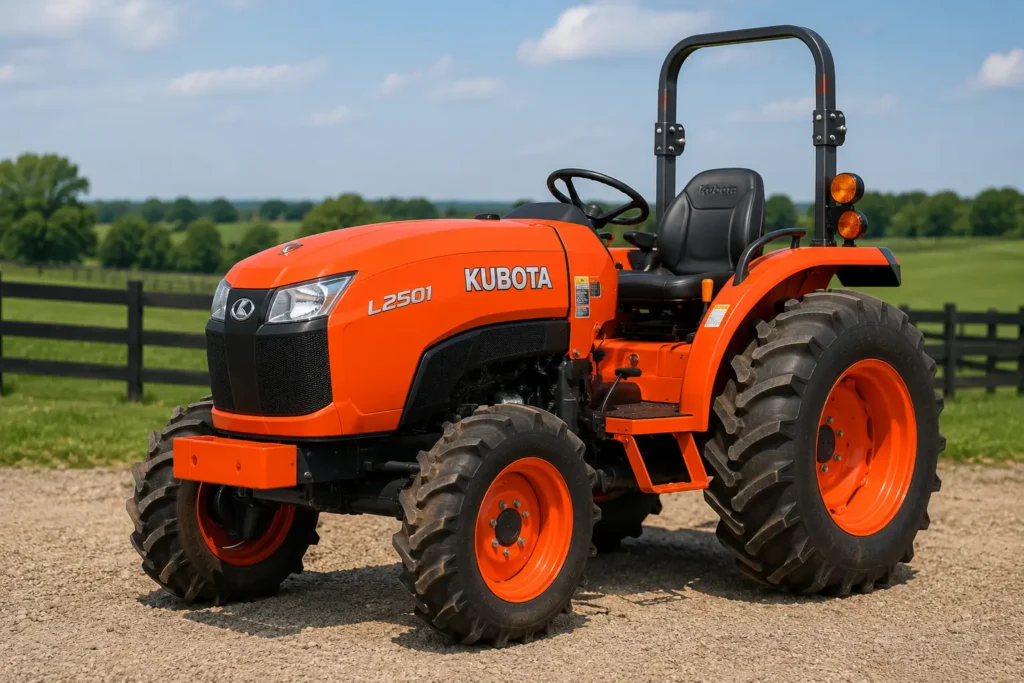
The Kubota L2501 is the tractor most small farmers end up comparing everything else against. It’s not the cheapest option in its class, not even close, but it earns the premium through one thing that matters more than specs: it doesn’t break down easily.
The 24.8 HP diesel engine is fuel-efficient, EPA Tier 4 Final compliant, and pairs well with both the gear-drive and HST (hydrostatic transmission) options. The HST version is the most popular choice for small farm operators who are switching between tasks frequently, with no clutching, just forward and reverse.
Best for: Diversified small farms on 3–10 acres needing a versatile, reliable workhorse with strong resale value.
VERDICT: Buy the Kubota L2501 if you’re on 3–10 acres and want a tractor you’ll still trust in 15 years. Skip it if your budget is tight; the Kioti CK2610H gives you similar capability for less money.
Strong resale value: A well-maintained L2501 holds its value better than most competitors.
HST transmission: Smooth, beginner-friendly, and practical for operators who are constantly changing tasks.
Versatile implement compatibility: Three-point hitch Category 1, 540 RPM PTO, works with a wide range of standard attachments.
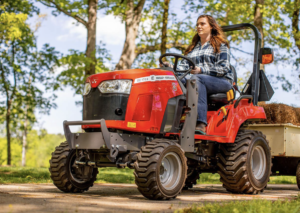
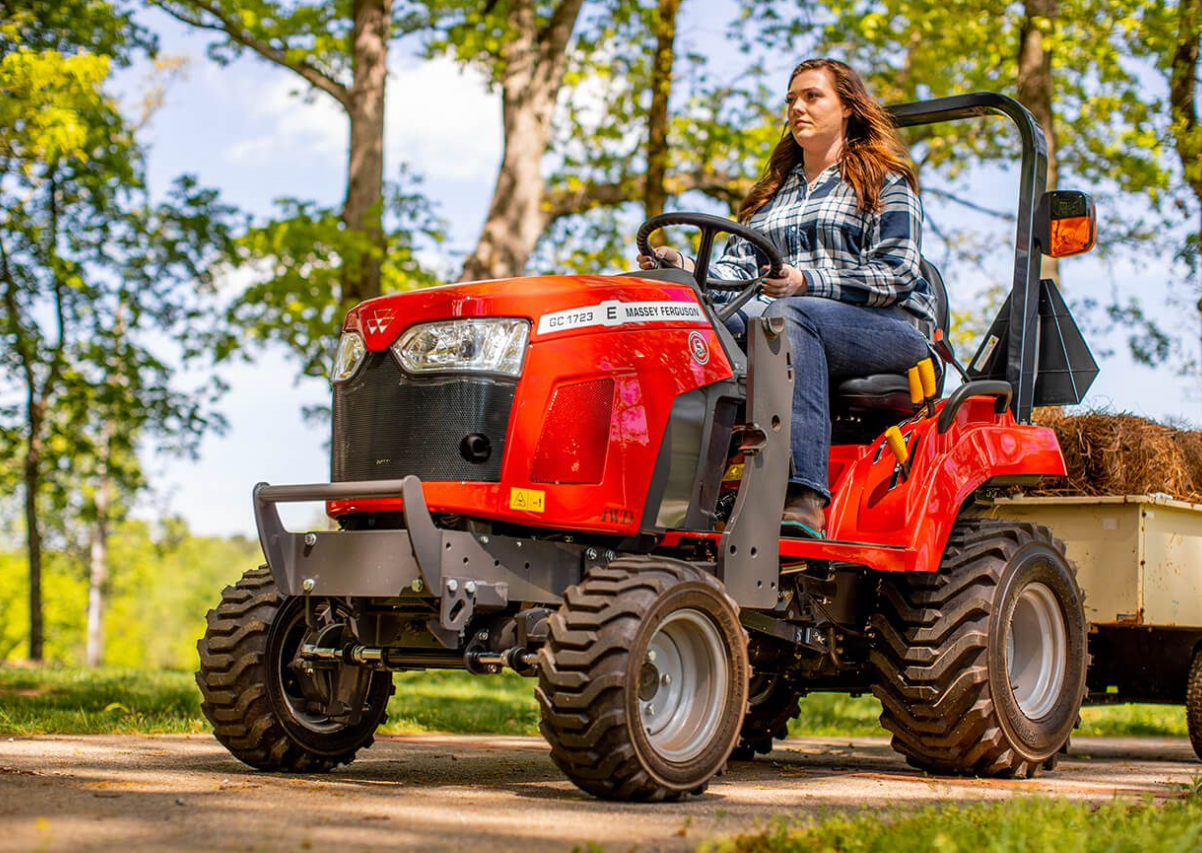
The Massey Ferguson GC1723E is built for smaller properties where tight turning and everyday usability matter more than raw horsepower. The 22.5 HP Iseki diesel engine is liquid-cooled and well-matched to the machine’s size. It’s not going to run a 60-inch rotary cutter all day, but for what a 1–3 acre operation actually asks it to do, it’s well-suited.
The hydrostatic transmission makes it accessible for first-time tractor operators. No gear-shifting to figure out. Forward, reverse, and throttle, that’s most of what you’ll ever need on a small property.
Best for: Landowners on 1–3 acres who need a maneuverable, beginner-friendly subcompact that handles mowing, light loader work, and basic tilling.
VERDICT: Buy the Massey Ferguson GC1723E if you’re managing 1–3 acres and want an easy, low-stress machine for everyday tasks. Skip it if your property is larger or if heavy tilling and PTO work are regular jobs.
Beginner-friendly: The hydrostatic transmission and integrated loader joystick make this accessible for operators with no prior tractor experience.
Maneuverability: Genuinely easy to turn in confined areas.
Loader capability: The front loader is well-sized for the machine.
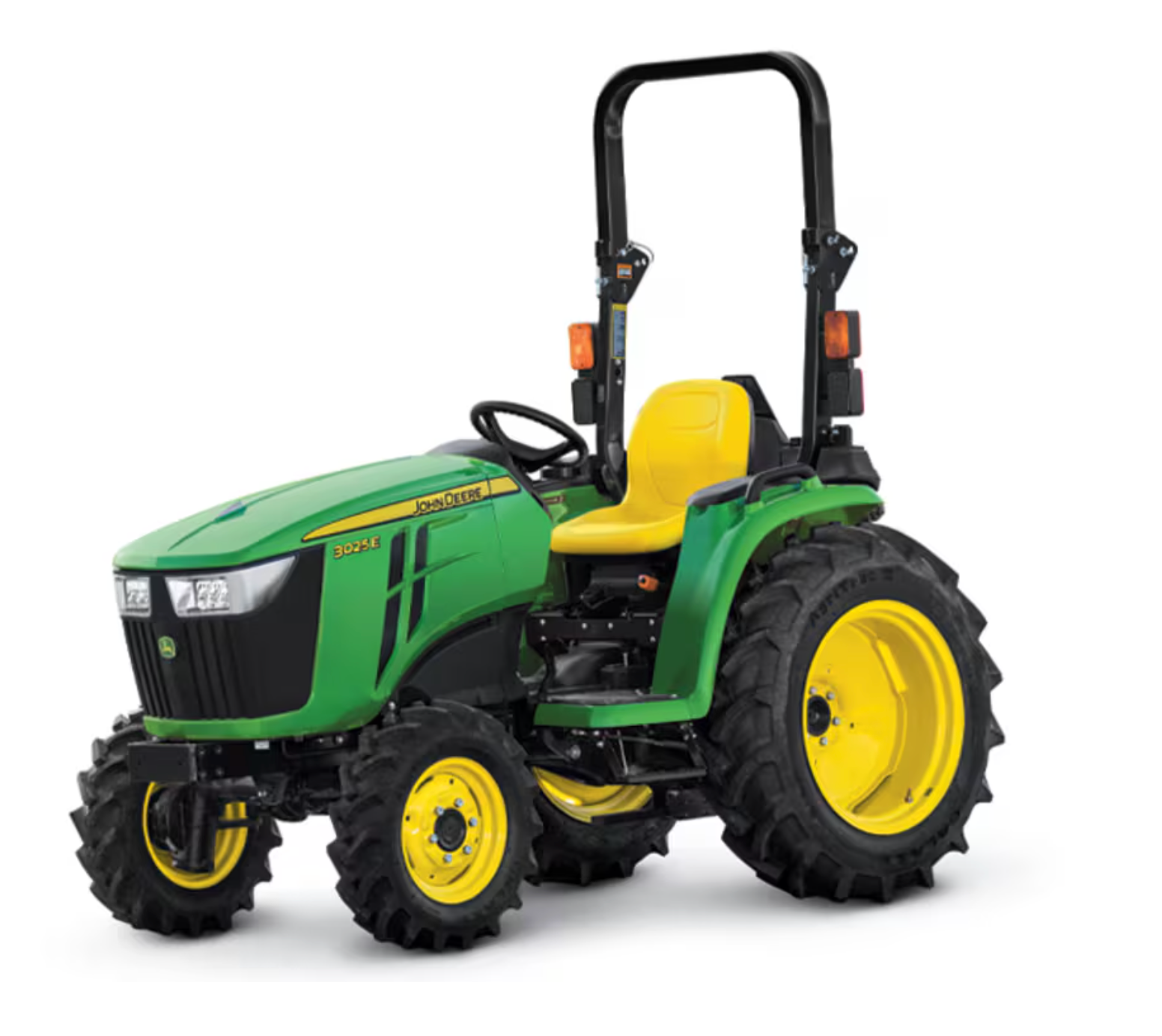
The John Deere 3025E has one thing going for it that no other brand can fully replicate: the dealer network. Green tractors are everywhere. That means parts within driving distance, technicians who know the machine, and a resale market that’s always active.
The 24.4 HP machine runs a Yanmar engine under the hood, features standard four-wheel drive, and uses John Deere’s Twin Touch hydrostatic pedals — widely considered one of the most beginner-friendly transmission setups in the compact class. Tightest turning radius in its horsepower class, per John Deere specs.
Best for: First-time tractor buyers on 1–5 acres who prioritize ease of use, strong dealer support, and quick parts availability over lowest purchase price.
VERDICT: Buy the John Deere 3025E if dealer support and beginner ease of use are your top priorities. Consider the Kubota or Kioti if you want more capability per dollar.
Good dealer network
Twin Touch HST pedals: Beginner-friendly and intuitive.
Genuinely maneuverable. Useful in tight spaces around buildings and garden areas.
Good resale value
The Kioti CK2620H is the value play in this comparison, and it’s a legitimate one. Kioti is a division of Daedong, a Korean manufacturer with decades of tractor production behind it. The CK2620H runs a 24.5 HP Daedong diesel engine, offers both hydrostatic and gear-drive transmission options, and consistently earns praise for hydraulic performance and loader strength.
The trade-off is dealer quality variability. Kubota and John Deere have consistent, nationwide dealer networks. Kioti’s dealer coverage is solid in many regions and thin in others. Before you buy a Kioti, find your nearest dealer, call them, and ask how long parts typically take. That one phone call tells you a lot.
Best for: Experienced or mechanically confident buyers on 3–10 acres who want strong hydraulics and loader capability without the Kubota or Deere price tag.
VERDICT: Buy the Kioti CK2620H if you have solid local dealer support and want the most capability per dollar in this comparison. Call your nearest dealer before you buy.
Most small farm tractor decisions come down to three acreage ranges. Here’s a realistic breakdown of what each one actually requires, not the upsell version.
Acreage
Tractor Type
Good Matches
Notes
1–3 acres
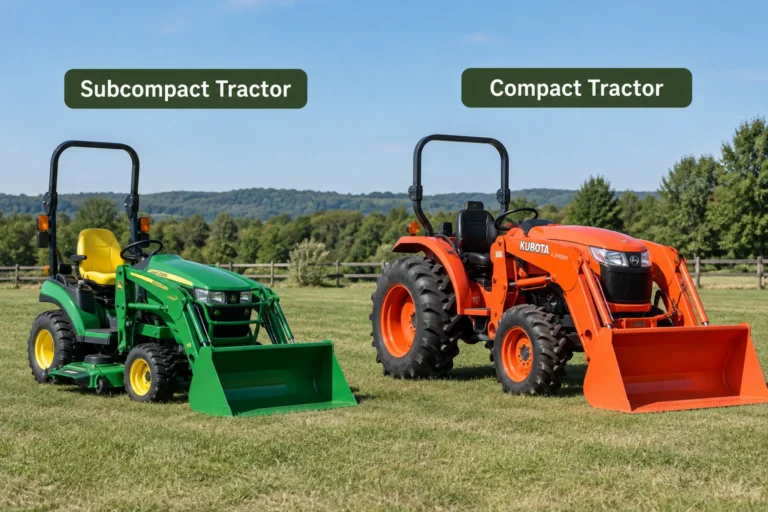
Subcompact (18–25 HP)
Massey GC1723E, JD 3025E
Maneuverability matters most; loader work is occasional
3–10 acres
Compact (25–40 HP)
Kubota L2501, Kioti CK2610H
Regular loader use; heavier PTO tasks
10–20 acres
Compact–Mid (35–50 HP)
Step up from compact line
Field work, hay, rotary cutter, more frequent PTO
1–3 Acres: Subcompact Is Usually Enough
On 1–3 acres, a subcompact tractor in the 18–25 HP range handles mowing, loader work, and light tilling without a problem. You don’t need more power. What you need is a machine that fits where you’re working, tight fence lines, small paddocks, and around buildings.
Maneuverability matters more than horsepower at this scale. A big compact tractor is harder to turn in confined spaces and costs significantly more to buy, fuel, and maintain. Don’t buy horsepower you can’t use.
3–10 Acres: Compact Tractors Earn Their Keep
At 3–10 acres, you’re likely running a loader regularly, tilling, and possibly managing fence lines or small hay fields. A 25–40 HP compact tractor is the sweet spot. It’s capable enough for real work, still maneuverable enough for tight spaces, and available with strong dealer support from every major brand.
This is where the Kubota L2501 and Kioti CK2620H live and where most small farm buyers land. It’s not a coincidence. The compact class is purpose-built for this scale of operation.
10–20 Acres: You’re Starting to Need More Horsepower
At 10–20 acres, tractor tasks get heavier. You may be running a rotary cutter on rough ground, working hay, or managing field edges with a PTO (power take-off – the rotating shaft that drives implements) attachment that demands consistent horsepower. A 35–50 HP compact or mid-size tractor starts to make sense here.
But don’t leap to 60+ HP unless you have the implements and the workload to justify it. Every extra 10 HP adds cost to purchase price, fuel, tires, and maintenance, and those costs add up every season, whether you’re using that power or not.
A Note on “Buy Bigger Just in Case”
You’ll hear this advice constantly. Ignore the blanket version of it.
Sizing up one bracket, say, a 28 HP machine instead of 24 HP, can make sense if expansion is realistic within 4–5 years. But buying a 50 HP tractor for a 5-acre homestead “because you might someday need it” creates real problems: higher financing pressure each month, more fuel burned per hour of actual use, and reduced maneuverability in the spaces you’re actually working.
Buy for your current operation with a little breathing room. Not for the fantasy version.
Best Tractors for Small Farms: Our Top Picks
Here are the four tractors we’d send a small farmer to look at in 2026. Each one has a different profile. We’ll tell you who each fits best, what owners actually report, and where each one falls short.
Strong resale value: A well-maintained L2501 holds its value better than most competitors.
HST transmission: Smooth, beginner-friendly, and practical for operators who are constantly changing tasks.
Versatile implement compatibility: Three-point hitch Category 1, 540 RPM PTO, works with a wide range of standard attachments.
Can be very expensive when compared with other brands
Not ideal for very tight spaces
The Kubota L2501 is the tractor most small farmers end up comparing everything else against. It’s not the cheapest option in its class, not even close, but it earns the premium through one thing that matters more than specs: it doesn’t break down easily.
The 24.8 HP diesel engine is fuel-efficient, EPA Tier 4 Final compliant, and pairs well with both the gear-drive and HST (hydrostatic transmission) options. The HST version is the most popular choice for small farm operators who are switching between tasks frequently, with no clutching, just forward and reverse.
Best for: Diversified small farms on 3–10 acres needing a versatile, reliable workhorse with strong resale value.
VERDICT: Buy the Kubota L2501 if you’re on 3–10 acres and want a tractor you’ll still trust in 15 years. Skip it if your budget is tight; the Kioti CK2610H gives you similar capability for less money.
Beginner-friendly: The hydrostatic transmission and integrated loader joystick make this accessible for operators with no prior tractor experience.
Maneuverability: Genuinely easy to turn in confined areas.
Loader capability: The front loader is well-sized for the machine.
Tighter operator seat
Occasional hydraulic squeal
Not for heavy PTO work
The Massey Ferguson GC1723E is built for smaller properties where tight turning and everyday usability matter more than raw horsepower. The 22.5 HP Iseki diesel engine is liquid-cooled and well-matched to the machine’s size. It’s not going to run a 60-inch rotary cutter all day, but for what a 1–3 acre operation actually asks it to do, it’s well-suited.
The hydrostatic transmission makes it accessible for first-time tractor operators. No gear-shifting to figure out. Forward, reverse, and throttle, that’s most of what you’ll ever need on a small property.
Best for: Landowners on 1–3 acres who need a maneuverable, beginner-friendly subcompact that handles mowing, light loader work, and basic tilling.
VERDICT: Buy the Massey Ferguson GC1723E if you’re managing 1–3 acres and want an easy, low-stress machine for everyday tasks. Skip it if your property is larger or if heavy tilling and PTO work are regular jobs.
Good dealer network
Twin Touch HST pedals: Beginner-friendly and intuitive.
Genuinely maneuverable. Useful in tight spaces around buildings and garden areas.
Good resale value
Premium pricing
Implement costs add up to the costs
The John Deere 3025E has one thing going for it that no other brand can fully replicate: the dealer network. Green tractors are everywhere. That means parts within driving distance, technicians who know the machine, and a resale market that’s always active.
The 24.4 HP machine runs a Yanmar engine under the hood, features standard four-wheel drive, and uses John Deere’s Twin Touch hydrostatic pedals — widely considered one of the most beginner-friendly transmission setups in the compact class. Tightest turning radius in its horsepower class, per John Deere specs.
Best for: First-time tractor buyers on 1–5 acres who prioritize ease of use, strong dealer support, and quick parts availability over lowest purchase price.
VERDICT: Buy the John Deere 3025E if dealer support and beginner ease of use are your top priorities. Consider the Kubota or Kioti if you want more capability per dollar.
The Kioti CK2620H is the value play in this comparison, and it’s a legitimate one. Kioti is a division of Daedong, a Korean manufacturer with decades of tractor production behind it. The CK2620H runs a 24.5 HP Daedong diesel engine, offers both hydrostatic and gear-drive transmission options, and consistently earns praise for hydraulic performance and loader strength.
The trade-off is dealer quality variability. Kubota and John Deere have consistent, nationwide dealer networks. Kioti’s dealer coverage is solid in many regions and thin in others. Before you buy a Kioti, find your nearest dealer, call them, and ask how long parts typically take. That one phone call tells you a lot.
Best for: Experienced or mechanically confident buyers on 3–10 acres who want strong hydraulics and loader capability without the Kubota or Deere price tag.
VERDICT: Buy the Kioti CK2620H if you have solid local dealer support and want the most capability per dollar in this comparison. Call your nearest dealer before you buy.
What Most First-Time Tractor Buyers Get Wrong
Read tractor forums long enough, and you see the same regrets repeated. Here’s what actually trips up first-time buyers and how to avoid it.
Buying too much horsepower: A 45 HP tractor on a 5-acre homestead doesn’t make your life easier; it makes tight turns harder, fuel bills higher, and your monthly payment larger. Match horsepower to your actual workload.
Ignoring dealer support: The “perfect” tractor sitting broken for two weeks waiting on a part is worth a lot less than the second-choice tractor you could get running in 24 hours. Dealer proximity matters as much as the machine itself.
Forgetting implement costs: A box blade, a finish mower, a rear tiller, and a loader can add $3,000–$10,000 to your total investment. Budget for them before you buy the tractor, not after. See our guide to tractor implements for small farms for realistic cost guidance.
Prioritizing brand over actual needs: Brand loyalty is a real phenomenon in tractor buying, and it’s not always wrong. But “my neighbor swears by Brand X” doesn’t mean Brand X is the right fit for your property, your budget, or your nearest dealer.
Underestimating maintenance: Tractor maintenance isn’t complicated, but it’s consistent. Filters, fluids, belts, hitch pins, these need attention every season. Budget time and money for it before your first season, not when something goes wrong.
Buying for fantasy future growth: “I might buy more land someday” is not a tractor-buying reason. Buy for what you’re farming now. If you expand meaningfully in 3–5 years, you can trade up then. Most people don’t.
Best Tractor by Use Case
If you know what you’re primarily trying to accomplish, here’s the short version:
Use Case
Top Pick
Why
Best for 5 acres
Kubota L2501 or John Deere 3025E
Versatile, durable, dealer support
Best beginner tractor
John Deere 3025E or Massey GC1723E
Simple controls, forgiving HST
Best budget tractor
Kioti CK2610H
Strong value, capable loader
Best loader tractor
Kubota L2501 or Kioti CK2610H
Strong hydraulics, lift capacity
Best compact tractor
Kubota L2501
Balance of power and maneuverability
Best subcompact tractor
Massey Ferguson GC1723E
Tight spaces, 1–3 acre ops
If you’re financing your purchase, run the numbers on the total cost of ownership, not just the sticker price. Our guide on how to finance farm equipmentwalks through what to watch for in ag loan terms and what dealers don’t always tell you upfront.
Dealer Support Matters More Than Most People Think
Here’s the scenario that kills tractor ownership: it’s mid-June, you’ve got hay down, and your tractor is out of service waiting on a part that’s three weeks out from your nearest dealer. That’s not a hypothetical. It happens regularly to buyers who choose a brand without checking dealer proximity first.
Dealer support affects your ownership experience in three concrete ways:
Parts availability: A well-stocked dealer gets you running the same day or the next day. A thin dealer means ordering online and waiting.
Maintenance convenience: Local service means your tractor gets looked at on schedule. Remote service means deferred maintenance, which means bigger repair bills.
Downtime cost: On a working farm, downtime has a real cost. Time-sensitive tasks, planting windows, hay curing, and market garden prep don’t wait for parts to ship.
Before you buy any tractor, do this: find your nearest authorized dealer for that brand, call them, and ask two questions. How long do parts typically take? Do you have a service technician on staff? Those answers tell you more about your real ownership experience than any spec sheet.
John Deere and Kubota have the most consistent nationwide coverage. Kioti and Massey Ferguson are strong in many regions and thin in others. It’s not a knock on the machines; it’s geography. Check before you buy.
Frequently Asked Questions
What size tractor do I need for 5 acres?
A 24–28 HP compact tractor handles 5 acres comfortably for most tasks, mowing, light loader work, tilling, and small PTO attachments. The Kubota L2501 and John Deere 3025E are both well-suited. You don’t need more than 35 HP unless you’re running heavy implements or managing rough terrain regularly.
Is 25 HP enough for a small farm?
Yes, for most small farm operations, 25 HP is enough. On 1–10 acres, a 25 HP tractor can comfortably handle finish mowing, light tilling, loader work, post hole digging, and other common small-farm tasks.
The limiting factor usually isn’t horsepower; it’s matching the tractor to the right implements and PTO requirements. If you’re unsure whether a subcompact, compact, or larger tractor fits your property best, check our guide ontypes of tractors for small farmsbefore choosing a machine.
Should I buy a used or new tractor?
Used makes sense if you can inspect the machine properly or have a trusted mechanic do it. Look for documented maintenance records, low hours relative to age, and no signs of hydraulic leaks or major wear. New makes sense if you’re financing (manufacturer rates are often competitive) or if local used inventory is thin. Buying a used tractor with an unknown history is a gamble, and budget for a pre-purchase inspection if you go that route.
What’s the best beginner tractor?
The John Deere 3025E is the most beginner-friendly choice for most first-time buyers intuitive Twin Touch HST transmission, excellent dealer support, and strong parts availability. The Massey Ferguson GC1723E is the better pick for 1–3 acre properties where maneuverability is the top priority.
Is a compact better than subcompact?
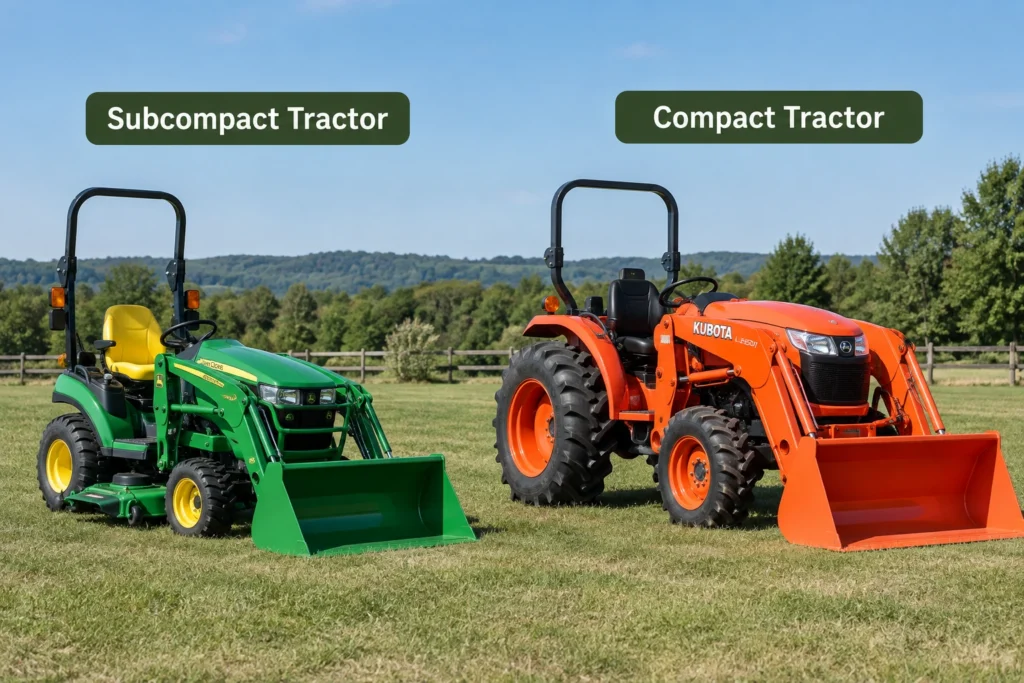
It depends on your acreage and tasks. Subcompact tractors (18–25 HP) are better for tight spaces, lower cost, and 1–3 acre operations. Compact tractors (25–50 HP) are better for 3–10+ acres, heavier PTO work, and more demanding loader tasks. Don’t size up unless your tasks require it.
Final Thought
The best tractor is the one you’ll actually use without frustration, can get serviced when it needs it, and won’t strain your budget for the next five years. No single brand wins on every farm. The right choice is the one that fits your acreage, your tasks, your dealer access, and your financial reality, not the one with the most horsepower or the most recognizable color. Take your time, sit in a few machines, call your local dealers, and buy for the farm you have today. That’s the tractor that earns its keep.
Share this article
Table of Contents
Subscribe
By pressing the Subscribe button, you confirm that you have read our Privacy Policy.
A trusted, research-driven platform dedicated to helping small and first-time farmers make confident, cost-smart equipment decisions without sales pressure.