
What Equipment Do You Really Need for 2, 5, 10, 20, or 50 Acres?
If you’re trying to figure out what equipment you need for 5 acres, 10 acres, or even 50 acres, you’re not alone. Most equipment mistakes happen because farmers buy based on what feels like progress instead of what their acreage actually requires.
You know that feeling when you bring home a piece of equipment and realize a few weeks later it doesn’t quite fit your farm? Maybe it’s too large to maneuver between your rows. Maybe it burns more fuel than the task justifies. Maybe it sits in the barn most of the season because the workload never demanded it.
That feeling is expensive, and it’s almost always avoidable.
The most reliable way to plan your equipment purchases is to start with acreage. Your land size tells you how much mechanical power is useful versus wasteful. It tells you where hand tools stop being efficient and where machines start earning their cost. It tells you which purchases will pay you back this season, and which ones should wait.
This guide breaks down equipment planning for 2-5 acres, 5-10 acres, 10-20 acres, and 20-50 acres so you can make decisions that fit your land, your workload, and your budget.
Before You Start: Four Planning Questions That Change Everything
What are you actually producing?
Vegetable production, hay production, and livestock management each call for completely different tool sets, even on identical acreage. A 10-acre vegetable farm needs precision seeders, cultivation tools, drip irrigation, and harvest infrastructure. A 10-acre hay operation needs a mower, a rake, and either a baler or a custom hire relationship. There is almost no equipment overlap between those two farms. Before you look at a single price tag, get specific about what you’re growing and what tasks it creates.
How much labor do you have, and how physical can that labor realistically be?
Some equipment decisions are really labor decisions in disguise. If you’re farming alone on 8 acres of vegetables, the wheel hoe that saves you three hours of hand-hoeing per week is worth more to your operation than almost anything with an engine. Be honest about who is doing the work and how long they can sustain it.
What does your cash flow look like right now, not projected, but right now?
Financing equipment is sometimes the right call. Carrying debt on equipment that hasn’t started earning yet is a different thing entirely. Know your actual monthly cash position before any major purchase. A farm that’s two seasons old is not the same financial animal as one that’s been running profitably for five years. Buy accordingly.
Where will this farm realistically be in three years?
Growth plan, but be honest rather than aspirational about it. Equipment that serves you well now and has room to grow into is usually the right answer, not equipment bought purely on future projections.
2-5 Acres: The Power of the Right Small Tool
There’s a temptation at this scale to feel like you need to quickly graduate to “real” farm equipment, meaning a tractor, a set of implements, and the full mechanized setup. That thinking gets beginning farmers into trouble more often than almost any other mistake we see.
At 2 to 5 acres, the farms that run most efficiently are typically the ones that have invested deeply in high-quality hand tools and small-scale mechanical equipment rather than stretching their budget toward a tractor they don’t yet need. On intensive acreage at this size, the bottlenecks aren’t power, they’re precision, consistency, and the ability to do the same task quickly across a lot of small areas. A wheel hoe solves that. A stirrup hoe solves that. A quality push seeder solves that. A 30-horsepower tractor with a tiller doesn’t solve that; it just costs more.
Soil Preparation
A broadfork for aerating established beds without disrupting your soil structure, budget $150 to $300 for a well-made one, not the hardware store version that bends on its second use. A rear-tine tiller for initial bed preparation and incorporating amendments, budget $500 to $1,200 for a reliable gas-powered model. For farmers who want to step up their soil preparation capability without buying a four-wheel tractor, a BCS walk-behind two-wheel tractor with a power harrow attachment ($4,000–$7,000) handles everything a small tractor would handle on this acreage, fits down 30-inch beds, and weighs a fraction of what four-wheel equipment weighs.
Weeding
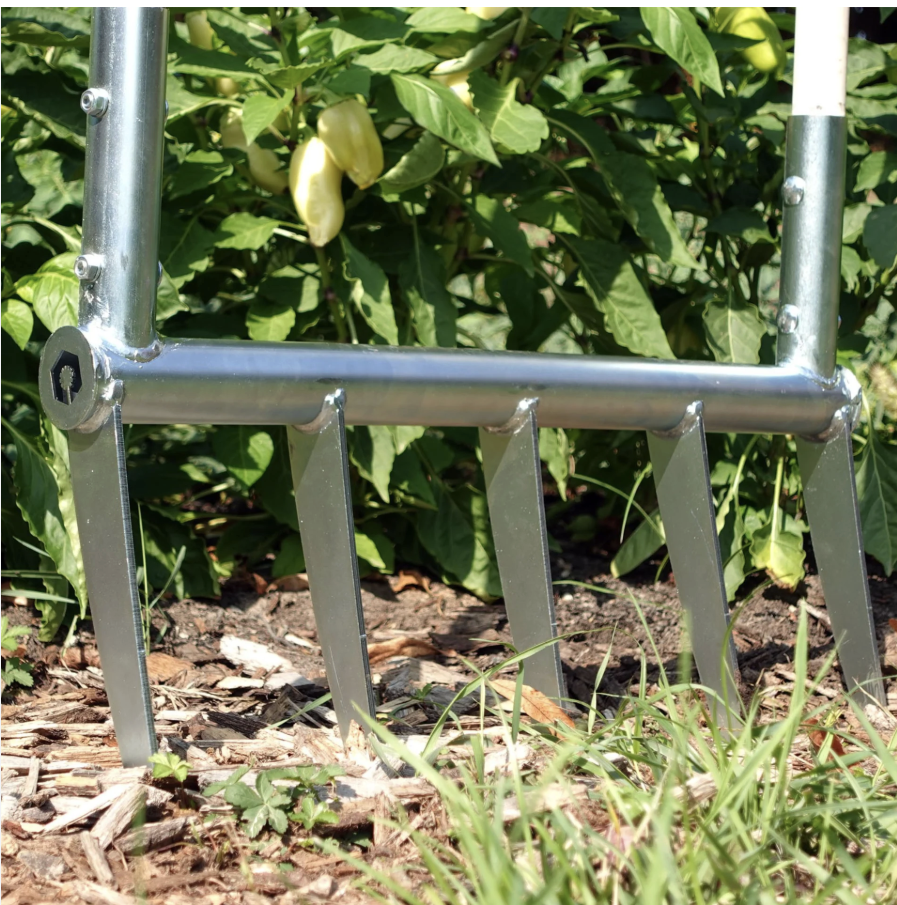
Weeding is the task that quietly destroys more labor hours on small vegetable farms than any other. A stirrup hoe, sometimes called an oscillating hoe, cuts weeds on both the push and pull stroke, and is dramatically faster than a flat hoe for between-row work. Get one in the width that matches each of your main row spacings. A wheel hoe is the next step up, covering a full row path in a single walking pass. For direct-seeded dense crops like baby greens, carrots, or beets, a tine weeder lets you cultivate right over the germinating row before your crop emerges. These three tools together can cut your weekly weeding time by more than half. Combined cost: $300–$600.
Seeding and Planting
A precision push seeder plants consistently spaced rows at walking speed and pays for itself in the first season for any farmer doing significant direct seeding. Budget $350–$500 for a single-row model. For high volumes of salad mix or other dense plantings, a multi-row version ($600–$800) improves the economics further.
Transplant trays, a soil blocker or flat filler, and heat mats are equally important; they directly influence transplant quality and should be included in your first-year setup.
Water
Weeding is the task that quietly destroys more labor hours on small vegetable farms than any other. A stirrup hoe, sometimes called an oscillating hoe, cuts weeds on both the push and pull stroke and is dramatically faster than a flat hoe for between-row work. Get one in the width that matches each of your main row spacings. A wheel hoe is the next step up, covering a full row path in a single walking pass. For direct-seeded dense crops like baby greens, carrots, or beets, a tine weeder lets you cultivate right over the germinating row before your crop emerges. These three tools together can cut your weekly weeding time by more than half. Combined cost: $300–$600.
Post-Harvest Handling
A precision push seeder plants consistently spaced rows at walking speed and pays for itself in the first season for any farmer doing significant direct seeding. Budget $350–$500 for a single-row model. For high volumes of salad mix or other dense plantings, a multi-row version ($600–$800) improves the economics further. Add transplant trays, a soil blocker or flat filler, and heat mats for germination; these directly determine transplant quality and belong in your first-year setup.
On four-wheel tractors at this scale:
For strictly vegetable-focused operations on 2 to 5 acres with permanent raised beds, many experienced farmers run walk-behind equipment their entire career at this acreage and are more productive, not less, than they would be with a tractor. If you have significant mowing needs, livestock requiring pasture management, or regular heavy material hauling, that changes the calculation. But don’t buy a tractor because it feels like the natural next step. Buy it when your specific task list makes it clearly the right call.
5-10 Acres: Finding Your Footing Between Two Worlds
This is the acreage range where the most equipment mistakes happen. At 5 acres, you’re starting to feel the limits of a purely hand-tool operation. At 10 acres, you’re having real conversations about mechanization. In between, every equipment decision feels like it could go either way, and that uncertainty leads farmers to either underinvest and stay bottlenecked or overinvest and create financial pressure they didn’t need.
The right strategy for this tier depends more on your production type and labor situation than on your exact acreage. A 6-acre intensive vegetable farm with two workers can run efficiently with walk-behind equipment and targeted mechanization. An 8-acre hay and pasture operation with one person managing it needs a tractor; the mowing and material handling demands are real and recurring. Let your task list drive the decision, not the acreage number alone.
For vegetable-focused farms at this scale
The walk-behind two-wheel tractor becomes nearly essential if you don’t have one already. At 5 to 8 acres of intensive production, bed preparation, cover crop incorporation, and inter-row cultivation happen frequently enough and across enough ground that doing them with hand tools alone starts costing more in time than a walk-behind costs in money. A quality BCS setup with a power harrow and flail mower runs $6,000–$10,000 with attachments.
For mixed or pasture-focused farms
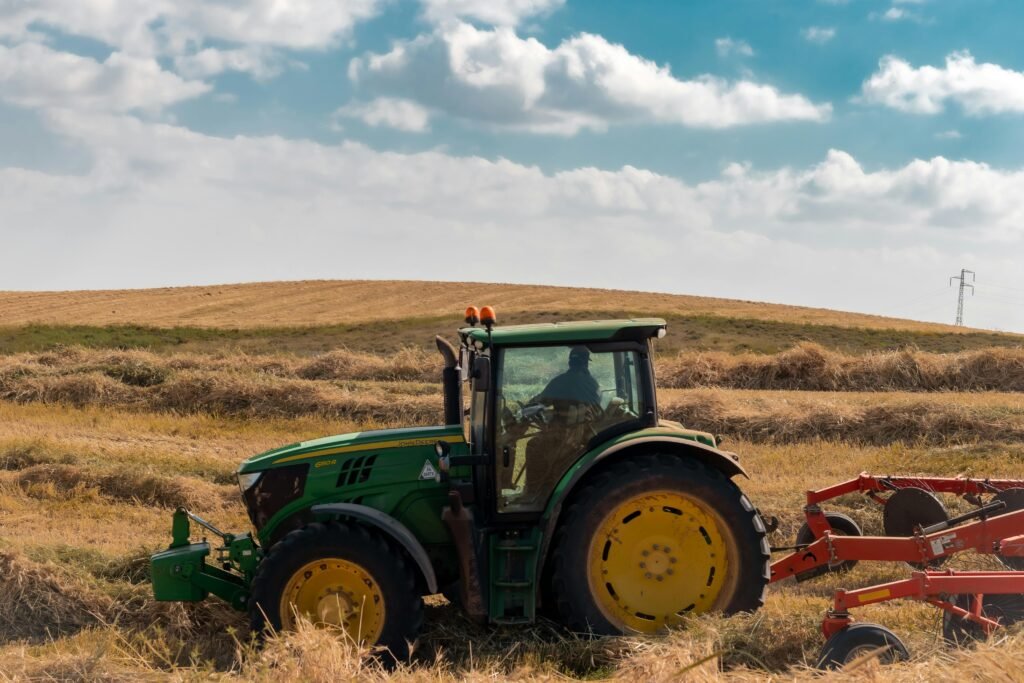
A compact tractor (20–35 HP) starts making genuine sense between 7 and 10 acres when mowing, material hauling, or fencing work happens regularly. New compact tractors in this range: $18,000–$35,000. Quality used machines with documented maintenance history: $10,000–$22,000. Find your dealer before you find your tractor. The brand matters less than having a service department within a reasonable drive that will answer the phone when something breaks during your planting window.
Farm transport
Moving produce, tools, and supplies across expanding distances adds up to a meaningful daily time cost at this scale. A good four-wheel garden cart ($500–$1,200) solves this at the low end. A used utility ATV ($3,000–$6,000) solves it more completely and adds rough-terrain mobility for fence checking and far-corner access.
Irrigation
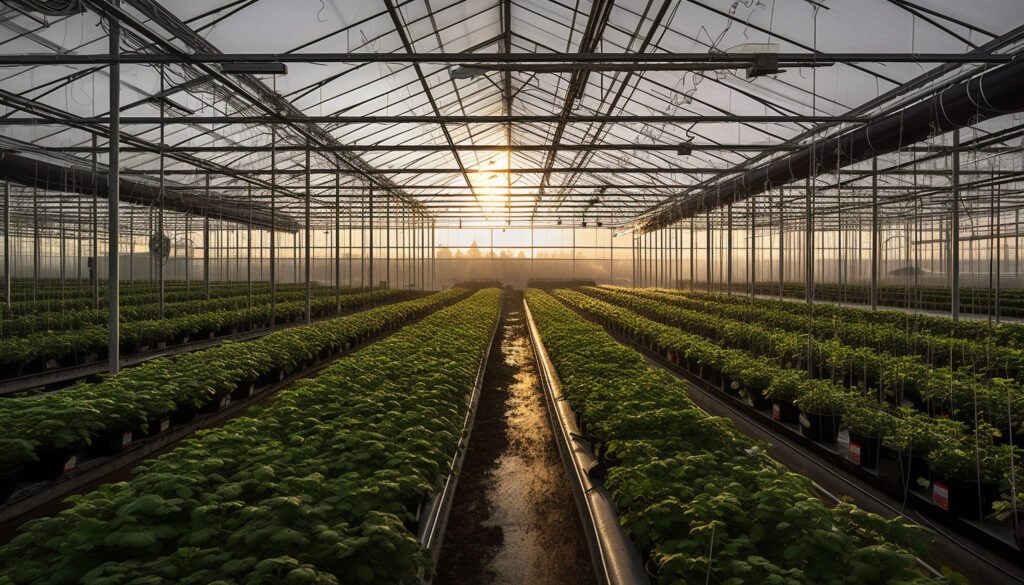
At 5 to 10 acres, irrigation needs to be properly designed rather than pieced together. The difference between a thoughtfully planned system with adequate mainline capacity, proper filtration, and zone control, and a collection of hoses added over time is real in daily efficiency and crop consistency. Budget $3,000–$8,000 for a well-designed system at this scale.
The rent-versus-own question
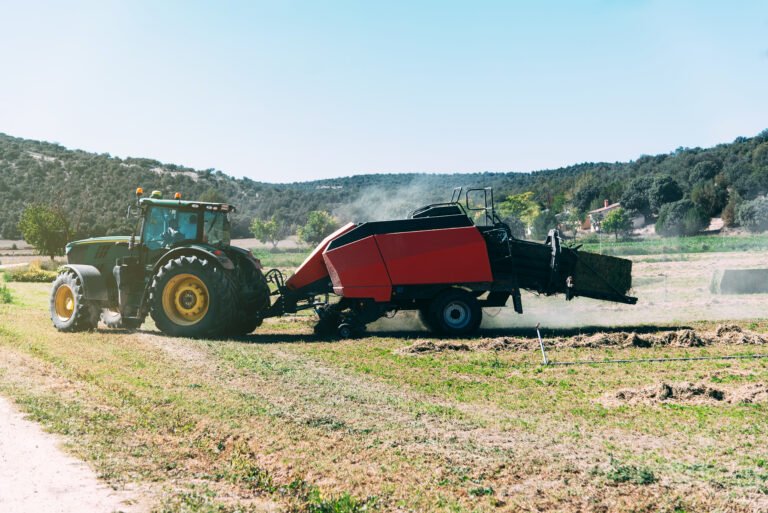
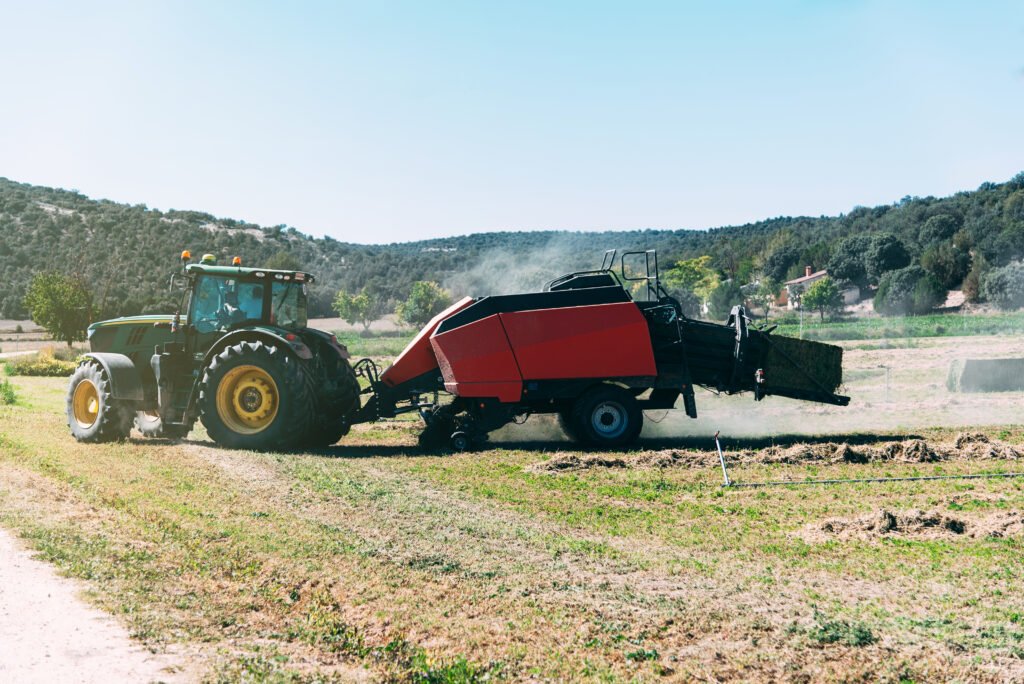
This is where it matters most. If you need to bale hay on 7 acres once a year, owning a baler is nearly impossible to justify. A used round baler alone starts at $8,000, plus storage, maintenance, and insurance. A custom operator handles 7 acres in an afternoon for less than $200 total. The same logic applies to large one-time ground preparation work and anything else you need fewer than four or five times per year.
10-20 Acres: When Mechanization Stops Being Optional
At this scale, a four-wheel compact tractor stops being optional and becomes foundational. Across 10 to 20 acres, the workload in most production systems outpaces what walk-behind equipment and hand tools can handle efficiently. Mowing, tillage, and material handling occur often enough and over enough ground that the tractor justifies its cost over the course of a season.
The practical range is 25 to 50 HP. For 10 to 15 acres with mixed tasks, a 25 to 35 HP compact tractor maneuvers well, fits tighter spaces, costs less to operate, and capably handles the demands of this tier. Moving up to 35 to 50 HP makes sense at the higher end of the range, especially if hay production requires running a disc mower regularly or if your tillage includes heavier, previously unbroken ground.
Expect to pay $18,000 to $45,000 for a new compact tractor, depending on brand and configuration. Used machines with solid maintenance records typically range from $10,000 to $25,000. The used market is well supplied, so don’t feel pressure to buy new. Check engine hours, request service records, inspect hydraulic lines and the three-point hitch for leaks, and run the tractor under load before committing.
Tillage implements
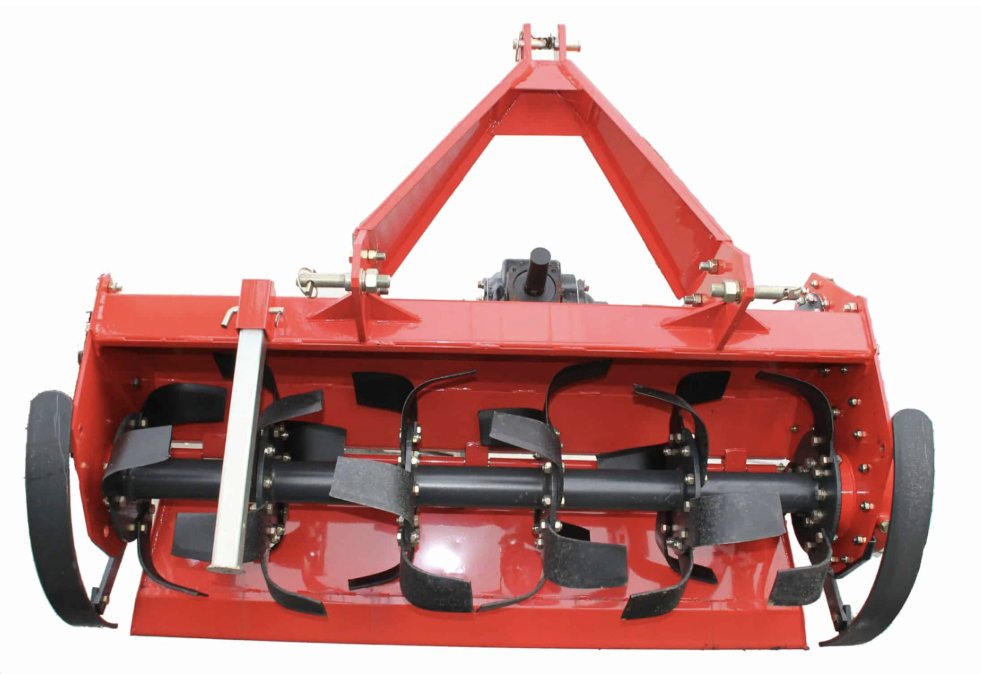
A 5 to 6 foot rear-mounted rotary tiller matched to your tractor’s HP is the workhorse for vegetable and row crop operations at this scale: $1,500–$3,500. A box blade for road and path maintenance: $800–$2,000. A chisel plow or subsoiler for periodic deep work to address compaction: $2,000–$5,000.
Mowing
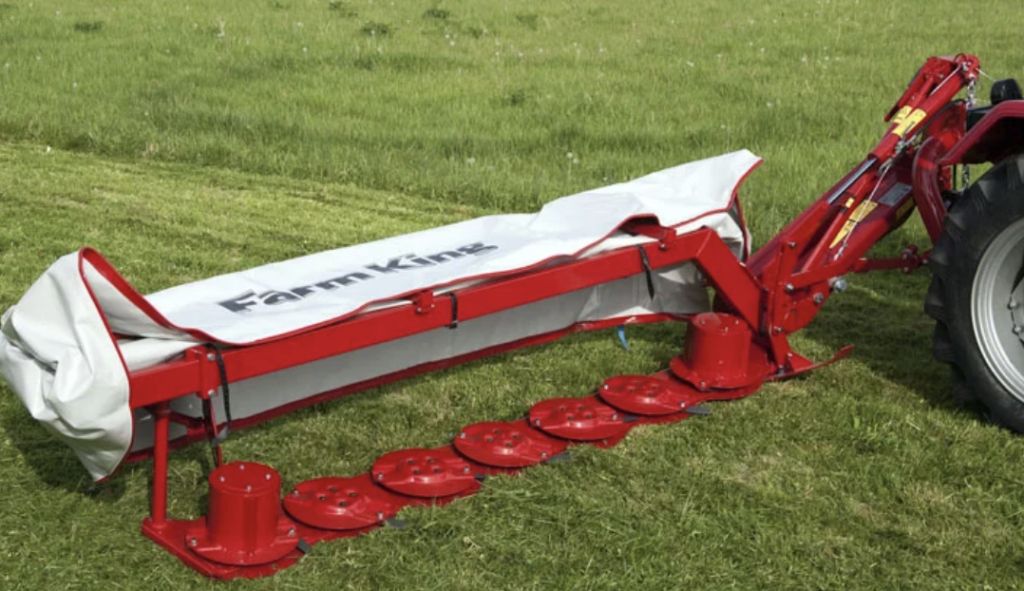
A 5 to 6-foot rotary cutter for pasture maintenance and rough clearing: $2,000–$4,500. If cutting hay, invest in a disc mower over a sickle bar disc mowers cut cleaner, handle rough terrain better, and leave the crop in better condition for drying. A decent used disc mower starts at $4,000.
Irrigation
At 10 to 20 acres, irrigation requires a designed system. Consider pressure requirements across your full field, zone sequencing to manage flow rates, filtration appropriate to your water source, and automation if your schedule doesn’t accommodate manual zone changes. Budget $8,000–$18,000 installed for a 10-acre vegetable operation. Don’t cut corners here; an undersized system that limits your watering reliability will cost more in crop losses than the savings are worth.
Post-harvest infrastructure
At this scale, cold storage and wash capacity are production constraints, not optional extras. Inadequate cold storage limits what you can harvest on any given day. A commercial-grade walk-in cooler: $8,000–$20,000 installed. A proper wash station with drainage and commercial-grade surfaces: $2,000–$6,000. Budget for these in years one and two, not year five.
20-50 Acres: Operational Equipment for a Real Farm
At this scale, equipment decisions carry genuine financial weight. The wrong tractor doesn’t just cost money; it shapes what you can accomplish for the next five to seven years. The right decisions, made carefully and in the right sequence, set you up for a stable, productive operation.
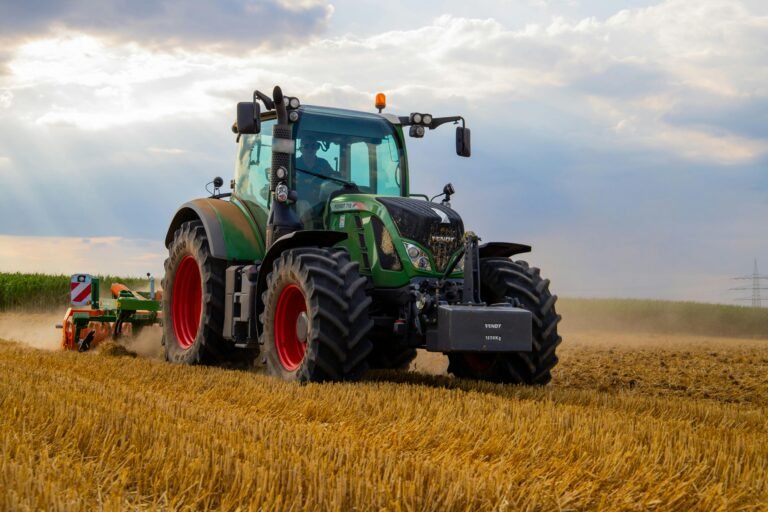
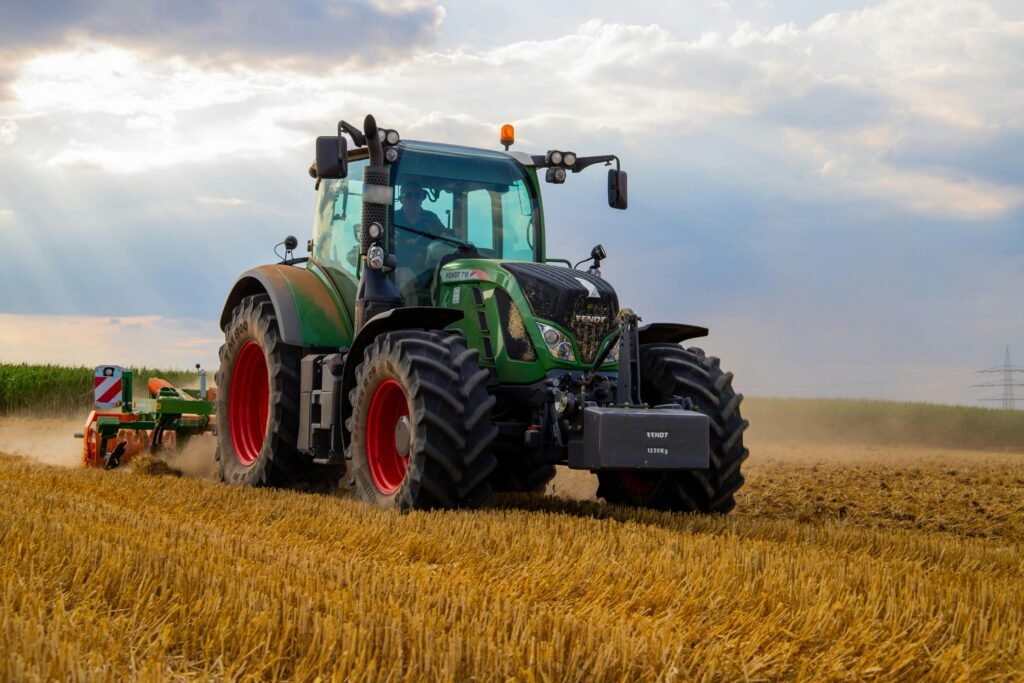
The primary power unit for most 20 to 50-acre operations is a utility tractor in the 40 to 70-HP range. A 40 to 55 HP machine handles a mixed 25 to 35 acre operation well, disc mowing for hay, rotary cutting for pasture, heavier tillage, material handling with a loader, and the implements needed for sustained daily work. At 40 to 50 acres with significant hay production or heavier tillage demands, 55 to 70 HP gives you meaningful additional capacity.
New utility tractors: $30,000–$60,000. Quality used: $18,000–$40,000. At this investment level, the dealer relationship matters as much as the machine. A broken tractor during hay harvest on 40 acres costs real money every day it sits idle. Your dealer needs to get a technician to you quickly, have parts in stock, and provide a loaner when the repair takes time. Ask about all of this before you buy, not after.
Hay and forage equipment
If you’re cutting 20 or more acres of hay annually, owning your primary hay equipment starts making economic sense relative to custom hire. A used disc mower in good condition: $5,000–$12,000. A wheel rake or rotary tedder: $3,000–$8,000. A round baler: $8,000–$25,000, depending on age and capability. Below 15 to 20 hay acres, the math usually still favors custom hire when you account for storage, maintenance, and the opportunity cost of the capital. Run your own numbers before making the call.
Pasture and land management
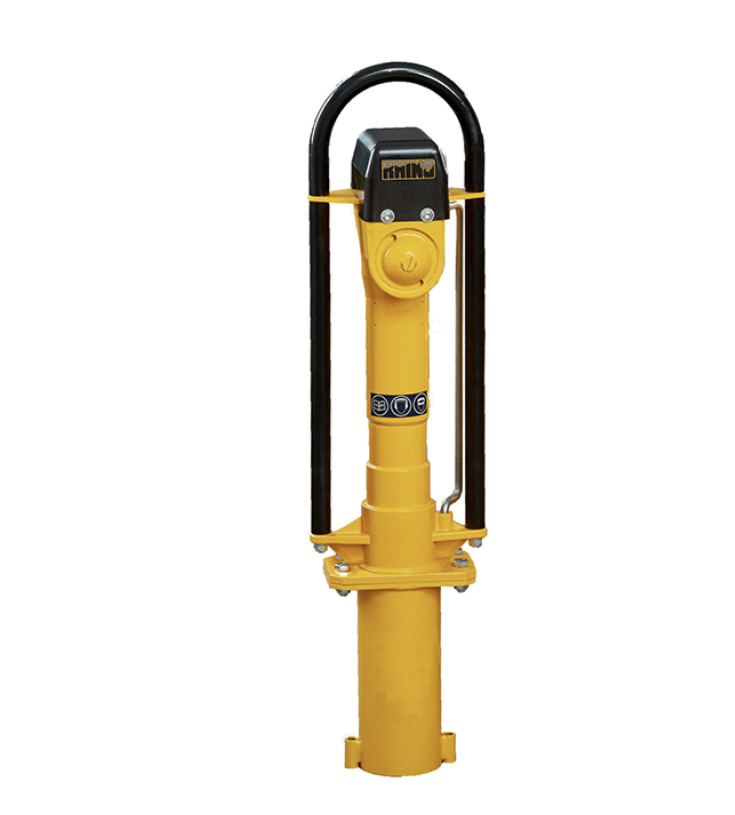
A 6 to 8-foot rotary cutter for regular pasture maintenance: $3,500–$7,000. A fertilizer or lime spreader for pasture fertility management: $1,500–$5,000. A hydraulic post driver for efficient fence installation: $5,000–$12,000 for a tractor-mounted model.
Tillage
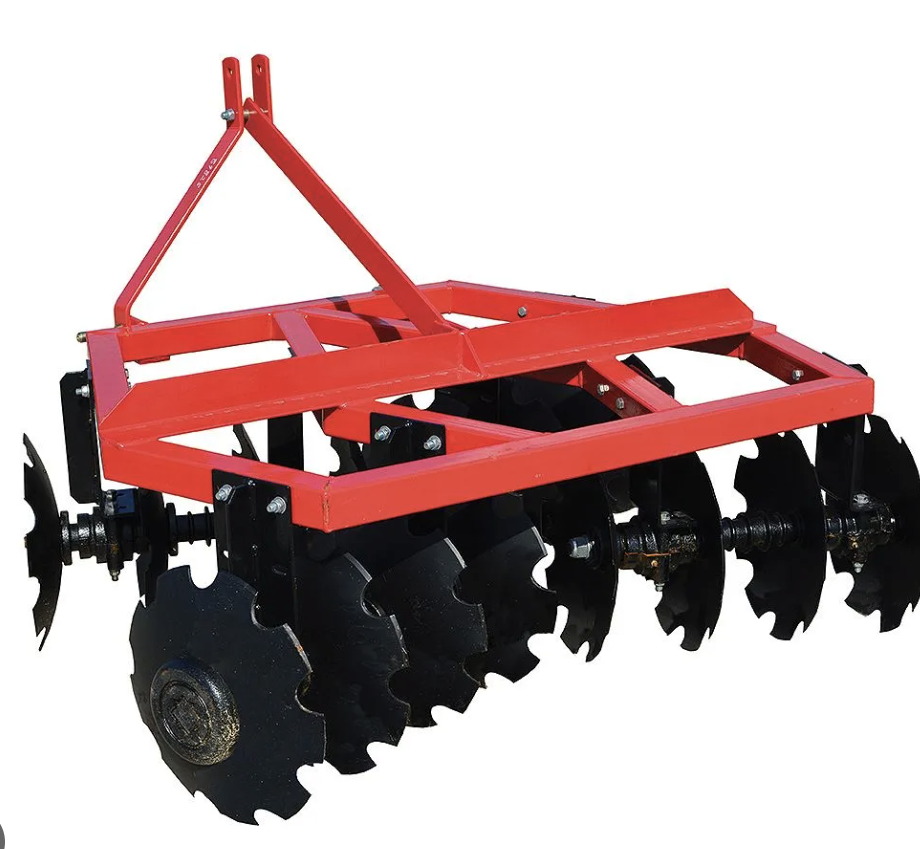
A disk harrow for secondary tillage preparation and a chisel plow for addressing compaction cover most ground preparation needs for row crop or cover crop production at this scale: $4,000–$15,000, depending on implement size and condition.
Rent versus own at this scale
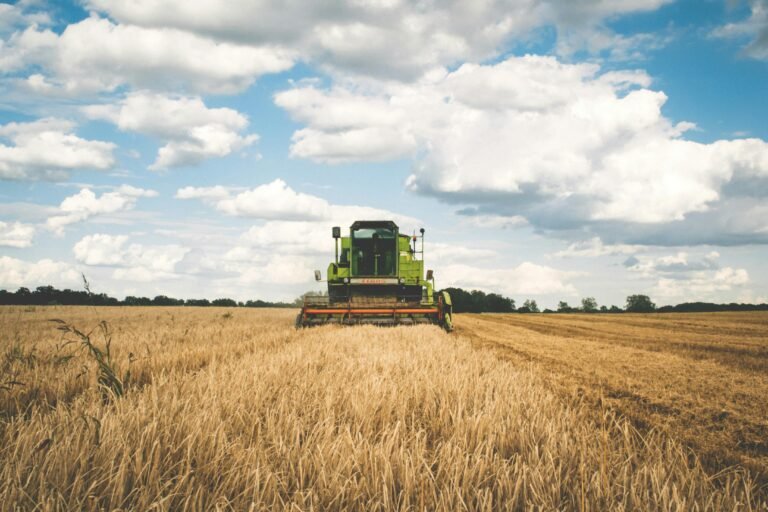
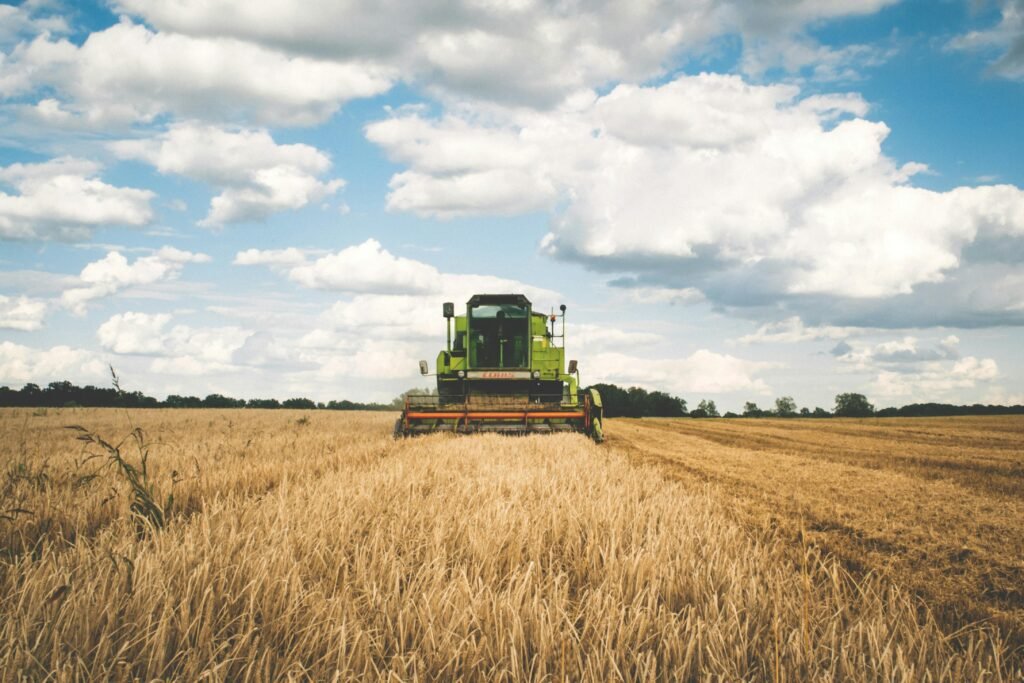
Large specialized equipment used once or twice per season is still usually more economical to rent or custom-hire than to own. A grain combine, specialty harvest equipment, or equipment for a crop enterprise you’re trialing, these are candidates for custom hire even at 30 or 40 acres. Carrying costs on infrequently used equipment are real regardless of your farm size.
The Mistakes That Cost Farmers at Every Scale
Buying based on what a farm might need someday rather than what it needs right now: This is responsible for more financial stress on beginning farms than almost anything else. Your equipment should serve the farm you have today.
Overlooking the importance of the dealer: The best machine from a brand with no local service presence is a worse investment than a slightly less impressive machine from a brand with a dealer twenty minutes away who has a mobile service truck.
Underinvesting in hand tools and overinvesting in machinery, especially early: On farms under 10 acres, the return on a $70 quality stirrup hoe often exceeds the return on a $10,000 implement in terms of daily productivity.
Ignoring post-harvest infrastructure: Cold storage and washing capacity directly determine the quality and shelf life of everything you sell. Farmers who delay this investment often lose more in product quality and market reputation than the infrastructure would have cost.
Not accounting for true equipment cost: The purchase price is only part of what equipment costs. Add fuel, insurance, maintenance parts, storage, and your time for routine servicing. For older used equipment, add a realistic repair reserve. Equipment that looks affordable at purchase can become expensive to operate.
Buying the first option instead of the right option: Take time with major purchases. Talk to other farmers running similar operations at similar scale. The equipment that serves your farm well for seven years is worth spending an extra month to find.
How to Phase Your Purchases Without Getting Overwhelmed
Start with a task list, not a shopping list. Write down every recurring task your farm requires. For each one, note how often it happens and roughly how long it takes you right now. That list tells you where your biggest time investments are and where equipment would have the most impact.
In your first year, cover the core production functions your farm cannot operate without. In your second year, address the productivity bottlenecks your first season revealed, because they will be different from the ones you predicted. From year three onward, expand your equipment capacity as your income supports it.
Budget roughly 60 percent of your equipment spending in any given year to your primary power unit or most critical production tool, 30 percent to attachments and implements, and 10 percent to hand tools and consumables. Keep 15 to 20 percent of your total equipment budget as a contingency reserve, for the right used piece that shows up unexpectedly and for the repairs that always come.
Review your equipment annually against actual usage. If something sat in the barn for most of the season, it earned its spot only if there’s a clear reason it will be used more next season. If there isn’t, sell it and put the capital to work on something that will.
Quick Reference: Equipment by Acreage
2-5 Acres
Core needs: Broadfork, bed preparation rake, rear-tine tiller or walk-behind tractor, stirrup hoes and wheel hoe in multiple widths, push seeder, drip irrigation, electric backpack sprayer, harvest bins and cart, basic cold storage.
Worth considering: BCS two-wheel tractor with power harrow. Tine weeder for dense direct-seeded crops.
Hold off on: Four-wheel tractor unless specific pasture or heavy hauling needs justify it. Any hay equipment.
5-10 Acres
Core needs: Everything from the 2-5 acre tier, plus a walk-behind tractor if not already owned, a utility cart or ATV, an expanded drip system designed for full farm coverage, and fencing infrastructure if any livestock.
Worth considering: Compact tractor (20-35 HP) if mowing, material hauling, or pasture demands are regular and recurring.
Hold off on: Full utility tractor. Baler, custom hire is almost always more economical. Major tillage equipment beyond what current production requires.
10-20 Acres
Core needs: Compact tractor (25-50 HP) with front loader and three-point hitch, rotary tiller matched to your row system, rotary cutter or disc mower, designed irrigation system, post-harvest cold storage, and wash infrastructure.
Worth considering: Disc mower if producing hay. Toolbar cultivator for row crops. Fertilizer spreader. ATV for farm transport.
Evaluate carefully: Baler ownership versus custom hire based on your actual hay acreage and honest cost-of-ownership math.
20-50 Acres
Core needs: Utility tractor (40–70 HP) with front loader and full implement capacity, hay and forage equipment if cutting 20+ acres annually, designed irrigation infrastructure, commercial cold storage, and post-harvest capacity. Worth considering: Round or square baler once hay acreage justifies the ownership math. Advanced irrigation automation. Specialized harvest equipment for your dominant crop. Still evaluate: Any equipment used fewer than four to five times per season, custom hire often remains more economical for infrequent specialized work, even at this scale.
Conclusion
Getting your equipment right is not about having the most. It’s about having what fits, what fits your land, your tasks, your budget, and where your farm is right now. The farmers who build the most stable operations are rarely the ones who went all-in on equipment in year one. They’re the ones who spent carefully, paid attention to what their farm actually needed, and built their toolkit with the same patience and intention they brought to the land.
That’s the kind of farming we’re here to help you do.
Frequently Asked Questions About Small Farm Equipment by Acreage
What equipment do I need for a 5-acre farm?
For 5 acres, most farmers need high-quality hand tools, a rear-tine tiller or walk-behind tractor, drip irrigation, transport solutions like a utility cart or ATV, and post-harvest infrastructure. A four-wheel tractor is often unnecessary unless you have pasture, livestock, or significant mowing needs.
Do I need a tractor for 10 acres?
For 10 acres, a compact tractor (25-35 HP) usually becomes practical, especially for mowing, tillage, and material handling. However, intensive vegetable farms with multiple workers may still operate efficiently with walk-behind equipment depending on production style.
What size tractor is best for 20 acres?
For 20 acres, most operations benefit from a 25-50 HP compact tractor. Farms producing hay or managing larger pasture areas may lean toward the higher end of that range for additional power and implement capacity.
Is owning a baler worth it on small acreage?
Owning a baler usually makes financial sense once you are cutting 20 or more acres of hay annually. Below that threshold, custom hire is often more economical when you factor in storage, maintenance, and repair costs.
How much does small farm equipment cost by acreage?
Costs vary widely by production type, but as acreage increases, mechanization increases. A 2–5 acre farm may invest a few thousand dollars in tools and small equipment, while a 20–50 acre farm may invest $30,000–$80,000 in tractors and implements over time. Phased purchasing reduces financial strain.