
Every equipment choice has a major impact on soil health, sustainability, and cash flow when managing
a small farm of 2 to 50 acres. A critical decision in such a situation is whether you invest in a rototiller vs
plow for small farms.
This decision is not limited to tools alone, but also about selecting the appropriate system for your
budget, land, and labor capacity.
Small farmers have to deal with tighter capital, limited tractor horsepower, and diverse crops. To make
things easier for you, we will discuss the comparison between the rototiller vs plow for small farms,
Provide budgeting insights and share a framework you can use to make your decision.
Understand the Major Difference
The major difference between a rototiller vs plow for small farms is in soil mixing and inversion. This
distinction impacts weed control, soil biology, long-term structure, and fuel use.
What Is a Rototiller?
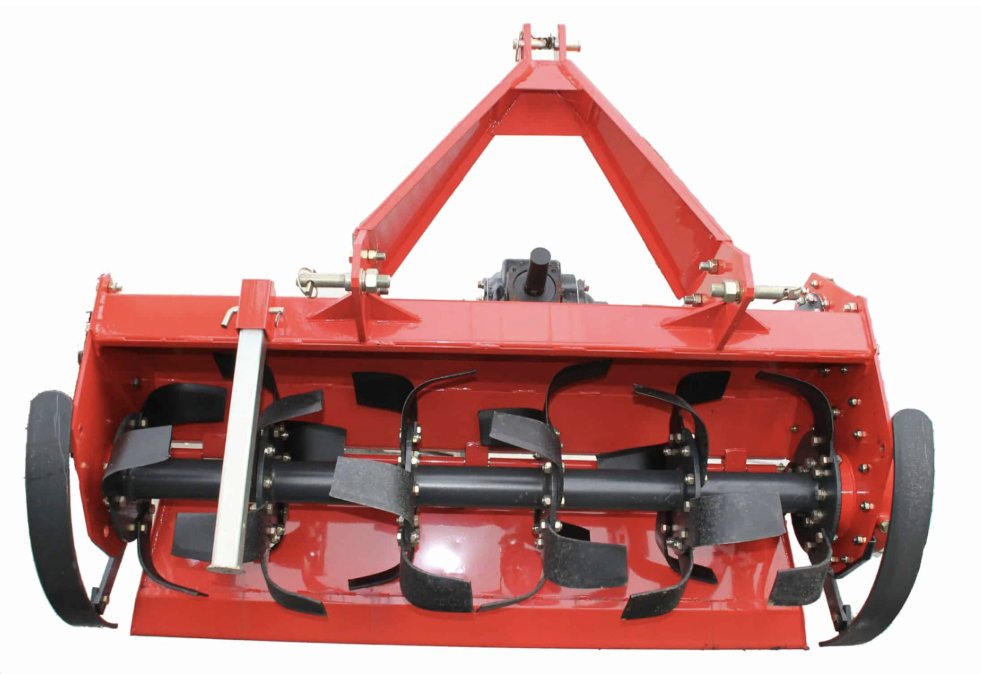
A rototiller chops and blends the top 4-8 inches of soil, using spinning tires powered by a PTO shaft to
break and mix the soil into a fine seedbed. As demand for efficient soil preparation continues to rise, this
industry is expected to grow at a CAGR of 6.5% between 2026 and 2034.
What Is a Plow?
On small farms, a plow is used to deeply cut into the soil by flipping it over in sections. Moldboard plows
are most commonly used for burying residue, weeds, surface debris, and inverting soil layers. In fact,
reports suggest that in 2025, the plow market size was $1.12 billion, and in 2026, it’s going to be $1.18
billion.
Consider Soil Structure
Soil structure should drive your rototiller vs plow for small farms more than convenience and speed. The way you farm affects soil structure, drainage, and long-term productivity, so it’s important to think beyond seasonal crops.
With Rototiller
The equipment mixes and loosens the topsoil layer. This creates an ideal planting bed for many small farming operations. Here are the key advantages and drawbacks to consider:
Advantages
● Quickly creates fine seedbeds
● Ideal for shallow-rooted crops
● Excellent for producing intensive vegetables
Disadvantages
● Overusing it creates hardpan
● Destroys soil aggregates with repeated passes
● Also reduces earthworm populations over time
● Moreover, frequent shallow tillage also leads to compaction just below the tilled layer.
● Small farms that till annually for growing vegetables must monitor tilling depth and avoid repeated passes in the same zone.
With Plow
Plows work deeper in inverting soil layers, having different long-term effects. When considering the best soil preparation method for small-scale farming, prioritize structural stability and long-term life with the following advantages and disadvantages:
Advantages
● It breaks compacted layers
● Effectively buries crop residue
● Resets fields with heavy weed pressure
Disadvantages
● Disrupts soil biology
● Increases erosion risk
● To make smooth seedbeds, additional passes are required
Comparing Equipment Cost
Whether you choose between a rototiller vs plow for small farms, your choice should protect your cash flow and reduce hidden expenses over time. Let’s take a look at the real-world cost factors that small operators experience:
Purchase Cost
The upfront pricing is usually the first consideration for small farmers. The initial purchase price of the plow is typically less. However, tractor compatibility also matters, and if your tractor isn’t suited, upgrading it could erase those initial savings.
A new 5-6 ft PTO Rototiller model will cost approximately $2249, requiring lower horsepower of between 25-40 HP.
In comparison, a new 2 or 3-bottom plow is estimated between $2800 to $4824 and needs 35-60 HP, depending on soil conditions.
Fuel and Operating Costs
Daily operating costs also separate short-term savings from long-term efficiency. Evaluate the total system cost when comparing a rototiller vs plow for small farms:
Rototillers consume higher fuel per acre and have multiple moving parts that require maintenance. The tines also wear out over time and need replacement.
Plows, on the other hand, emerge with a lower mechanical complexity. This tool has fewer components and requires an additional secondary tillage, like a harrow or disc. And, at least one follow-up pass, which adds time, labor, and fuel.
The Time Efficiency on 2–50 Acres
Time is one of the most limited resources on a small farm. When planting, harvesting, irrigating, repairing, or even marketing yourself, equipment’s time efficiency matters. In the rototiller vs plow for small farms comparison, this factor heavily depends on the acres and cropping intensity.
Rototiller – It’s designed to remain efficient in smaller spaces, requiring one to two passes. In the end, you have a plant-ready soil perfect for market gardens. Because it mixes and refines soil in a single operation, the preparation steps are reduced. On farms under 10 acres, they often win, especially when producing vegetables.
Plow – Plowing is a multi-step process. The method requires an initial plowing pass, follow-up discing, and possibly harrowing. For small farms, approximately between 20 and 50 acres, plowing systems are better as they move more soil per pass.
Weed Controls
Weed pressure determines the best soil preparation method for small-scale farming. Evaluate the types of weeds, like grass, broadleaf, or deep-rooted perennials, that are dominating your field. Your decision between a rototiller and a plow for small farms can reduce this pressure or multiply it.
Rototiller
The equipment chops weeds into the soil, spreads perennial roots, and also stimulates weed germination.
Using a rototiller is effective for light annual weeds. However, bindweed or quackgrass may spread if you cut and redistribute their roots. Frequent shallow tillage also brings dormant seeds to the surface, triggering new growth cycles.
Plow
This machinery takes a completely different approach by flipping soil layers. This equipment inverts the soil, suppressing the weeds for an entire season. It also deeply buries weed seeds, disturbs perennial root systems, and is effective for heavy infestations.
Crop Type Is Important
Your decision between rototiller vs plow for small farms should align with what you grow, how you plant, and how frequently you rotate fields. Matching equipment to the type of your crop reduces labor, improves yields, and also protects soil structure over time.
Vegetable and Intensive Crops – High-value vegetable farming demands a consistent soil texture and refined seedbeds.
For carrots, lettuce, spinach, onions, and other shallow-rooted vegetables, small farms can count on rototillers as the best soil preparation method for small-scale farming. These produce fine seedbeds and easier transplantation.
Because these crops depend on even soil contact, the rototiller creates a smooth finish that can improve emergence rates. This tool’s efficiency is good news for farms focused on market gardening.
Field Crops and Grains – Soybeans, corn, wheat, and cover crops may perform well with plow-based systems, especially on larger acres. Plowing helps prepare larger fields; this is where the rototiller vs plow for small farms becomes crop-dependent rather than machine-dependent. true cost of a rototiller vs plow for small farms, years later, in soil structure, organic matter levels, and
Long-Term Soil Sustainability
Small farmers must consider decades, not just seasons, before choosing equipment. You will notice the drainage.
What Repetitive Plowing Does
While deep inversion solves immediate problems, overusing it also creates new issues. Repetitive plowing increases erosion and decreases microbial diversity.
Annually, flipping soil layers exposes organic matter to rapid breakdown, leaving the soil more vulnerable to wind and water erosion.
So, occasional plowing resets the compacted ground, but the repeated disturbance also weakens the soil resilience.
Impact of Frequent Rototilling
Shallow tillage appears gentler, but frequent rototilling poses risks. It creates compaction layers and even breaks the soil structure, where, over time, a hardpan forms just below the tilled depth. This restricts root growth, water infiltration, and after rainfall, pulverized soil also becomes more prone to crusting.
Follow A Balanced Approach
The best soil preparation method for small-scale farming involves following a moderate approach.
➢ Plow occasionally, every few years
➢ Do cover cropping
➢ Limited rototilling
➢ Add organic matter
➢ This protects soil for the long haul
Real-World Decision Framework
A rototiller vs plow for small farms decision should never be guesswork. Therefore, use this framework to match equipment to your long-term goals:
Identify Your Acreage – A rototiller will suffice for 2-10 acres of intensive vegetables. However, if you have 10-50 acres of mixed crops, consider a plow system. Smaller, high-value plots benefit from speed and precision.
Evaluate Soil Type – Sandy soil is rototiller-friendly, whereas a plow is better for heavy clay. Clay soil responds better to deeper inversion, especially with limited drainage.
Assess Weed Pressure – Weed’s history also matters. A rototiller is for light annual weeds, and a plow system for assessing perennial infestation.
Budget Reality – If your tractor is under 30 HP, a plow may not suit you. The rototiller vs plow for small farms, the decision must match the tractor’s horsepower capacity.
Long-Term Plan – Purchase rototillers for building permanent beds and plows to rotate large fields annually.
The Hybrid Strategy
Many professional small farmers realize that the rototiller vs plow for small farms debate is useless. It’s better to embrace flexibility as that allows you to use each tool where it performs best, delivering better long-term results. The hybrid strategy also protects soil health, controls costs, and manages weeds.
Plow to Break New Ground
Plowing helps reset reclaimed neglected fields or transition raw land. The tool buries heavy residue and suppresses aggressive weeds, creating a workable base for future cropping.
Disc and Smooth
Discing breaks large soil clouds and levels the surface. This method improves seedbed texture, reduces air pockets, and prepares the field for planting, giving a refined land.
Light Rototilling To Maintain
Once the field is set, light rototilling maintains the bed and prepares seasonal plantings. It reduces deep disturbance, supports intensive cropping, and saves fuel. Such a balanced approach may represent the best soil preparation method for small-scale farming when putting new land into production.
Budget Planning for Small Farmers
Imagine a 15-acre diversified farm.
Option A – Rototiller System
● 6-ft tiller approximately $2,800
● Annual tine replacement estimated at $200
● Uses more fuel
Option B – Plow with Disc
● 2-bottom plow estimated at $1,200
● Disc harrow costs approximately at $2,000
● It provides lower wear costs
When assessing rototiller vs plow for small farms, also look at:
1. The total implementation package
2. Compatibility of your tractor
3. Labor availability
4. Crop rotation plan
Which is Better: A Rototiller vs Plow for Small Farms?
There is no clear winner between a rototiller vs plow for small farms. Select a rototiller if your farm is under 10 acres, you focus on producing vegetables, and want a faster seedbed preparation.
However, if you manage a small farm and rotate field crops, go for a plow. The best soil preparation method for small-scale farming depends on the crop system, soil type, and budget.
Frequently Asked Questions
Is a rototiller or a plow better for small farms?
In this comparison, rototillers are ideal for small vegetable operations. Plows are better for large acres.
What is the best soil preparation method for small-scale farming?
It combines occasional plowing, limited rototilling, cover crops, and organic matter management to protect soil health.
Does a rototiller cause soil compaction?
Repeated shallow tillage creates hardpan layers below the tilled depth.
When should a small farmer use a plow?
Use a plow to break new ground, manage severe weeds, or correct deep compaction.