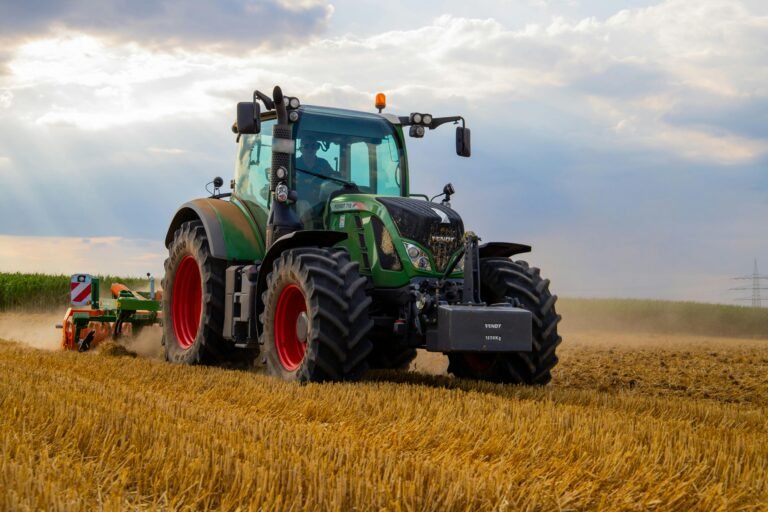

Your 20-year-old tractor has just started coughing black smoke clouds right as the planting window is about to shrink to a 48-hour dry spell.
Now, do you call the local mechanic or start looking at the dealership lot?
For a small farmer in 2026, these choices are tough and can affect their finances significantly.
Also, new machinery prices are going up, and used equipment is harder to find.
So when it’s time to decide whether to fix your current machine or buy something new, it will take more than just a gut feeling.
This guide covers the facts you need to keep your farm profitable and running smoothly once the weather clears up.
Evaluating Repair vs Replace Farm Equipment — The 50% Rule
The “50% rule” is a good starting point when you get a big repair estimate.
In simple terms, if a single repair costs more than half of the machine’s value, it might be time to consider trading it in. In the current market, you have to look more closely at repair versus replace decisions for farm equipment, especially since used equipment values are higher than they used to be, even if the market is slowly stabilizing.
The “Tipping Point” Math
For this rule, check your trade-in value compared to a salvage price.
If a $20,000 engine repair is quoted for a tractor worth $35,000, you’re past the limit. At this point, you’re not just fixing a problem; you’re putting too much into a machine that’s nearing the end of its life.
Looking at Total Downtime
The repair bill is only part of the problem.
You also need to consider the “timeline cost,” which is the money you lose every hour the machine is sitting in the shop. Farm work has tighter schedules than ever.
If a breakdown causes you to plant late and lose yield, that “cheap” repair can be really expensive.
Keeping track of these hidden costs is a key part of a real Repair vs. Replace Farm Equipment plan.
The 2026 Resale Landscape
Some brands may have long waitlists for new equipment, while others may be slowing down.
This means your timing depends on what your local dealer has available. Using used equipment isn’t just a budget choice anymore; it’s a smart move. If your current tractor has low hours and high resale value, selling now to get a newer model with a warranty could help boost your 2026 profits.
Small Farm Machinery Maintenance — Keeping Your Fleet Running
Before signing a new loan, consider whether you’ve done the best job of maintaining the equipment you already own.
Good small farm machinery maintenance is the best way to avoid buying a new machine simply because the old one wasn’t properly cared for.
The “Daily Uptime” Checklist
Good upkeep isn’t something you do once a year—it’s a daily job. Use these steps to stay on top of things:
- Fluid Checks — Don’t just look at the dipstick. Check for metal flakes in the oil or cloudy hydraulic fluid, which could mean something is breaking inside.
- Heat Checks — Use a cheap laser thermometer to check bearings and gearboxes after working for a while. A hot bearing can cost $100 today and save you from a $5,000 fire tomorrow.
- Greasing Habits — In 2026, good grease is the cheapest insurance you can buy.
Make sure every fitting on your loaders and plows gets fresh grease every day to prevent dirt buildup.
Records Help You Sell Later
Keeping records is essential. Whether you use an app or a notebook in the shop, modern buyers want to know what they’re getting, especially for big investments like farm equipment.
Having a solid history of oil changes and repairs makes a buyer feel more confident and can help you get more money when you sell.
It also shows the next owner that the machine was well taken care of, not just used until it broke.
Farm Equipment Cost Analysis — More Than a Monthly Payment
A real farm equipment cost analysis considers the total cost of ownership, not just the monthly payment. You need to compare the known cost of a new loan against the unknown cost of fixing things that break in the middle of a field.
Comparison — Repair vs. Replace
| Feature | Repairing Old Iron | Buying New Iron |
| Upfront Cost | Lower (Parts and Labor) | High (Down payment) |
| Cash Flow | Hard to predict | Steady and planned |
| Technology | Basic and manual | GPS and data built-in |
| Warranty | None (short parts warranty) | 2 to 5 years of coverage |
| Fuel Use | Higher fuel and oil use | Better fuel efficiency |
Financial Strategy — Section 179 Tax Deduction 2026
Section 179 limits inflation-related changes, but you should talk to a tax professional or check the latest IRS rules before buying.
This rule allows you to write off a large portion of the purchase price in the first year.
Also, when doing your farm equipment cost analysis, if you’re in a 30% combined tax bracket, a $100,000 tractor effectively costs $70,000 after tax savings.
Deciding on Repair vs. Replace Farm Equipment Based on Tech
In 2026, technology often makes the choice for you. It’s not just about how much it can pull; it’s about the data it collects. For many small farms, “keeping it simple” is still a smart approach when deciding between repair and replacement.
The Benefit of “Pre-Emission” Iron
Many small farmers look for tractors made before 2011.
These don’t have the complex sensors that require a dealer’s computer just to clear a code. If you like turning your own wrenches, keeping an old mechanical machine running might be more practical than buying a new one if you can’t fix it yourself.
Right to Repair News for 2026
New rules from the EPA make it clear that the Clean Air Act shouldn’t stop you from fixing your own gear. This makes it harder for big companies to lock you out of your own machines. This change makes ago.
Is GPS Worth the Cost?
If your farm is growing, the fuel you save by not overlapping rows with a GPS can be huge. If the new planter saves 5% on seed and 10% on fuel, the machine basically pays for itself.
Smart Maintenance to Protect Your Money
Sticking to a small farm machinery maintenance plan is the best way to keep money in your pocket. By catching a problem when you first hear a noise, before the whole thing snaps, you save thousands of dollars.
The Farmer’s Toolkit for Success
1. Use Your Senses — You know your machine best. If it sounds different or feels weak, don’t wait for a light to come on the dashboard.
2. Oil Tests — For about $30, you can mail in an oil sample. It will tell you if your engine is wearing out from the inside before it actually fails.
3. Keep Pests Out — Mice do more damage to wiring than almost anything else. Use peppermint oil or traps to keep them out of the cab and engine bay.
Making Gear Last Longer
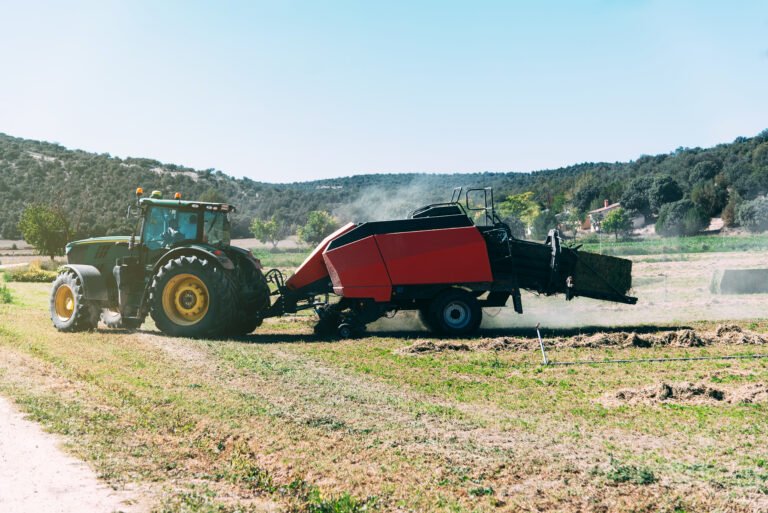
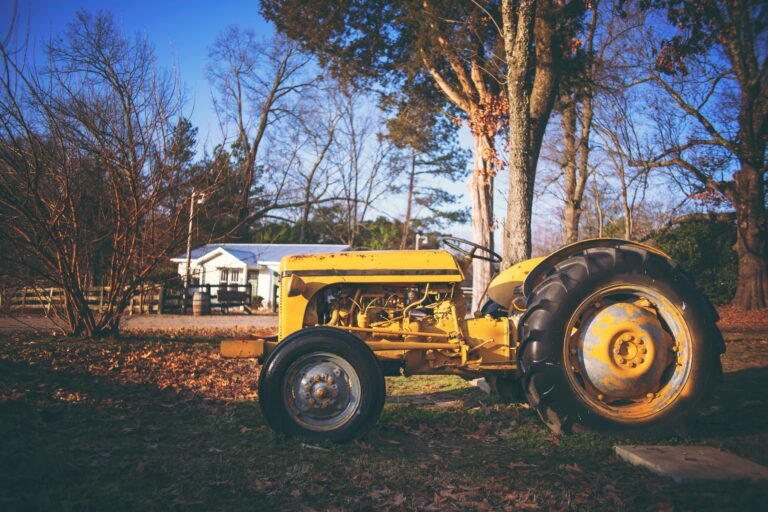
For tools like balers that sit for most of the year, the agricultural equipment life cycle is usually cut short
by rust, not work. Keeping frames off the ground and storing gear under a roof are the two best things
you can do to make sure your small farm machinery maintenance work actually pays off.
Final Checklist — Repair vs Replace Farm Equipment
Before you decide on Repair vs Replace Farm Equipment, ask yourself these three questions.
- Can I Get Parts? Is the company still making parts for this model? If a simple sensor takes a month to ship, that machine is a risk to your harvest.
- Is it Safe? Does it have a roll bar (ROPS)? If you have family or help driving the tractor, safety is a good reason to replace an old unit.
- How Does it Feel? If a long day in a vibrating seat makes you too tired to work safely, a newer, more comfortable cab might be worth the money for your used tractor vs new tractor ROI.
- The Next Five Years
Think about the long haul. If this fix gets you through 2026, but you know the engine will die in 2028, you’re just postponing the problem. Trading for a newer unit now, while used prices are high, might be the smartest move for your used tractor vs new tractor ROI.
Building a Long-Term Maintenance Plan
A good farm runs on small gains. If you want to do well, you have to stop seeing repairs as “bad luck” and start seeing them as planned costs. Having a well-established small farm machinery maintenance plan can help turn surprises into predictable investments.
The Repair Fund
Every hour a tractor runs, it gets closer to needing work. Smart owners set aside a “repair fee” (like $20 an hour) in a separate account. When something finally breaks, the cash is ready, and you don’t have to go to the bank for an emergency loan.
Knowing When to Walk Away
There is no harm in getting rid of a machine that is always broken. If a tractor is stressing you out and costing too much, it gets in the way of your farming. Using a clear Repair vs Replace Farm Equipment plan helps you take the feelings out of it and just look at the numbers.
The Value of a Grease Gun
Never forget that small farm machinery maintenance is the best-paying job you have. A farmer who spends 20 minutes a day checking things and greasing joints often makes more money than the guy who spends that time looking at new tractors he can’t afford. This little bit of care stops the big breakdowns that ruin a harvest.
Taking care of these daily tasks is like paying yourself a high hourly wage in saved repair bills and trade-in value. Buying a grease gun today is a much better move for a small farm than taking on a huge loan for a shiny new machine you don’t really need yet.
Harvest Your Profits, Not Your Savings
When it comes to choosing between new equipment and massive repairs, the choice is never easy. However, regardless of whether you use the 50% rule or opt for the section 179 tax deduction for a trade-in, the goal is to stay in the field. When it comes down to it, your hard work is what builds the farm, and smart management is what keeps it growing for the next generation.
FAQs — Answers to Common Equipment Questions
What is the 50% rule for farm gear?
You should trade it in if a single repair costs more than half of what the machine is worth.
How does Section 179 work in 2026?
It lets you write off most of the cost of new or used gear on your taxes the year you buy it.
What’s the better choice, new or used farm equipment?
It depends on your budget. New gear has a warranty, while used gear costs less upfront.
What is the highest hidden cost of a breakdown?
The money you lose because you couldn’t get into the field on time is usually much more than the repair bill.
Can I fix my own tractor emissions in 2026?
New rules say you can make repairs to keep the machine running, but you still can’t remove or “delete” emissions systems entirely.

Best Greenhouse Kit for 2026: A Buyer’s Guide for Every Gardener
If you’ve ever dreamed of stepping into a warm greenhouse in early spring, lush seedlings growing while frost still clings to the ground, you’re not
Soil Preparation Equipment for Small Farms
If you’ve tried soil prep equipment on your small farm and it didn’t quite work out, it can feel like a waste of time and
Seed Drill vs Broadcast Spreader: Which Is Better for Small Farms?
If you run a 2–50-acre farm, seeding is not just another task on a wet field; it’s one of the most important investments you make
Rototiller vs Plow: Which Is Better for Small Farms?
Every equipment choice has a major impact on soil health, sustainability, and cash flow when managing a small farm of 2 to 50 acres. A
Repair vs. Replace Farm Equipment — How to decide
Your 20-year-old tractor has just started coughing black smoke clouds right as the planting window is about to shrink to a 48-hour dry spell. Now,
Best Farm Equipment Financing Options (2026): 7 Ways to Get Approved & Save Money
Farm equipment financing for small farmers is no longer just about getting approved; it’s about choosing a funding path that protects your land, your cash