
If you’ve ever dreamed of stepping into a warm greenhouse in early spring, lush seedlings growing while frost still clings to the ground, you’re not alone.
Greenhouses are exploding in popularity heading into 2026. More small farmers, homesteaders, and serious gardeners are realizing one thing:
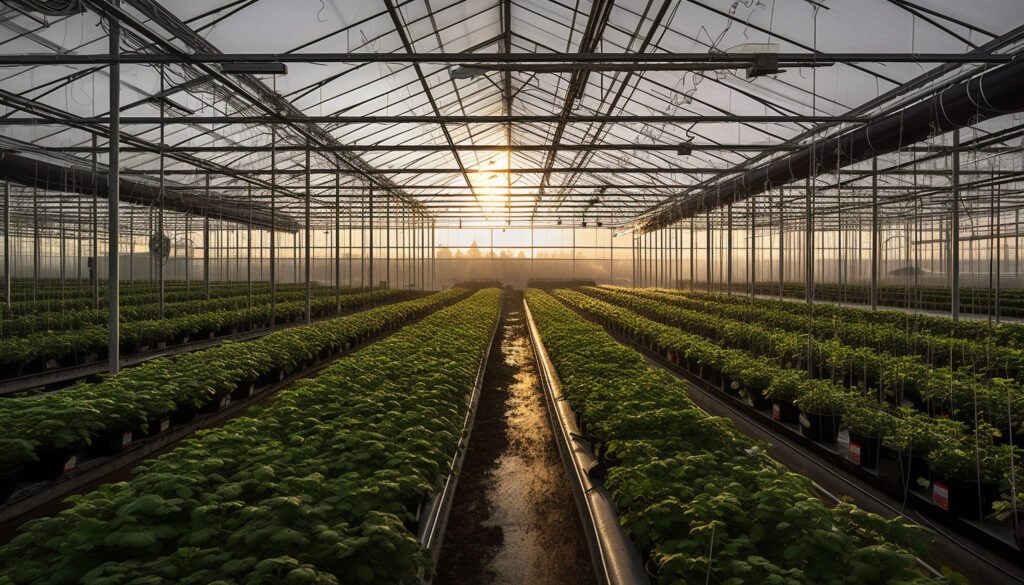
A greenhouse can extend your season, protect your crops, and increase your yield.
But here’s the truth most people don’t tell you…
A greenhouse is not magic.
It won’t automatically give you perfect plants or eliminate problems. It’s a tool, and like any tool, the results depend on how well you choose and use it.
This guide will help you do exactly that.
What Is a Greenhouse? (And How It Actually Works)
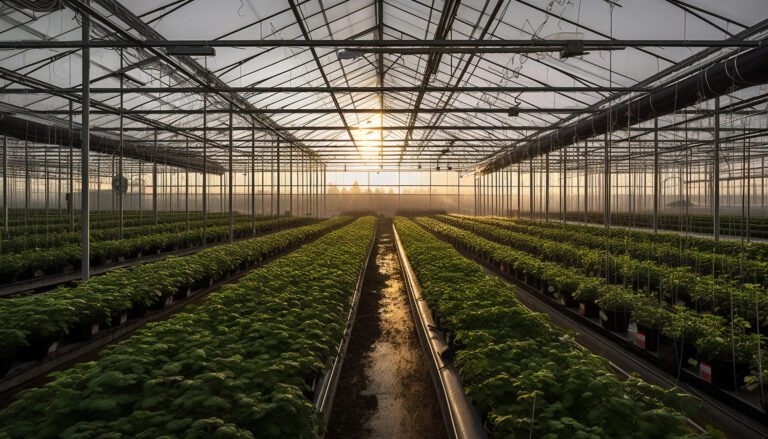
A greenhouse is a structure designed to trap heat from sunlight, creating a controlled environment for plants.
Here’s the simple science:
- Sunlight enters through transparent materials
- Heat gets trapped inside
- The internal temperature stays warmer than outside
According to Wikipedia, the greenhouse effect occurs when heat-trapping gases in a planet’s atmosphere prevent the planet from losing heat to space, raising its surface temperature
Why this matters for you:
- Start seeds earlier
- Extend your growing season
- Protect crops from pests and harsh weather
The Three Main Types of Greenhouse Kits
1. Hobby / Lean-to Greenhouse (Beginner-Friendly)
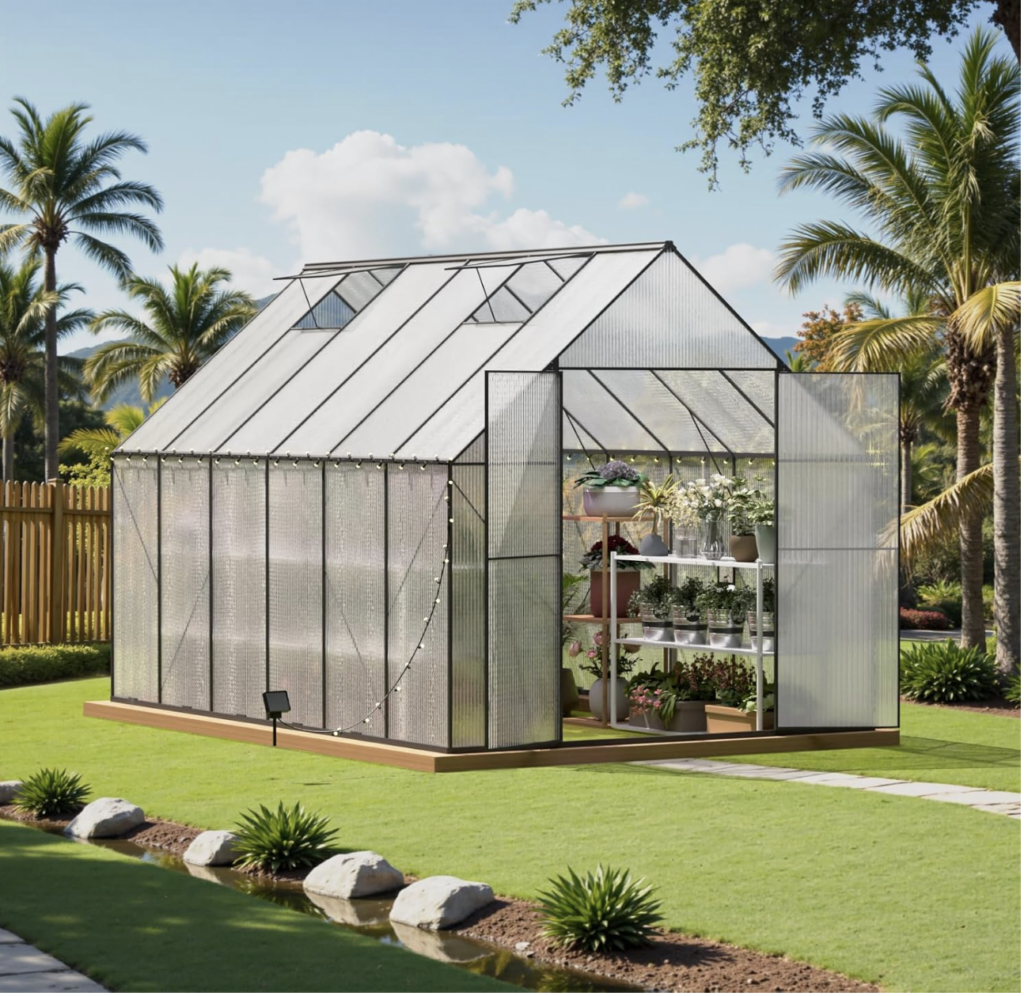
These are the classic “backyard greenhouse” structures you probably picture first, polycarbonate panels in an aluminum frame, either freestanding or attached to your home or garage wall. They look tidy, have a traditional peaked or slightly arched roof, and typically come in sizes ranging from 6×4 feet up to 8×16 feet or larger.
What it’s good for:
- Starting seedlings
- Growing herbs and small crops
- Backyard gardening
Features:
- Attached to a wall or stands alone
- Polycarbonate panels
- Compact and visually appealing
If you’re just getting started, this is the safest entry point.
2. Hoop House (High Tunnel) – Farmer Favorite
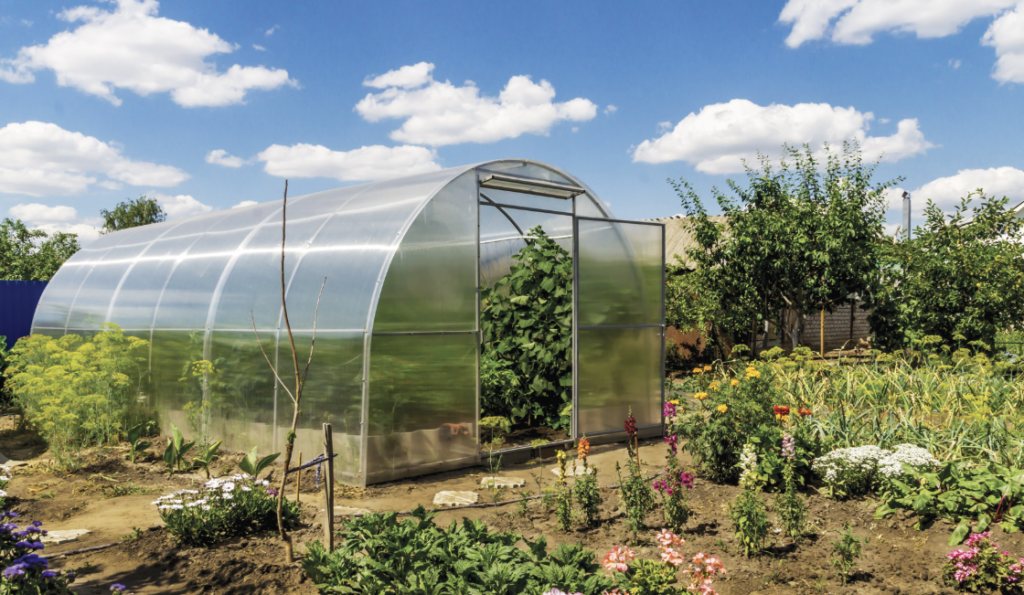
Hoop houses are exactly what the name suggests, arched metal hoops covered in a single or double layer of polyethylene film. They look more utilitarian than a hobby greenhouse, but don’t let that fool you. These structures are workhorses.
Features:
- Arched metal frame
- Covered with polyethylene film
- Often includes roll-up sides
Best for:
- Small farmers (2–50 acres)
- Market gardening
- Growing directly in the ground
- Scaling production
This is good for planting crops.
3. Gothic / Gabled Greenhouse
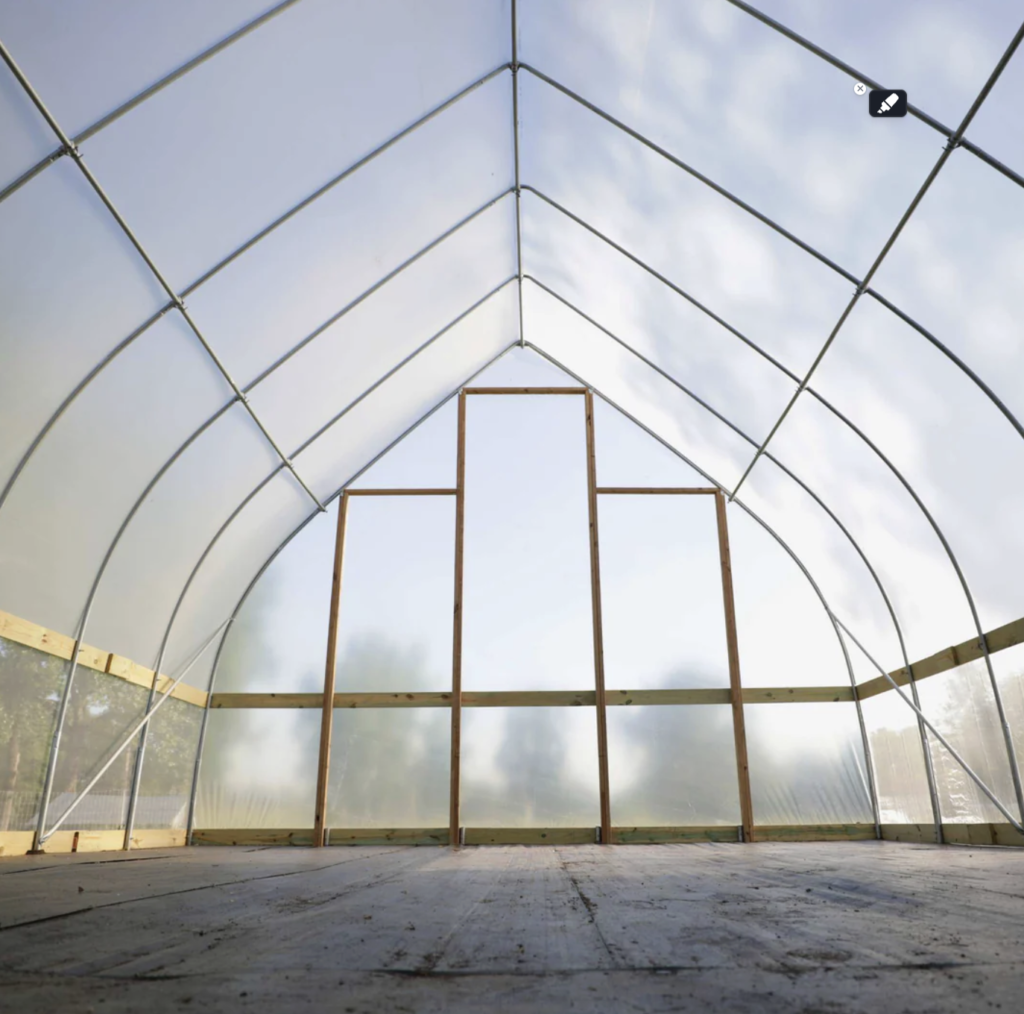
Gothic-style greenhouses have a distinctive high-peaked roof with curved sides that taper steeply downward. Gabled greenhouses have a conventional pitched roof with vertical sidewalls. Both share that important peaked roof structure. This design is good for winter.
Why it matters for 2026: With snowier, more unpredictable winters showing up across the northern U.S. and Canada, this style has become one of the most important things to consider when buying a kit.
Features:
- Peaked (pointed) roof
- Strong frame
- Better snow shedding
Best for:
- Northern regions
- Heavy snow areas
- Year-round growing
Best Greenhouse Kits (Budget to Luxury Picks)
1. AMERLIFE
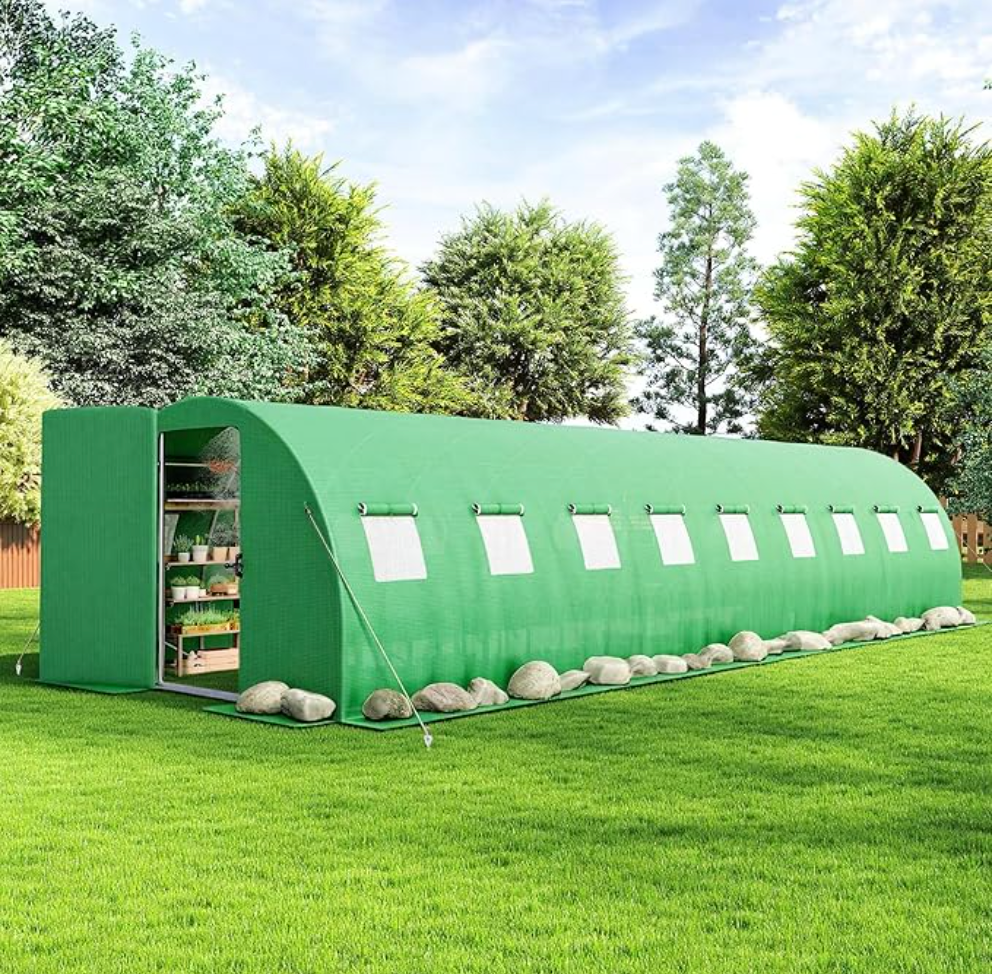
The AMERLIFE walk-in tunnel greenhouse with built-in sprinkler system is a practical option for growers who want to simplify their watering routine. Instead of setting up a separate irrigation system, the built-in sprinklers help maintain consistent moisture across your crops.
2. GFP Store
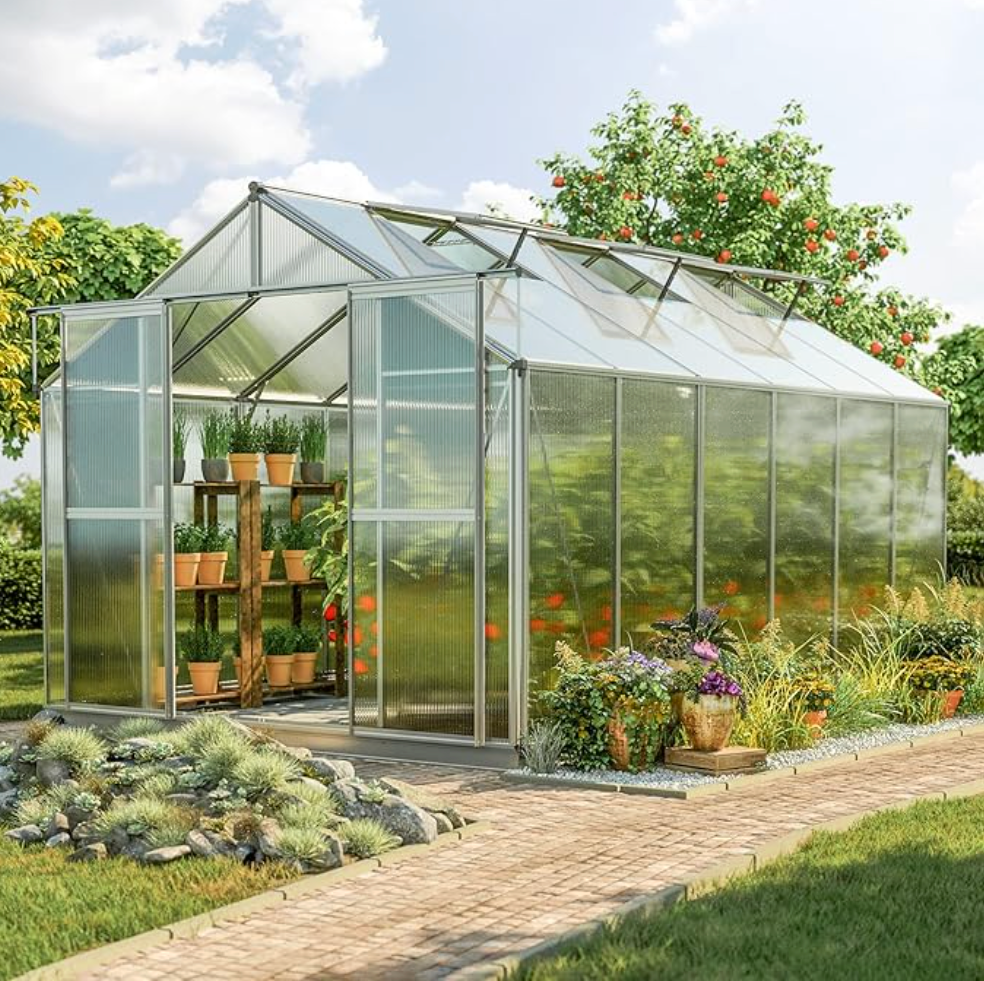
The GFP Topas-style greenhouse design focuses more on durability and long-term use rather than quick setup. It uses an aluminum frame paired with twin-wall polycarbonate panels, which are known for better insulation and light diffusion compared to basic plastic covers.
3. Plantagreenhouses
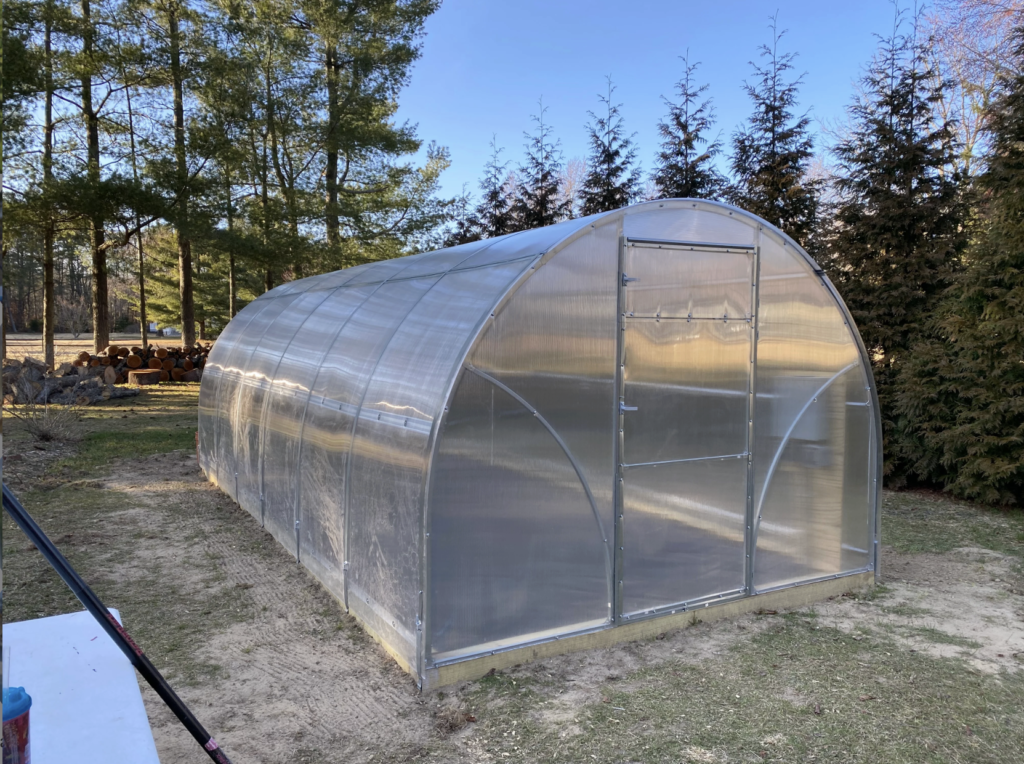
The Planta Sigma 20 is built with a curved, gothic-style frame that helps it handle tougher weather conditions, especially in areas with snow. Its galvanized steel structure is designed for long-term outdoor use, giving it an edge over lighter seasonal greenhouses.
4. AMERLIFE
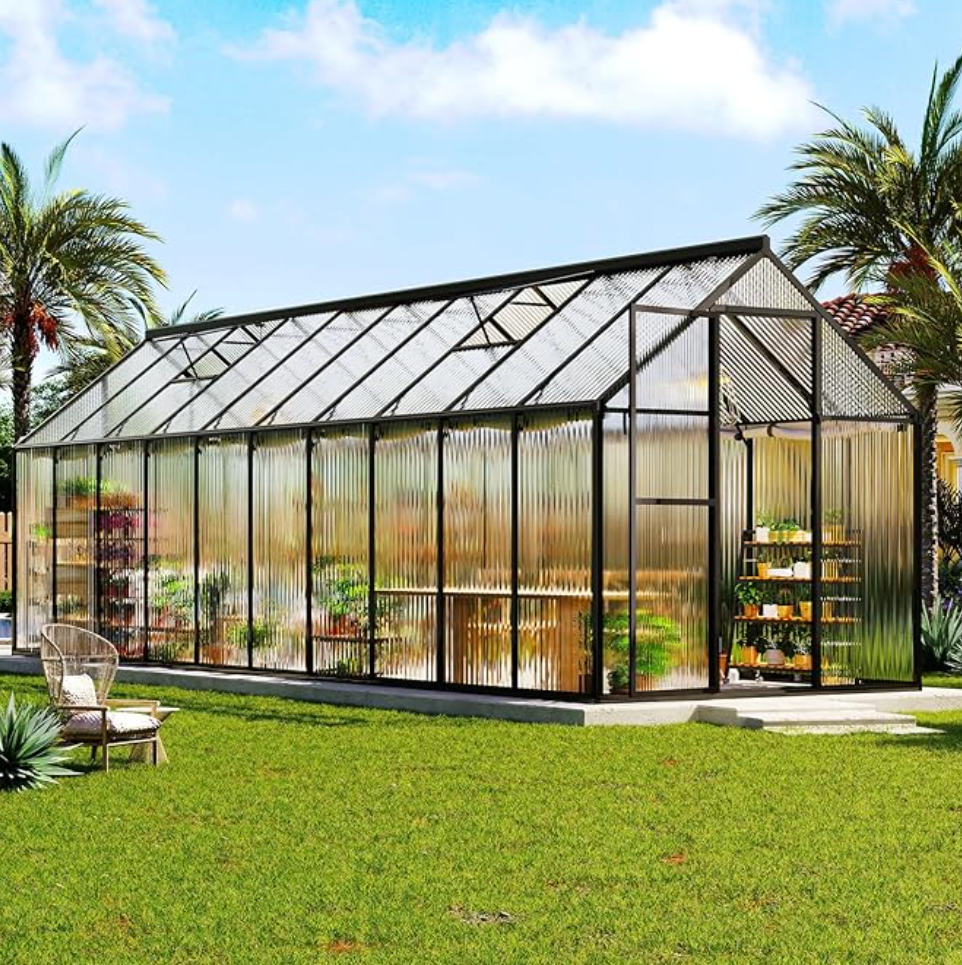
This AMERLIFE polycarbonate greenhouse is designed for growers who want something more durable than basic plastic setups without going fully commercial. It uses twin-wall polycarbonate panels, which help with insulation while still allowing enough light for healthy plant growth.
5. Bootstrap Farmer
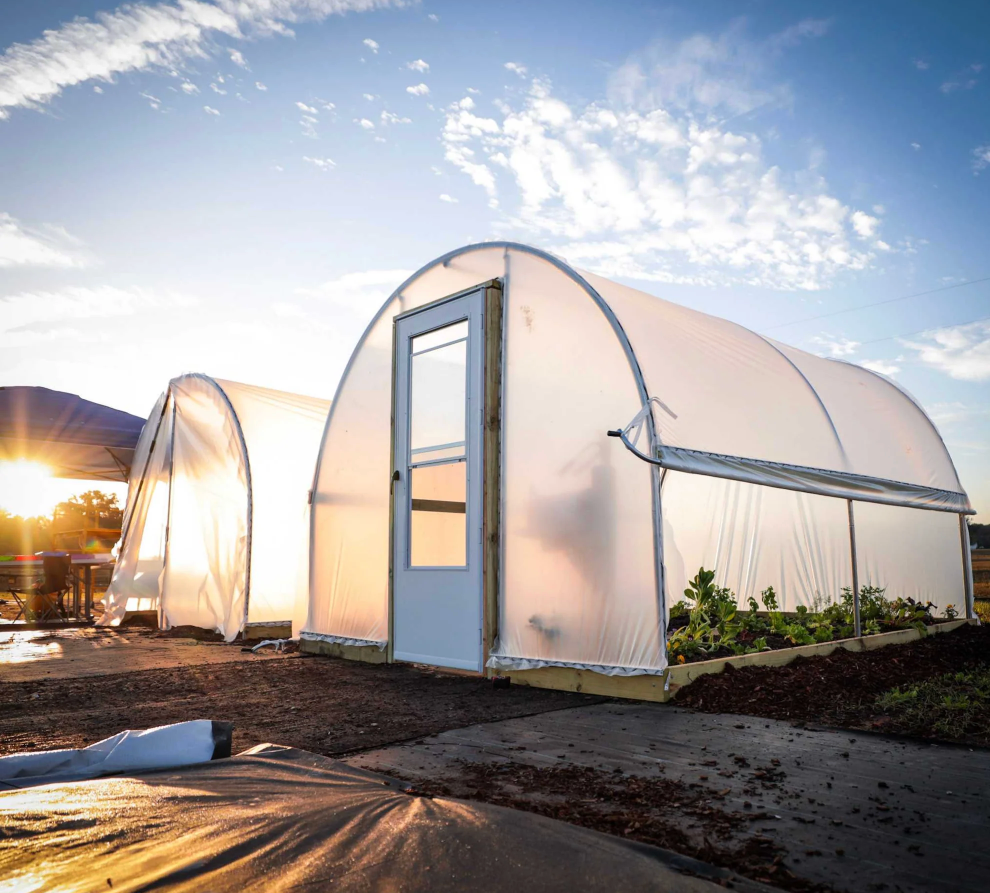
This 10×12 hobby greenhouse kit from Bootstrap Farmer offers a practical entry point for growers who want something more structured than temporary setups. It uses galvanized steel tubing, which provides a sturdier frame compared to lightweight beginner kits.
Best Greenhouse for Summer: What You Need to Know
Summer greenhouse management is where a lot of first-timers get tripped up. They set up their beautiful new greenhouse in spring, bask in the glory of early tomatoes, and then watch in horror as temperatures inside hit 110°F on a July afternoon and their plants are slowly cooking.
Here’s the reality: a greenhouse needs active cooling in summer just as much as it needs heat retention in winter.
For hot climates: A hoop house with roll-up sides is hands-down the best design for summer airflow. When the sides are rolled up, you essentially just have a shaded canopy, maximum ventilation, and minimal heat buildup. This is our favourite on Amazon iliving
Ventilation Systems
This is where most greenhouse failures happen.
Passive Ventilation
- Roof vents
- Automatic openers
Active Ventilation
- Exhaust fans
- Circulation fans
- Roll-up sides
Modern Option:
- Solar-powered ventilation systems
These reduce energy costs and improve efficiency
Conclusion
After everything we’ve covered, here’s the honest summary:
There’s no single “best” greenhouse kit. The best one is the one that matches your climate, your space, your budget, and your actual gardening goals, and that has the ventilation features to keep your plants alive through both winter and summer.
If you’re just starting, don’t be afraid to begin with a modest 6×8 hobby greenhouse and learn the rhythms of managing a controlled growing environment before going bigger. If you’re already a serious grower, invest in structure quality and ventilation from the start.
FAQ Greenhouse Kits
What is the best greenhouse kit for beginners?
A small, easy-to-assemble greenhouse with good ventilation is best for beginners.
Can I use a greenhouse year-round?
Yes, but you’ll need proper heating and ventilation.
What size should I choose?
Always go slightly bigger than your current needs.
Do greenhouse kits increase yield?
They can be especially useful when used to extend the growing season.